
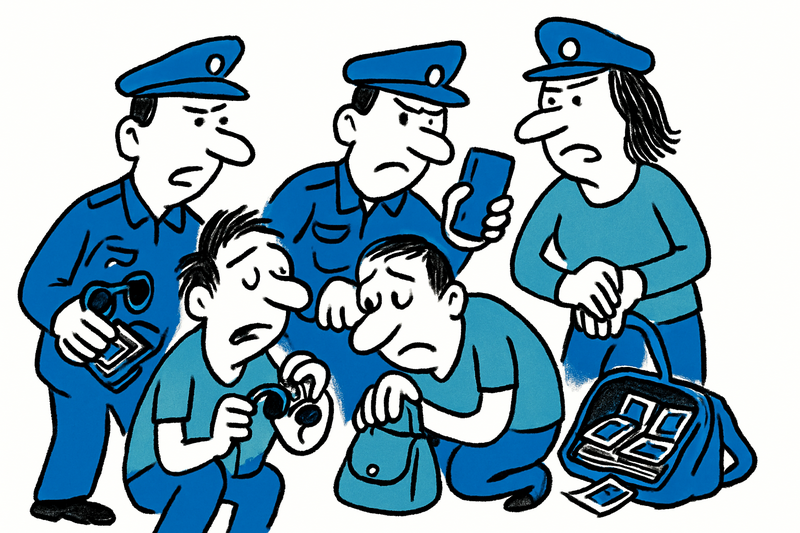
Beach theft in Cala d’Or: Four arrests — what can really protect tourists
In Cala d’Or the Guardia Civil has apprehended a quartet suspected of systematically robbing holidaymakers. The arrests raise questions: How organized are such gangs, and what can locals and visitors do to better protect themselves?
Four arrests in Cala d’Or – a misleading impression?
On the golden sand of Cala d’Or, as the waves lap quietly and seagulls circle above the sun umbrellas, the Guardia Civil moved in: three men and one woman were arrested, accused of targeting holidaymakers for theft, as reported in Robos en la playa en Cala d'Or: cuatro detenciones — qué puede proteger realmente a los turistas. The items recovered are as concrete as they are unpleasant: 17 smartphones wrapped in insulating material, several handbags, sunglasses, credit cards and just over €700 in cash. The suspects' rental car was seized in Campos along with parts of the loot.
How organized are these perpetrators really?
The scene looks less like a spontaneous pickpocketing and more like a small production line: phones wrapped in foil-like material, apparently deliberately to block tracking functions. This is not amateurish — it is calculated, as reflected in Organized watch robbers in the Balearics: Why Mallorca must also stay vigilant. The remaining question is: are these loosely travelling individuals or networked groups with fixed routes along the island's beaches and promenades?
From the investigators' point of view, the use of rental cars, the hiding methods and the division of roles (distract, grab, flee) point to an organized gang. That is little comfort to holidaymakers: where the sun shines and the ice cream melts in the hand, opportunities for criminals grow.
What is often missing from the public debate
The report of arrests is important, but it does not replace the deeper problems: beach infrastructure, multilingual information and reporting channels for holidaymakers. Many victims do not report small thefts immediately — out of shame, lack of time or because they believe the police can do nothing anyway; similar moments have ruined holidays, as described in Beach robbery in Illetes: When a moment ruins a holiday. This dark figure makes the situation harder to assess and hinders targeted prevention.
Also: the technical tricks (e.g. shielding phones) show that it is not only about distraction but about counter-strategies. For that, the classic advice “keep an eye on your belongings” is often no longer enough.
Concrete proposals: what helps in the short term
Multilingual information stations at larger beaches like Cala d’Or, with simple guidance — how to secure valuables, how to react in case of theft and where to file a report. Most tourists read English, German or Spanish while at their sunbed; a short QR code linking to an online report form would help, as urged in Alert on the East Coast: Pickpockets in Cala Millor and Sa Coma — What to Do Now.
Lockers or supervised deposit points at main beach access points: it costs less than many think and would give many sunbathers greater peace of mind. Some beach bars already work with locker providers — the concept should be expanded.
Faster reporting channels for stolen devices: hotlines, online forms and cooperation with mobile providers could make blocking and locating devices more efficient. The fact that the perpetrators wanted to prevent tracking by shielding phones underlines how important quick reactions are.
What is needed in the medium term
Cooperation between municipalities, the tourism industry and the police: if Campos, Santanyí or Felanitx cooperate better — for example in monitoring rental car firms or through targeted checks on typical escape routes — the rings can be disrupted more effectively, as seen in cases like Pickpockets Stopped in Port d’Andratx – What the Case Reveals About Crime Tourism. Foot patrols in the evenings on promenades and in beach car parks have an effect, not only symbolically.
Awareness campaigns that do more than preach “be careful” and instead teach concrete behaviors: how to carry bags, secure money storage, and quickly block cards. Such tips can be easily distributed in hotels, car rental offices and at the airport — ideally before departure.
What holidaymakers can do immediately
If you are in Mallorca: take only the essentials to the beach, use scarves tied around the waist or small chest pouches under your shirt. Photograph serial numbers of devices and report a theft immediately — even if it is tedious. Reporting creates data, data creates patterns, patterns create measures.
The arrests in Cala d’Or are an investigative success — but not a carte blanche for carelessness. The Mallorcan sun remains undoubtably beautiful, the risk of bag theft remains earthly real. A bit of caution, some organisation and more official services could make many holidays noticeably more pleasant.
Report incidents, speak with your hotel or host, and share information — so beaches like Cala d’Or remain picture-perfect and safe.
Frequently asked questions
How can tourists protect their belongings on Mallorca beaches?
What should I do if my phone is stolen in Mallorca?
Are beach thefts in Mallorca usually organized?
Is Cala d’Or safe for beachgoers in Mallorca?
Where can tourists report theft in Mallorca more easily?
What is the best way to carry money and cards at the beach in Mallorca?
Should I use lockers or storage points at Mallorca beaches?
What are the most useful theft-prevention tips for a Mallorca holiday?
Similar News
When Housing Becomes a Matter of Survival: Mallorca Between Rental Frenzy and Everyday Life
The case of 87-year-old Maricarmen showed that on Mallorca many people's lives are poised between affordable and uninhab...
Autumn in Mallorca: When Melancholy Gets a Window
Why autumn quietly tightens here — and how to make use of the mood: walks, culture, candles and the light from Palma to ...
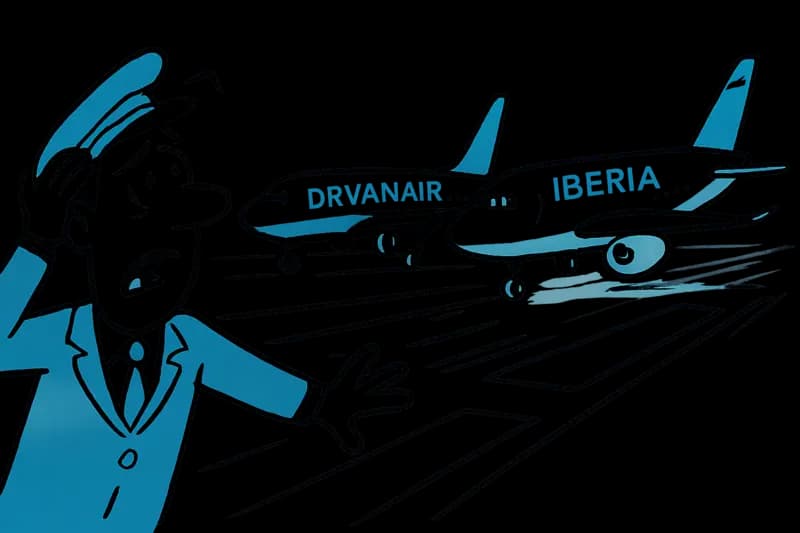
Near-miss on Lanzarote: Landing Ryanair Jet and Iberia Takeoff — what really went wrong
On Lanzarote there was a dangerous incident: A Ryanair flight (FR5910) from Dublin landed on runway 03 while an Iberia E...

Eurowings introduces new Premium Business seats on Mallorca routes
From December 1, selected Eurowings flights to Palma and other destinations will feature eight particularly generous sea...

Car on MA-13 near Inca in flames – a safety check for the island
A vehicle caught fire on the MA-13 towards Alcúdia on Tuesday afternoon. The driver was uninjured, the car was destroyed...
More to explore
Discover more interesting content

Can Cap de Bou

Townhouse Lleo 72
