
Storm 'Benjamín': Is Mallorca Prepared for the Gusts?
Yellow warning for storm 'Benjamín': gusts up to 100 km/h on the coast and in the Tramuntana. What helps now — and which weaknesses the island still has.
Storm 'Benjamín': Is Mallorca Prepared for the Gusts?
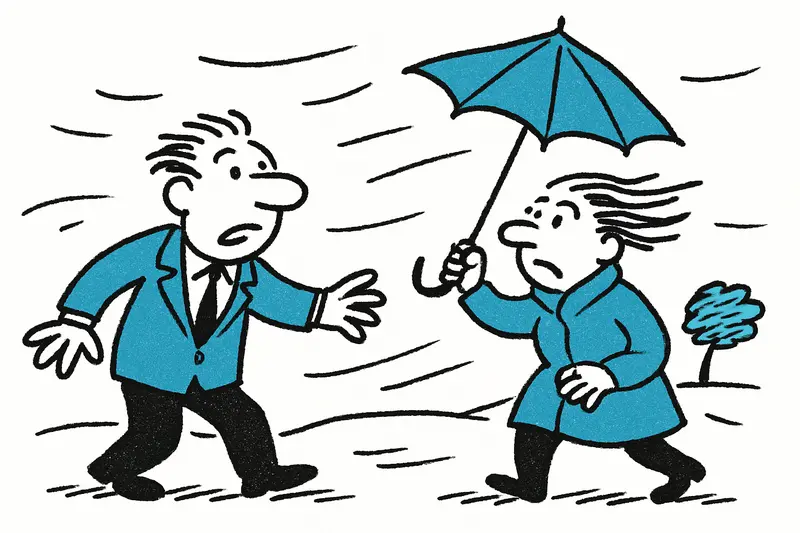
Thursday begins with a loud drumming: shutters bang, plastic bins roll across parking lots and the salty scent of the stirred-up sea drifts from the promenade. Aemet has declared yellow warnings for large parts of Mallorca — Yellow Warning: When the west wind sweeps across Mallorca — how prepared is the island? Benjamín brings stormy gusts, especially in the Serra de Tramuntana and along the southern and eastern coasts. Between about 7 a.m. and 5 p.m. gusts of 60–70 km/h are possible in lower areas, but on exposed ridges and coasts locally up to 100 km/h. At sea waves up to three meters are expected.
The key question: are our preparations enough?
That's the question occupying many Mallorcans today: Are harbours, roads and urban infrastructure well enough prepared for such gusts — or do we quickly end up in situations that could be avoided? Recent coverage such as Storm warning in Mallorca: Is the island prepared for wind and rain? highlights similar concerns. In the short term this means: watch furniture near promenades, secure boats, drive in the Tramuntana only with caution. In the medium term, however, Benjamín highlights weaknesses we should talk about.
What is often overlooked
When the first gusts arrive, attention does not only fall on roofs and boats. Things that quietly decay in everyday life become critical now: old pines in residential areas, poorly mounted solar panels on holiday homes, dilapidated advertising signs on busy streets. Many holiday accommodations are less maintained in the winter months — loose flower pots, unsecured awnings and unstable outdoor fixtures are typical risk factors.
And then there's communication: Tourists who have just arrived do not necessarily understand local warnings. A single Twitter update is not enough; information must be multilingual and visible at harbours, parking lots and in holiday homes.
Concrete tips for today — practical and local
I was on the promenade, there little flags were fluttering like small sails. Those who are out today should observe the following points:
- Securing: Bring in or fasten all loose items on terraces and balconies. Check roof tiles. Park rental cars in bays, not under old trees.
- Sea and harbours: Small boats stay in the harbour. Talk to harbour operators about checking mooring lines. Avoid walks on exposed coastal edges — waves spray far over the promenade.
- Mountains and roads: Drive calmly in the Tramuntana, keep distance from cliff edges, watch for oncoming traffic in narrow sections. Postpone hikes: gusts on ridges can literally knock people over.
- Neighbourhood: Help older neighbours secure things, call briefly to friends who live alone. A small hand can help a lot.
What authorities should do — quick measures and long-term steps
In the short term clear, visible notices help: temporary closures of the most at-risk promenade sections, increased patrols in harbours and popular coastal spots, and multilingual notices for tourists. Quickly putting up warning banners in car parks and harbours also costs little but acts preventively.
In the long term structural measures are needed: regular tree trimming along busy roads, mandatory securing of solar panels on rental properties, sturdy fixings for beach kiosks and improved mooring rules in small harbours. Coordinated crisis communication is also important — not only via app, but loudspeakers, notices and cooperation with rental companies and hotels.
Looking ahead to the weekend: rain and temperature drop
Benjamín is only the opening act; First storm warning, then sun: How well is Mallorca prepared for this changeable weather? From Sunday Aemet forecasts a change in the weather: more cloud cover, widespread rain, sometimes heavy showers and isolated thunderstorms. Temperatures will fall, the wind will turn north to northeast — perfect conditions for wet and cool days. If you have renovation work or garden plans: postpone them.
Conclusion: Today means caution, neighbourly help and keeping an eye out — especially in harbour towns like Palma and small places like Port de Sóller or Cala d'Or, where wind and waves can quickly cause problems. A hot tea, a closed window and a checking look at balcony furniture are often enough to get through Benjamín well. And for the future: a few preventative measures save trouble — and maybe money too.
Frequently asked questions
How strong will the wind be in Mallorca during Storm Benjamín?
Is it safe to go to the beach in Mallorca when there are storm warnings?
What should I do with balcony furniture and loose items in Mallorca before strong winds?
Should I drive in the Serra de Tramuntana during stormy weather in Mallorca?
What is the weather in Mallorca expected to do after the wind warning?
Is Port de Sóller affected by strong wind and rough sea in Mallorca?
Is Cala d'Or usually exposed during windy weather in Mallorca?
What should tourists in Mallorca do when storm warnings are issued?
Similar News
More water than last year: Mallorca's reservoirs breathe easier
September rain refilled the Tramuntana's reserves: overall fill around 35 percent, Cúber at 40.42 percent, Gorg Blau at ...
Three Luxury Hotels in Banyalbufar: Lots of Money, Many Questions
A Danish investor plans three exclusive accommodations in Banyalbufar — including the historic Son Valentí. The announce...
2.1 tonnes of cocaine on sailing yacht off Spain's coast – a reality check for the coastguard
A 14-metre yacht was seized with 2.1 tonnes of cocaine. Who monitors the ports, how does the international hunt succeed ...

Heat Bonus in Mallorca: 100 Euros Extra for Outdoor Staff at MarSenses
MarSenses pays employees who worked outdoors in August an extra €100 as recognition. Lighter uniforms, reduced hours for...
Renovating in Mallorca: What You Really Can Do Without Neighbour Consent
Many think they can do whatever they want in their apartment. That's partly true — but only as long as structural elemen...
More to explore
Discover more interesting content

Can Cap de Bou

Townhouse Lleo 72
