
Boutique Hotel Ranking: Two Mallorcan Hotels in Spain's Top 25
Boutique Hotel Ranking: Two Mallorcan Hotels in Spain's Top 25
A new ranking based on guest reviews places two hotels from Mallorca among Spain's 25 best properties with fewer than 50 rooms. What this means for the island and its visitors.
Boutique Hotel Ranking: Two Mallorcan Hotels in Spain's Top 25
What the rankings mean for Mallorca
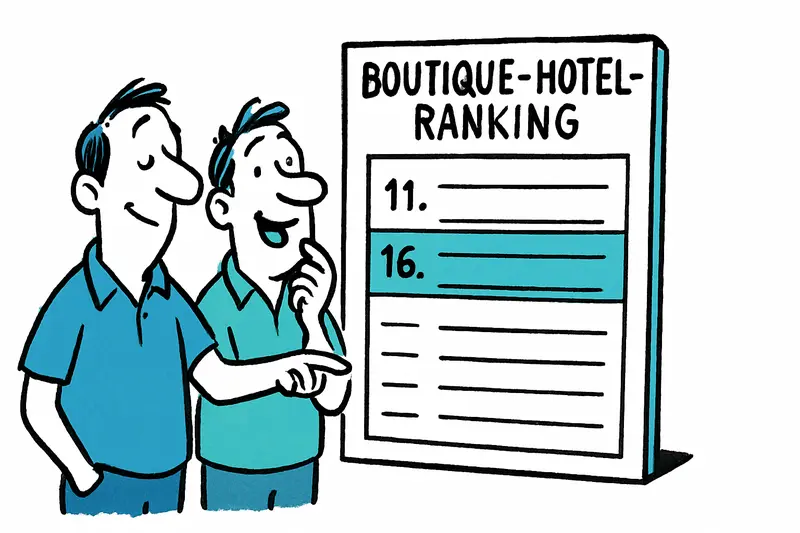
In a list that evaluated guest reviews from September 2025 to August 2026, two accommodations from our island rank high: Can Ferrereta in Santanyí is in 11th place, and Son Brull Hotel & Spa Relais & Châteaux in Pollença is in 16th. The analysis, compiled by Jaippy based on reviews on Booking.com, also required that a property had at least 50 new reviews in the stated period and a minimum history of 18 months to be considered.
In short: it's not about loud marketing claims, but about the impressions guests actually leave. Such rankings may look like columns of numbers, but they say something about how small properties treat their guests — and thus how Mallorca is perceived internationally.
Can Ferrereta is rooted in Santanyí, a place that smells of coffee and sea breeze in the morning when the market sets up its stalls on the plaza. That a hotel from here ranks so highly pleases the small hoteliers in the southeast: it draws visitors to towns away from the large hotel strips and thus distributes tourist demand, as seen in More country hotels? Son Macià Negre and Son Sales receive tourism status.
Son Brull, a converted 18th-century monastery near Pollença, combines historic architecture with a spa and a restaurant and thus represents that mix of calm and comfort many guests seek.
At the top of the national list is, incidentally, a property in Seville with an average rating of 9.87 — a sign that guests have particularly high expectations of small, refined properties and reward them with top marks. For Mallorca this is good news: the island long ago came to offer more than just beaches, and small properties play a key role in that, even as Wealth List 2025: How Hoteliers Concentrate Power in the Balearic Islands shows the influence of established groups.
What does this mean concretely for locals and local providers? First: appreciation for regional supply chains. Many of these boutique hotels collaborate with local producers, from olive oil and cheese to fruit and fish, a trend reflected in Mallorca remains a magnet for gourmets. Second: an extended season. Guests who deliberately choose smaller properties often stay longer or visit outside the high season — this eases pressure in summer and brings income in quieter months. Third: jobs with character. Small businesses often employ local staff who contribute service and knowledge about the island.
An everyday example: on an autumn morning in Pollença you hear church bells, craftsmen talk in the shade of plane trees, and there's space at the hotel pool for guests seeking peace instead of entertainment. Such scenes are part of the product that visitors rate — and that is increasingly appreciated.
Tips for readers: if you want to experience these kinds of properties, look more closely. Reviews provide orientation, but not everything: pay attention to the number and timing of reviews (the analysis here considered only one year), read notes on service, cuisine and location, and check whether the property offers sustainable options. Booking directly often supports local teams better than using large platforms.
For Mallorca it is a small victory in refinement: two island properties among Spain's 25 best boutique hotels show that quality and origin matter. Whether you are a tourist, restaurateur or neighbor — it's worth keeping an eye on this development and visiting places where hospitality remains personal.
Short conclusion: The ranking reflects that Mallorca's small hotels score with personality. Quiet lanes, local products and attentive service — these attract guests, extend the season across more months and strengthen local economic cycles. And incidentally: they make the island a bit more varied.
Frequently asked questions
When is Mallorca's weather most pleasant for outdoor activities?
What should I pack for a trip to Mallorca?
Can I swim in Mallorca year-round or are there seasonal limitations?
How easy is it to get around Mallorca without a car?
What family-friendly activities are available in Mallorca?
Which Mallorca dishes should I try?
What are some iconic places to visit in Mallorca?
What practical safety tips should I know when visiting Mallorca?
Similar News
Who will be allowed to serve at the Formentor Lighthouse going forward? A reality check
Three applicants — the revived Bar Cristal from Palma, the operators of S'Embat and the current concessionaire — are com...

Mosquito invasion in Mallorca: How serious is the risk — and what needs to be done now
After rain and a milder autumn, mosquitoes are multiplying in Mallorca. Which diseases are a threat, how are they monito...
Mozart Balls Return: Sweet Gesture by Austrian Airlines on Mallorca Flights
A small chocolate ball is bringing smiles again: Austrian Airlines is once more handing out Mozart balls to passengers a...

Malin Brown Says Yes: Ballermann Artist Married in Secret
The 35-year-old singer, known from the Ballermann stages, married her boyfriend Tim after nine months of engagement. Cel...
Waterspout off Cala Mesquida: How safe are beachgoers really?
On Monday a waterspout passed in front of Cala Mesquida and surprised beach visitors. A reality check: How well is the i...
More to explore
Discover more interesting content

Can Cap de Bou

Townhouse Lleo 72
