
Between Balconies and Empty Rooms: A Break-in in Playa de Palma and the Security Gaps
Between Balconies and Empty Rooms: A Break-in in Playa de Palma and the Security Gaps
On December 19 a 24-year-old was arrested in Playa de Palma after entering a hotel room via balconies. What does the incident reveal about hotel security and vacancy during the low season?
Between Balconies and Empty Rooms: A Break-in in Playa de Palma and the Security Gaps
One incident, many questions
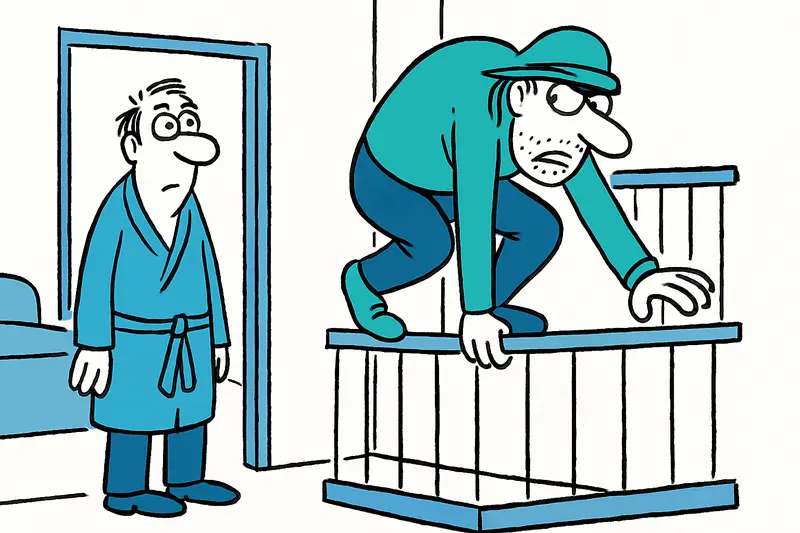
On December 19 the local police arrested a 24-year-old man of Romanian nationality after he had gained access to a hotel on Playa de Palma by apparently jumping between first-floor balconies. Hotel staff had seen the stranger; later the police found him in a room that investigators say should actually have been vacant. Another room on the same floor had been ransacked. On suspicion of attempted burglary, the man was arrested and handed over to the national police.
Key question: How could someone move so easily between balconies and enter a vacant room without existing security measures responding more effectively?
At first glance it sounds like a scene from a bad TV crime show: a reckless leap from balcony to balcony, an alleged guest who cannot or will not identify himself, and a hotel that is partially closed or thinly staffed in the low season. The facts are clear: someone apparently searched for valuables, a room was found broken into, an alarm was triggered, and a witness called the police. But the incident says more about the routines in many hotels in the Playa area; similar patterns have appeared in other reports, for example Break-in at the Ballermann: Why Flamenc Street no longer feels as safe at night.
On the promenade, when the wind blows from the sea and the beach bars are closed, certain things stand out: empty sunbeds, locked staff entrances, and in the evenings only a few lights in the windows. In such situations security often depends on very few people — the night porter, the shift leader, an external company that monitors cameras. When a shift is thinly staffed, blind spots remain.
The police chronology paints a picture familiar to many security managers: an earlier alarm in the kitchen, then a flight, later a renewed attempt, this time from the outside of the building. That matches a tactic aimed at opportunity. It's uncomfortable to say, but hotels with seasonal operations are particularly vulnerable in the low season — not because operators are negligent, but because staff, technology and processes are designed for the high season.
What's missing from public debate so far is the perspective of smaller hotels, apartments and private guesthouses that have hardly any resources for permanent security firms outside the main season. There is a lack of clear discussion about minimum standards rather than mere recommendations, about data sharing between hoteliers and police, and about rapid response plans when several alarms come in within a short time; incidents such as Nighttime escalation at Playa de Palma: When a mobile phone leads to a home takeover illustrate how quickly situations can escalate.
Also rarely discussed is the simple architecture of many buildings with continuous balconies and low parapets. Such designs were practical in the sunshine of the 1960s and 1970s, but in winter they are an invitation for someone who does not want to use the main entrance.
Concrete measures that could have an immediate effect on site:
1. Visible patrols: Regular checks of exterior facades by hotel staff or security services, especially at night when many rooms are empty.
2. Adjust shift patterns: In the low season, organize shifts so that two employees can respond to an alarm quickly, not just one.
3. Architectural tweaks: Higher parapets, lockable balcony latches and anti-climb fittings at problematic spots.
4. Smartly networked technology: Motion detectors on exterior walkways, camera angles that cover balconies, and a central alarm that reaches staff on all floors.
5. Strengthen cooperation: Hotels on the same street should share alarm information and observations; the Guardia Civil and local police can handle these clusters faster than isolated reports.
6. Staff training: Run through simple scenarios — how to politely but firmly identify a stranger, and when to call the police. Not everyone has to become a security guard, but clear rules help.
A look at politics: There are regulations for fire protection and hygiene, but fewer binding standards for exterior security in турист areas. A short, mandatory municipal guideline could set minimum measures that are cost-effective to implement.
For residents and guests: vigilance matters. Report unusual movements, note times and descriptions, but be cautious when confronting someone. A call to 092 or directly to the responsible forces such as the Policía Nacional will trigger professional intervention.
Conclusion: The break-in at Ballermann is not a one-off case of "bad luck." It reveals weaknesses that can be reduced through staffing policies, simple structural adjustments and better networking. No expensive miracle solutions are needed, but practical measures: honest shift plans, a few fixes to railings and a functioning cooperation between hoteliers and police. That way the balcony-jump acrobatics scenario will hopefully remain a curious footnote rather than a recurring low-season topic.
Frequently asked questions
Are hotels in Playa de Palma more vulnerable to break-ins in the low season?
What security problems do balconies create for hotels in Mallorca?
What should hotel staff do if they see a stranger in a vacant room in Mallorca?
How can hotels in Mallorca improve break-in prevention without major renovations?
Is Playa de Palma safe for hotel guests at night?
Who should tourists call in Mallorca if they notice suspicious activity at a hotel?
Why do older Mallorca hotels sometimes have weaker exterior security?
What can hotel managers in Mallorca do to improve cooperation with police?
Similar News
Palma, Palma de Mallorca, Palma‑Mallorca: What is it really about?
The debate over the city's name is more than grammar: it concerns identity, law and branding policy. A sober reality che...

Warning to Bathers: Nipping Fish in Cala Major and Other Coves — a Reality Check
In Cala Major and several beaches around Mallorca, bathers report painful “nips”. Who are the animals, why are they gett...

Rental Car Theft in El Arenal: What This Incident Reveals About Our Gaps
A teenager steals a running rental car in El Arenal, flees on foot, climbs over walls and is caught by the Guardia Civil...

Red Rope in Palma's Library: What Helps Against Selfie Tourism — and What's Missing
Palma's city library cordoned off an area with a red rope to keep selfie tourism away from reading and working activitie...

Fort San Carlos: Museum, Harbor Dispute — and a Conflict That Demands Answers
The military museum at Fort San Carlos sits right on Palma's harbor, with unexpectedly quiet rooms filled with cannons a...
More to explore
Discover more interesting content

Can Cap de Bou

Townhouse Lleo 72
