
Mysterious Bird Theft in Son Ferriol: More Than 80 Pet Birds Missing
Over 80 pet birds were stolen from a finca in Son Ferriol in a single night. Was it a planned heist — or is there more behind it? A look at the clues, possible motives and how the neighborhood can respond.
More than 80 birds gone without a trace: What does this mean for Son Ferriol?
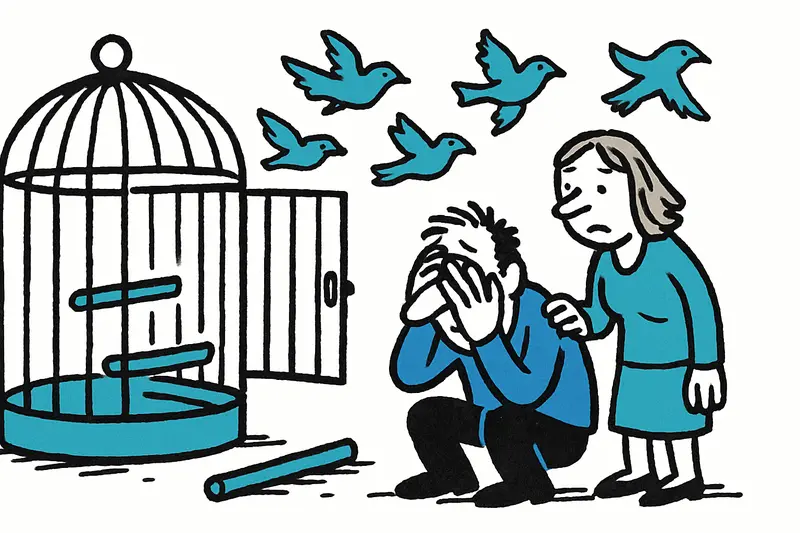
On the quiet night between Sunday and Monday, when the air smelled of orange blossoms and the faint scent of fuel from the airport, a man from Son Ferriol noticed an unusual loss: the heavy door to the large bird aviary stood open, perches were lying on the ground and, from one moment to the next, more than 80 pet birds were missing, as covered in a news report about the Son Ferriol bird theft. For Martín, who has bred his birds for over ten years, it was not merely material damage but an emotional blow. 'To me they are like children,' he says. A feeling shared by many in the neighborhood.
The key question: How safe are pets in suburban fincas?
The central question raised by the case is not only: Who took the birds? But: How can something like this happen without alarm bells ringing? The local police, noting the targeted selection of 'the best birds' and an estimated value in the four-figure range, suspect a planned operation, similar to cases covered in a recent report on an arrest linked to nine burglaries in Palma. That points to market knowledge and determination — not a spontaneous opportunistic act. Witnesses report footsteps, the hum of a motor and flashed headlights around half past one at night; small details that, taken together, could form a picture.
An aspect often overlooked in public debate is the vulnerability of small animal keepers. Not every hobby breeder has alarm systems, cameras or secure storage. Many work with simple means: handcrafted aviaries, wooden barriers, a padlock. On a mild night such protections can be quickly overcome. The location of many fincas on the edge of Palma — close to paths, garages and unclear driveways — also makes them vulnerable.
Searching for traces across chats and classifieds
The search for the birds is running on several fronts: on-site forensic work, witness statements and the now common community investigations via social media and WhatsApp groups. The owners posted photos, alerted the neighborhood, and Carmen, a neighbor, called the police in the morning when she noticed the open cage door. Small details, she says, add up: a missing license plate, a conspicuous delivery van, offers in online marketplaces.
It is likely that the thieves will try to sell the animals quickly — via local classified ads, at weekly markets or to middlemen. The sad reality: there is demand for exotic and well-bred pet birds. This demand creates a grey market where stolen animals can disappear. Community sleuthing has helped in similar situations, for example in a series of nighttime break-ins in Palma that ended with an arrest. That is why residents should be particularly attentive to unusual listings and offers in the coming days.
The less considered dimension: organized petty theft
The targeted selection of the 'best birds' suggests professionals may have been at work. Often organized networks stand behind such acts, sorting animals by quality and transporting them to other regions or even abroad. That would explain how more than 80 animals could be affected while about 60 remained behind: the perpetrators were selective, not indiscriminate.
Another, little-noticed danger: inside knowledge. Whoever knows which birds are desirable, how the aviary is built or when the owner is away has a clear advantage. This could mean information from acquaintances, neighbors or public social media posts was used.
Concrete steps that can help
What to do now can be divided into short-term and long-term measures. Short term, the owners ask: check photos, report suspicious offers, keep an eye on classifieds. Any tip — a license plate, a delivery van, a name — can be decisive. The police are analyzing traces, witness statements and reports; the community remains the most important reinforcement.
Long term, stronger prevention measures help: better locks on aviaries, motion sensors with lights (or solar LEDs for remote corners), simple surveillance cameras with app access and clear documentation of the animals (good photos, ring numbers, vaccination and breeding papers). Marking with licensed leg bands or registration with veterinarians also increases the chance of recovery. Finally, an exchange between breeder associations, veterinarians and the local police would be sensible — a small network can quickly spot suspicious patterns.
What the neighborhood can do now
The community is already responding: WhatsApp groups are buzzing, cafés and the bakery in Son Ferriol are small but loud in spreading information. Many offer help, some have already checked garages and outbuildings. That is what matters: vigilance. If in the next days someone sees an unusual ad with the name 'Muyi' or striking color patterns, they should report it. Hope remains: a small tip is often enough to close a gap.
And while Martín and Leisa stare at the empty perches with a cup of strong coffee, the question remains: Are our animals in Mallorca's quiet suburbs really safe — or do we need to think about prevention before it's too late?
Contact and tips: Reports please to the local police in Son Ferriol or to the Spanish National Police website or to the listed social media channels of the owners. Every tip, however small it may seem, can help.
Frequently asked questions
How safe are pets in suburban fincas in Mallorca?
What should I do if a pet bird is stolen in Mallorca?
Can stolen birds in Mallorca be sold through online classifieds?
Why are bird thefts in Mallorca often seen as planned crimes?
What makes Son Ferriol in Mallorca vulnerable to burglary?
How can Mallorca bird owners protect their aviaries better?
Should Mallorca residents report suspicious bird ads online?
What can neighbors in Son Ferriol do after a bird theft?
Similar News

More water than last year: Mallorca's reservoirs breathe easier
September rain refilled the Tramuntana's reserves: overall fill around 35 percent, Cúber at 40.42 percent, Gorg Blau at ...

Three Luxury Hotels in Banyalbufar: Lots of Money, Many Questions
A Danish investor plans three exclusive accommodations in Banyalbufar — including the historic Son Valentí. The announce...
2.1 tonnes of cocaine on sailing yacht off Spain's coast – a reality check for the coastguard
A 14-metre yacht was seized with 2.1 tonnes of cocaine. Who monitors the ports, how does the international hunt succeed ...

Heat Bonus in Mallorca: 100 Euros Extra for Outdoor Staff at MarSenses
MarSenses pays employees who worked outdoors in August an extra €100 as recognition. Lighter uniforms, reduced hours for...

Renovating in Mallorca: What You Really Can Do Without Neighbour Consent
Many think they can do whatever they want in their apartment. That's partly true — but only as long as structural elemen...
More to explore
Discover more interesting content

Can Cap de Bou

Townhouse Lleo 72
