

How Burglars Test Fincas in Mallorca — and What You Can Do Right Away
The police warn: simple markers like silicone threads or small pieces of paper reveal to burglars whether a front door has been opened. A reality check on what this means for finca residents and concrete measures you can take immediately.
How Burglars Test Fincas in Mallorca — and What You Can Do Right Away
Key question: How easily can presence or absence be detected at rural houses — and how can we really protect ourselves?
The Spanish National Police currently draw attention to a remarkably simple method that offenders use to check whether a finca or house is empty: small, hardly visible markers on doors and entrances, and similar concerns have followed recent operations such as Raid in Palma: Specialized keys, disguises — and many unanswered questions. Silicone threads, tiny pieces of paper or plastic are placed so that an opened door wing removes or destroys the marker. If everything remains intact, the perpetrators later see: nobody has used the door — presumably a good opportunity.
It sounds trivial, but it is effective. Fincas in Mallorca are often isolated, mailboxes fill up, and owners are away for days or weeks. This method targets exactly that: it costs almost nothing, leaves no suspicious traces and allows conclusions about absence without anyone having to enter the property.
Critical analysis: the tactic is simple but dangerous because it exploits gaps in everyday behavior. Many people neglect regularly collecting mail, informing neighbors or checking small observation signs at the front door. At the same time, technical security solutions are not yet widely used: cameras, sensors or smart lighting controls are too expensive or complicated for some owners.
What is often missing in public debate is a discussion of how municipalities can respond to the problem, as shown by Raid in Palma and on the Mainland: How Deep Does the Network Reach into Our Neighborhoods?. It's not just about individual measures by each homeowner, but also about visible routine checks, better street lighting in peripheral areas, coordinated neighborhood networks and information. Warnings from authorities alone are not enough; tangible support is needed for older residents, temporary mail collection points or simple, low-cost security kits provided by the town hall.
An everyday scene: in the morning on the paseo next to the Mercado de Santa Catalina an elderly woman holds the newspaper while her neighbor, returning from work, checks the front door of the finca opposite twice. In the countryside, on the Camí de sa Vinyeta, you often hear shutters clattering in the evening and see a note by the front garden: "Please leave mail with the neighbor." Such small arrangements prevent a scrap of paper on the door from becoming an invitation sign for burglars.
Concrete measures you can implement immediately:
1. Establish a checking routine: Always check the front door before going in or out. Remove small markers yourself. Have the mailbox emptied daily or suspend deliveries.
2. Activate the neighborhood: A short WhatsApp or Telegram group chat helps: who is home, who is away? Ask a trusted person to do regular visual checks.
3. Visible deterrents: A simple outdoor light with a motion sensor, clear signs indicating an alarm or cameras — even the suggestion can deter. A camera may not record every action, but the sign alone raises the threshold for offenders.
4. Mechanical protections: Shutters, additional locks or a chain reduce the risk of quick entry. Check old doors and frames and reinforce them if necessary.
5. Smart but simple technology: Timers for lamps, inexpensive door sensors that send an app notification when a door is opened. It doesn't have to be the most expensive system; often cheap sensors and a signal to a neighbor are enough.
6. Mail and delivery arrangements: Register your absence with the post office, pause deliveries or send them to a relative's address. Piles of packages in front of the door loudly signal absence.
7. Report suspicious activity: If you see people repeatedly fiddling at doors, do not hesitate to report it to the Policía Nacional (National Police) or the local Policía Local. Describe car registration numbers, times and behaviors.
There are, of course, deeper problems: lack of security force presence in sparsely populated areas, limited resources for elderly or single residents and a gap between authority warnings and practical support; local incidents such as the Break-in in Deia: €50,000 in Jewelry — What Does It Say About Safety in Mallorca? underline those concerns. Municipal solutions could include: free security consultations, sponsorships for lonely properties or increased attention by municipal workers on remote roads.
Conclusion: the method using silicone threads or pieces of paper is not a Hollywood plot but a real, low-threshold tactic for burglars. The good news: many countermeasures are unremarkable and can be implemented immediately. A neighbor who checks a property twice a week, a timer that simulates evening lights, or a simple door sensor costs comparatively little but significantly reduces a house's attractiveness as a target. In Mallorca, between olive trees and cobblestones, it becomes clear once again: together and with common sense, much can be achieved. Be vigilant, talk to your street — and take door checks seriously before the next little thread causes you trouble.
Frequently asked questions
What simple method do burglars use to test if a finca in Mallorca is empty?
What immediate steps can I take to protect a rural Mallorca finca from such tactics?
How can neighbors in Mallorca help deter theft when someone is away?
Are low-cost security options like motion sensors and outdoor lights enough to deter burglars in Mallorca?
What role does mail handling play in Mallorca home security?
What role can local Mallorca authorities play in preventing burglaries on the periphery?
What should I do if I notice someone fiddling with doors around Mallorca?
What everyday practices help reduce Mallorca fincas being targeted by thieves?
Similar News

Dwarf palms, hands, ideas: Llata in Cala Rajada lives on
A workshop in Cala Rajada keeps the Llata weaving tradition alive: braided baskets, modern bags and courses bring plants...
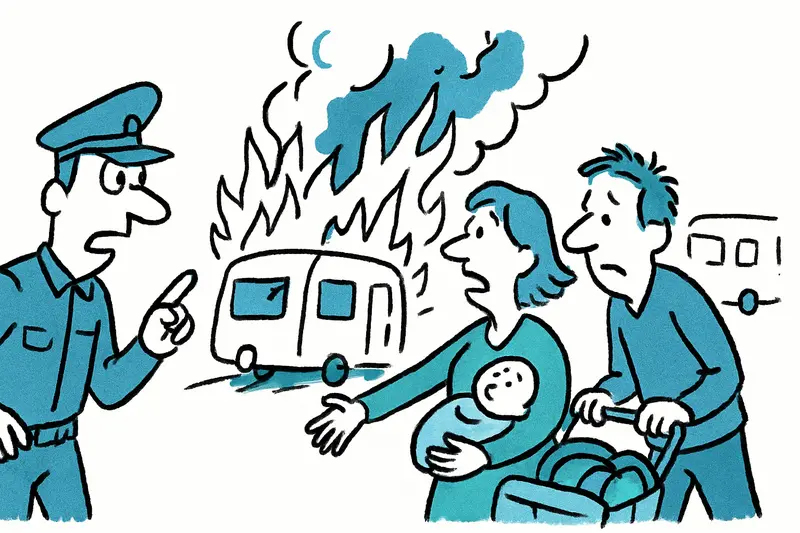
Fire at the Son Hugo Parking Lot: Was it Arson — and Who Protects the Caravan Community?
A fire at the Son Hugo sports complex parking lot destroyed several caravans and traumatized residents. The National Pol...
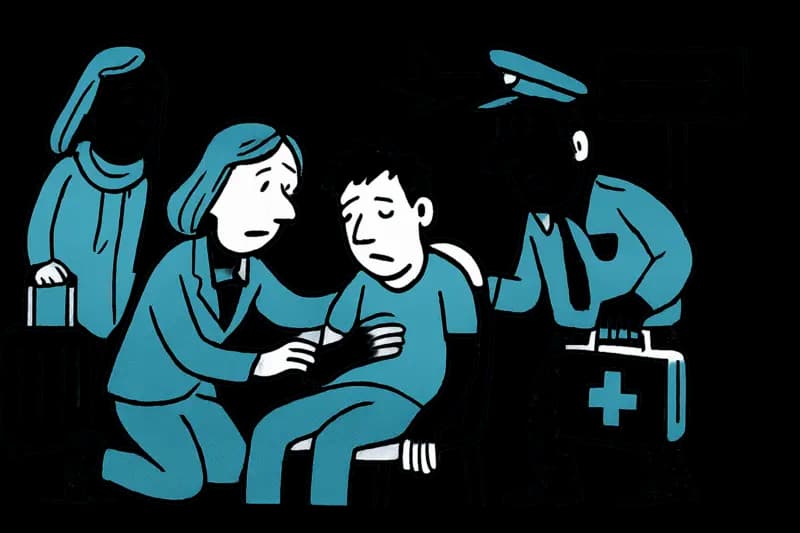
When Help Takes Too Long: Fainting at the Airport and Gaps in the Emergency Network
A 19-year-old airport employee lost consciousness. An ambulance did not arrive until about 40 minutes later. Why does he...

Toilet Emergency over the Atlantic: What the Madrid–Dallas Incident Reveals About Flight Safety and Passenger Thinking
Six of eight toilets failed on a Madrid–Dallas flight; the crew made a precautionary landing in New York. A harrowing ex...
When Inca Gets Stylish: How Much Space Remains for Locals?
Scaffolding suddenly shapes the streets of Inca. Who benefits from the renovations in the historic centre — and who gets...
More to explore
Discover more interesting content

Can Cap de Bou

Townhouse Lleo 72
