
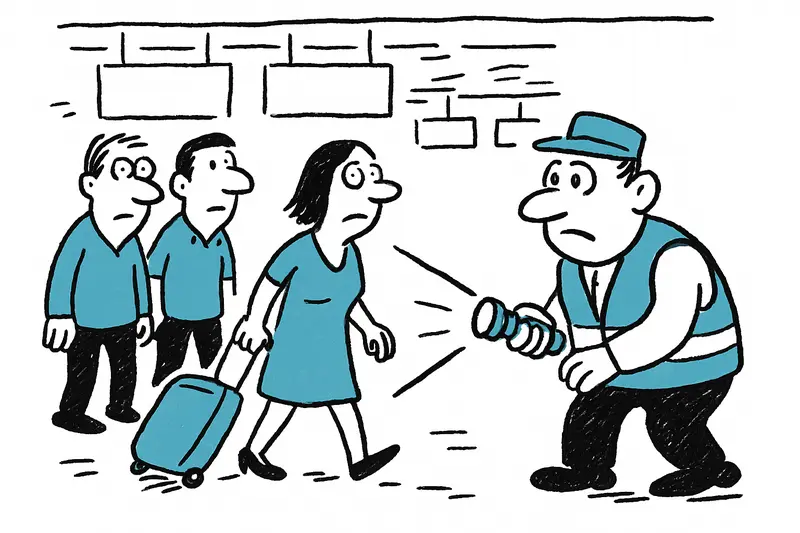
Cable fire in Stuttgart: Why Mallorca return flights are suddenly shaky
A single cable fire in Stuttgart didn’t just make lights flicker — it had tangible effects in Mallorca: delayed arrivals, missed transfers and questions about the resilience of our flight chains.
Cable fire in Stuttgart: Why Mallorca return flights are suddenly shaky
A spark, an alarm, and within minutes a terminal was at a standstill. The cable fire in an operations building in Stuttgart earlier this week seemed like a small technical incident — with major consequences, as reported by Incendio de cables en Stuttgart: por qué los vuelos de regreso a Mallorca de repente se tambalean and noted on the Stuttgart Airport official site. In Mallorca it wasn’t just tired travelers at the baggage belts of Son Sant Joan (Palma de Mallorca) AENA page, but hotel reception desks, transfer drivers and small rental hosts who felt the chain reaction the next morning.
The central question: How vulnerable is our flight network?
Anyone standing in the departures hall that evening could see it: emergency lights, conversations in several languages, rolling suitcases in the half-muted hall. Events like this cause a stir not only because of the technology, but because of how information and backup processes function. Are apps and automatic SMS messages enough, or are real contact persons on site needed? On an island like Mallorca, where every delay triggers transfer chains, the answer is crucial; operators often consult IATA contingency planning guidance when defining redundancy and notification protocols.
Why Mallorca is particularly affected
Airlines plan with tight turnaround times. That saves money, but only works with punctual hubs. If a node like Stuttgart goes down, aircraft are diverted to Munich, Nuremberg or Frankfurt. That sounds like a few hours' delay — in practice it means late-arriving families in Palma city, missed ferries in Alcúdia or long queues at the taxi ranks on Playa de Palma. Transfer buses that were supposed to head to Cala d'Or or Port de Sóller have to be reallocated. The Arenal fills up at night with waiting taxis; drivers stand smoking on the street discussing, while the lights of the hotels flicker behind them.
Concrete consequences: delayed rental car pick-ups, missed excursions, additional nights, stressed holidaymakers. For small businesses in Mallorca these are real worries: transfer companies often lack a large reserve fleet, hoteliers have no flexible room policies for mass rebookings.
What is overlooked: system questions and responsibilities
On social media people quickly look for someone to blame. But the deeper questions are more complicated: How up to date are the cable and IT infrastructures? Are there redundant power and data lines? Who pays for outages and alternative solutions — the airport, the airline, the building operator or the state? Passenger rights and compensation frameworks are governed by EU Regulation 261/2004 on passenger rights, but in Mallorca, where many companies operate at their limits during the summer months, unclear responsibilities quickly lead to financial gaps.
Practical tips for travelers
If you are flying soon or are currently stranded: - Check flight status not only via the app, but also call briefly. - Pack medications, passports and chargers in your carry-on. - Inform transfer providers and hosts immediately. - Allow more buffer time for return flights — an extra hour can make the difference. - Think of small helpers: power bank, thermos, headlamp. On a night in Palma you then often hear only the sea and the distant rumble of buses — a hot coffee can work wonders.
Concrete improvement approaches — what should happen now
Technically: regular safety inspections, replacement of outdated cables and a clear emergency plan with redundant power and data paths. Organizationally: joint emergency drills by airports, airlines, transfer companies and ferry operators. For Mallorca, a binding cooperation protocol with alternative overseas and ferry connections would make sense with operators such as Baleària ferry services. Not as a panic strategy, but as a realistic option if a hub fails.
Financially and legally more transparency is needed: Who covers short-term costs, who compensates for lost services? Small local providers must gain faster access to clear guidelines and support. Otherwise the island community will be left to cope with the consequences.
Conclusion: Stay calm — and act
The incident in Stuttgart is a wake-up call: it doesn’t take much to bring complex travel chains to a halt. For travelers this means: travel prepared and keep your nerves. For those responsible it means: not just patching things up, but investing sustainably and clarifying responsibilities. Between the roar of Playa de Palma and the voices in La Lonja, travelers and service providers want the same thing: reliable information and fewer surprises on the trip home.
Frequently asked questions
Why can a fire in Stuttgart affect return flights from Mallorca?
What should I do if my Mallorca return flight is delayed?
Are passengers in Mallorca entitled to compensation for flight delays?
How can Mallorca holidaymakers stay updated during airport disruptions?
Why does Palma de Mallorca airport feel the impact so quickly when flights are disrupted?
What happens to hotel transfers in Mallorca when return flights are delayed?
Is it better to wait at the airport or contact my Mallorca host after a delay?
What should airports and airlines improve to reduce disruptions for Mallorca travelers?
Similar News
From the Reality Studio to the Pitch: Aleks Petrovic Makes Mallorca His Base
The former participant in numerous TV shows moves from Dubai to the island and launches a project with FC Germania Mallo...

When the Phone Falls Silent: Concern for Sarah Joelle in Mallorca — and What It Reveals
After days without a response, the TV personality's unreachability in Mallorca sparked concern. Shortly afterwards an al...
Ultraluxury on the Ground: Four Seasons Jet in Palma — a Reality Check for Formentor and the Island
A high-priced flight crosses Mallorca and its guests stay for days at the Formentor resort. What does the island get bes...

Death of a Witness and the Justice Backlog: Why the Kegel Brothers Trial Matters in Mallorca
A witness in the Playa de Palma fire case has died, and the trial against eight German holidaymakers has been delayed un...

Champagne Reception, Red Carpet and Mini Originals: The Pre-Nit del Art at Gallery Mensing
Almost 400 guests, champagne, pop-art feats by Tom Boston and a raffle for the Parkinson's foundation: Gallery Mensing t...
More to explore
Discover more interesting content

Can Cap de Bou

Townhouse Lleo 72
