
Canyamel is being redeveloped: More space for pedestrians and cyclists
Canyamel is being redeveloped: More space for pedestrians and cyclists
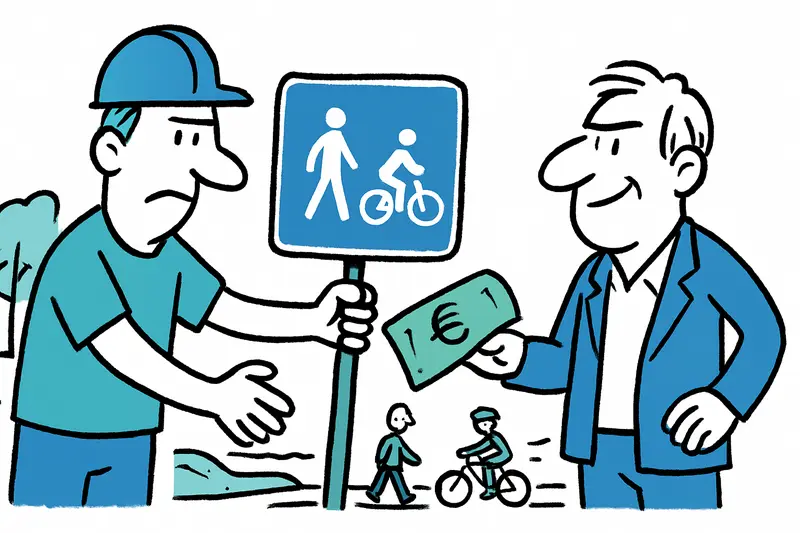
Capdepera is investing in Canyamel: a bike path, improved beach access and a new pedestrian and cycle axis should make the coastal village safer and more pleasant. Work is underway, with completion planned for early 2026.
Canyamel is being redeveloped: More space for pedestrians and cyclists
If you drive through Canyamel now, the first thing you hear is the hum of the excavators, then the distant cries of seagulls and the clinking of cutlery on the terraces. The coastal village in the municipality of Capdepera is changing its face: road edges are being removed, new paths laid and access to the beach improved. This is not a grand prestige project with a carillon, but hands-on work you can touch — gravel, asphalt, palms, new curbstones.
The municipality is investing more than two million euros in several measures that are intended above all to improve everyday usability (see Canyamel: Million-euro plan for 2026 — upgrade raises questions). The largest item is a new continuous cycle and pedestrian path along the main road from the roundabout to the entrance to Canyamel. This subproject costs around €1.8 million. Work began in July and progressed quickly; due to bad weather there was a delay of about a month, which pushed the planned completion back somewhat. Local coverage reported on the delays in Costa de Canyamel: Repairs Begin — and Now? The construction sites are currently in their final phases; the administration names early 2026 as a realistic completion date.
Anyone who has already walked past the site sees more than just asphalt. The new axis is intended as a meeting space: wider sidewalks, safer bike lanes and small gaps where young trees can provide shade. In front of the historic Torre de Canyamel, which has a long history as a viewpoint and exhibition space, there is room for a short break. A few tables, an information panel, maybe a stall with local art — that could be the transition between culture and coast.
At the same time, a second project is under way to improve access to Nuredduna Street and the beach entrances. Almost €642,000 has been allocated for this work. The project has already been awarded by contract, but because of the business interests of hoteliers and shopkeepers the start of construction was postponed from summer to October, and locals' reactions were covered in Costa de Canyamel: comienzan las reparaciones — los vecinos piden más que parches. The planned construction period is about four months, so these works also fall into the winter months — a quiet time for coastal construction.
On site, the differing reactions are noticeable. At the small bar opposite the roundabout the owner says while unlocking that she is looking forward to more customers in the spring: “If people can park and walk here safely, they stay longer.” An older cyclist, on the other hand, criticizes the way the construction site is set up and asks for better signage during the works. Such voices are part of the process: building is never convenient, but usually useful.
Capdepera is not only planning point-by-point improvements, but a network of cycle paths that connects the town centres. The goal sounds familiar: to calm traffic, make short journeys attractive and make the holiday resort more pleasant for locals and visitors alike. Practically this means: fewer cars in the narrow streets, clearer sidewalks and safe connections to beaches and cultural sites.
For residents and visitors there are now two simple rules: think ahead and be considerate. Avoid construction zones, follow diversions and respect the workers' rules. Cyclists are advised to use the signposted routes — the final connections will be much safer later than the temporary arrangements are now.
The gain at the end is quieter: better access for older people, more space for families with prams, safer routes for bike commuters and a tidier village image. Canyamel remains the same coastal spot with fishing boats at dawn and tourists eating ice cream in the afternoon — only a bit more accessible and, yes, a little cozier.
If you feel like it, you can take a walk to the Torre de Canyamel and see how the village is settling in. And those who cycle a lot will enjoy the new connections in summer. This is not a spectacular new beginning, but rather a series of useful steps that together improve everyday life — an upgrade for walking and cycling on Mallorca's east coast.
Frequently asked questions
What is changing in Canyamel on Mallorca?
When will the road and path works in Canyamel be finished?
Can you still walk or cycle through Canyamel during the construction works?
Is Canyamel still a good place to visit while the redevelopment is going on?
What changes are planned near Torre de Canyamel?
Why is Capdepera investing in new cycle paths in Canyamel?
What should visitors know about beach access in Canyamel right now?
When is the best time to do construction work in Canyamel on Mallorca?
Similar News

The End of the Cheap Ride? Why Mallorca Is Hit Harder by the Fuel-Price Shock
Gasoline and diesel average close to two euros per liter. What this means for commuters, supply chains and renters in Ma...
Relaxed liquid rules in Munich: What Mallorca travelers will notice
At Munich Airport the 100-milliliter rule will be lifted at all checkpoint lanes — thanks to new CT scanners passengers ...

For 45 Years on Mallorca — and Then This: How a Market Visit in Santa Ponsa Became a Lesson
A woman who has lived on the island for decades lost money and important documents at the Mercat Setmanal in Santa Ponsa...
10 percent surcharge on the beach: How legal and transparent is the extra charge at Playa de Muro?
A German part-time resident noticed days after a restaurant visit in Playa de Muro that the bill included a flat ten per...

Body near the Llevant Market: What this death says about our city
A man was found dead on Sunday afternoon near the Llevant Market. Police say the death appears natural. The scene raises...
More to explore
Discover more interesting content

Can Cap de Bou

Townhouse Lleo 72
