
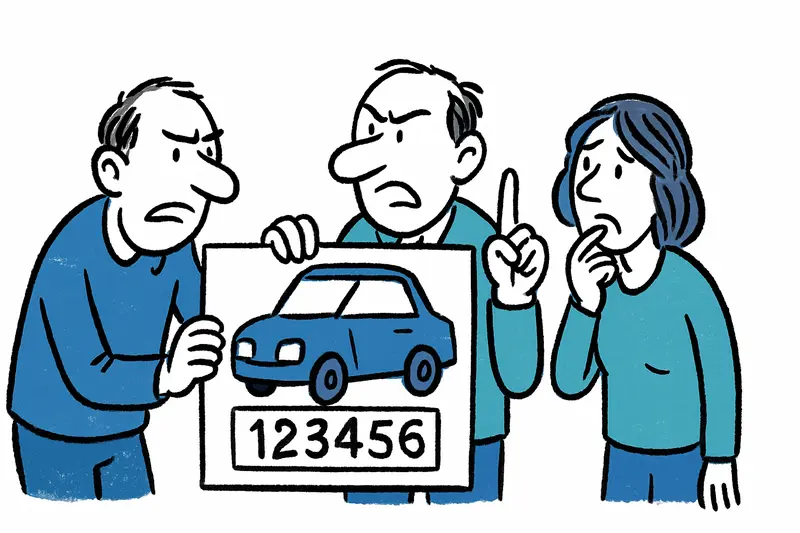
Cap or clarify? The debate over the maximum number of foreign license plates in Mallorca
Cap or clarify? The debate over the maximum number of foreign license plates in Mallorca
The island council intends to set a cap on private and rental cars with foreign license plates before the end of the year. Can a single number alone regulate traffic problems, legal certainty and everyday life on the island? A critical look with concrete proposals.
Cap or clarify? The debate over the maximum number of foreign license plates in Mallorca
Can a rigid cap solve traffic chaos, tourism pressure and legal uncertainty at the same time?
The island council has announced that it will set a maximum number of private and rental vehicles with foreign license plates allowed on the island before the end of the year. The news has sparked conversations along the Passeig Marítim and on Palma's quay: taxi drivers, residents and holidaymakers watch the ferries arrive, hear the engines thump and wonder whether a number on paper is enough to tackle the problem.
Key question: Is a cap alone sufficient, or is a finely tuned system needed so that law and everyday life do not sail past each other? Anyone strolling through the port today experiences the dilemma: rows of cars park in side streets, rental cars with suitcases crowd the narrow lanes, and locals curse when they cannot find a parking space in the evening. A catchy number may clarify the perspective, but implementation is more complicated.
The critical analysis reveals several problem areas. First: legal clarity is lacking. On Spanish soil, specific rules apply to re-registration of vehicles after extended stays; how exactly the island rule will interact with national vehicle law and EU law has not yet been publicly mapped out. Second: enforcement. A cap is of little use if ferries, charter operators and private crossings are not mandatorily registered and checked. Third: fairness. Who will be allowed to keep driving? Permanent residents, second-home owners, seasonal workers, commercial transports, landlords — without transparent priorities, legal disputes and flashpoints in municipalities are likely.
What is often missing from the public debate: concrete mechanisms. It's not just about a number, but about counting rules. Will the limit be calculated daily, seasonally or permanently? Does each arriving vehicle count or only the fleet actively driving on Mallorca? And what sanctions apply in case of violations? Without answers, the announcement remains vague and opens the door to speculation and frustration at the ports.
Everyday example from Palma: an elderly couple in Santa Catalina who search for their small Ford every morning now increasingly find it parked further away. On the way to the bakery the woman shakes her head at the view from the harbour: buses back up, rental cars gleam in yellow or black, and young people use their smartphones to hunt for parking spaces. Scenes like these show that this is about quality of life, not just number games.
Concrete solutions needed now: a) Transparent criteria for counting, published and legally secured. That means defining which vehicles fall into the quotas and how transitional periods are handled. b) Digital pre-registration for ferries with slot allocation and linkage to national vehicle databases, so that ships no longer act as unchecked gateways. c) Incentives instead of pure bans: short-term parking zones, priority spaces for residents, higher fees for vehicle access during peak times. d) Cooperation with rental car companies: clear, sanctioned reporting obligations and quotas per provider. e) Strengthened controls at the ports using automatic number plate recognition and targeted inspections, accompanied by clear legal consequences.
Another point: public transport and alternative mobility must be significantly expanded. Turning the island into a car island may offer short-term convenience but sacrifices living space in the long run. More direct bus connections to beach areas, extensive park-and-ride facilities outside historic centers, charging infrastructure for electric vehicles — these are measures that may sound less headline-grabbing but would make a tangible difference in daily life.
In addition, the debate needs a social dimension. Seasonal workers, tradespeople and people with medical needs must not become the losers. Exemptions are required here — with clear proof, time-limited permits and digital controls so the system is not hollowed out.
Conclusion: A maximum number can be a tool, but not a panacea. For the measure not to become a legal gamble, the island council must use this autumn's study to clarify rules, create reporting and control mechanisms, and offer alternatives. Without these additional elements, chaos at the quays, neighborhood tensions and court cases threaten. The hour of numbers is near — now the details matter.
Frequently asked questions
What is the best time to visit Mallorca for pleasant weather without extreme heat?
Can I swim in Mallorca year round?
What should I pack for a trip to Mallorca?
Are there family-friendly activities in Mallorca for a relaxed visit?
How does the weather vary along Mallorca’s coast?
Is public transport reliable for exploring Mallorca, or should I rent a car?
What beaches in Mallorca are best for families or beginners?
What about languages and tipping while visiting Mallorca?
Similar News
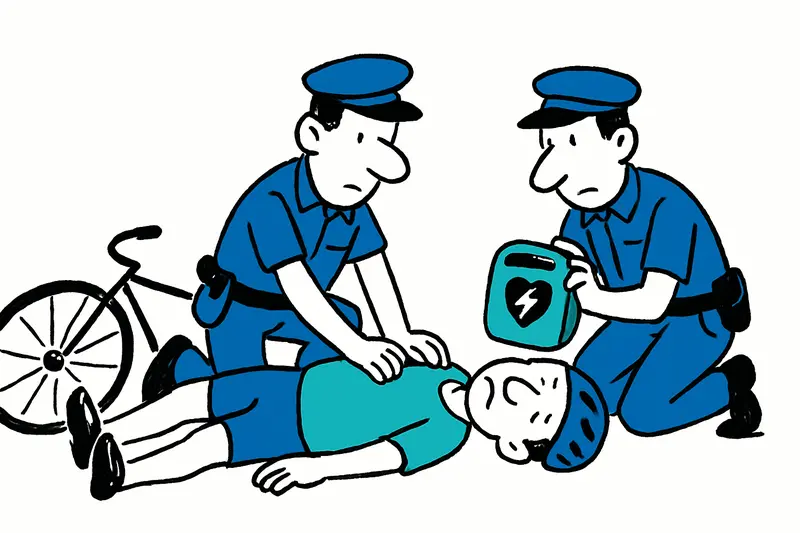
Police resuscitate cyclist on the Soller–Deia route
On the winding stretch between Soller and Deia a 63-year-old cyclist suffered a cardiac arrest. Two police officers imme...

Why the Nadals Briefly Moved Away This Year — and What That Has to Do with Our Island
Rafa Nadal and his family spent parts of the summer on Hvar. The episode raises questions: How do we protect privacy and...

Extending Summer in Mallorca: Why the New Heat Shock Is More Than Just Unpleasant
AEMET reports a persistent heatwave: In Palma temperatures will rise to 34–36 °C through the weekend, nights remain unus...

Ten days alone: Dog found its dead owner in Palma — and no one noticed earlier
On Calle Joan Crespí neighbors discovered a 55-year-old man who had apparently been dead in his apartment for about ten ...
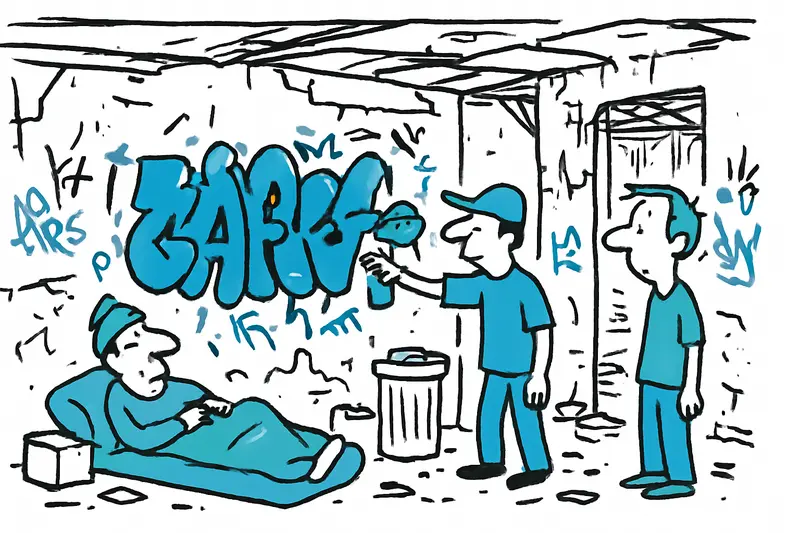
Es Fogueró: Glamour, Graffiti and the City's Neglect
The dilapidated Es Fogueró arena in Port d'Alcúdia is today simultaneously an open-air gallery, emergency shelter and da...
More to explore
Discover more interesting content

Boat Tour with BBQ along Es Trenc Beach
Private transfer from Mallorca Airport (PMI) to Pollensa
