
Car on MA-13 near Inca in flames – a safety check for the island
Car on MA-13 near Inca in flames – a safety check for the island
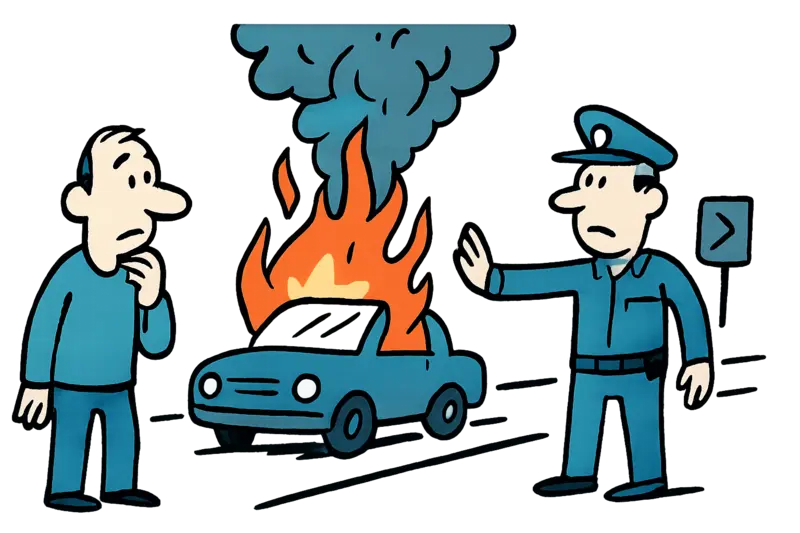
A vehicle caught fire on the MA-13 towards Alcúdia on Tuesday afternoon. The driver was uninjured, the car was destroyed. What the incident reveals about road management and hazard response on Mallorca.
Car on MA-13 near Inca in flames – a safety check for the island
Why a locally visible fire becomes a bigger question: How well is Mallorca's emergency chain really organised?
On Tuesday around 2:30 pm the MA-13 near Inca was at a standstill for many hours: a vehicle suddenly caught fire on the motorway heading towards Alcúdia. The driver was able to get out of the car without injuries, the fire brigade in Inca extinguished the blaze, but the car was completely destroyed. The Guardia Civil regulated traffic, and long tailbacks formed on the carriageway. These are the sober facts – but they are not enough for us.
Key question: How well organised is the response to vehicle fires on Mallorca, and which gaps only become apparent when smoke rises above the motorway?
The moment when sirens wail and black smoke billows between the lanes is familiar to many here. I have often experienced it on days when commuters stop at the Inca roundabout and people in the cafés at the town's edge glance towards the motorway. Sirens, the smell of burning rubber and the stalled murmur of waiting cars – such scenes have become everyday on the island, and therefore we must not only report but reflect.
Critical analysis: The on-site response was quick and professional: firefighters on scene, driver uninjured, traffic controlled by the Guardia Civil. Nevertheless, questions arise that go beyond this single operation. Why exactly the vehicle caught fire remains unclear – mechanical failure, an electrical fault, overheating, a leak? Without investigation it cannot be said. Even without a final result, the incident exposes structural weaknesses.
What is missing in the public debate: First, we rarely see transparent, publicly accessible information about the causes of such fires. Most remain "unclear" – and that reassures no one. Second, there is often a lack of discussion about the infrastructure along the motorways: sufficiently wide hard shoulders, safe emergency stopping areas, practical evacuation points. Third, we talk too little about how traffic jams on an island strain our rescue chains: tow services, fire engines and ambulances need passage – and they need it immediately.
An everyday scenario that many know: on a September afternoon tourists and locals stand by the Inca mast, hear the smoke disperse, see buses pause and grumble about the time lost. The clock is ticking, the heat remains, and on a holiday day it is often precisely the clogged arteries that make the difference between property damage and a disaster.
Concrete solutions we should tackle immediately: better real-time information. Traffic management systems that not only show "congestion" but estimate duration and suggest alternative routes. Clear contracts with tow companies so burnt-out vehicles are removed from the carriageway faster. Emergency islands or paved emergency bays at critical sections so emergency vehicles can reach the scene quickly. In addition: regular drills on the MA-13 in which fire services, police and towing firms coordinate – drills cost little compared to the time lost in a real incident.
Technically, vehicles should be checked more thoroughly. Not to assume owners are at fault, but information campaigns about simple maintenance checks: battery, fuel lines, oil level, visible leaks. Electric vehicles deserve special attention: extinguishing methods and towing techniques differ, and staff must be trained accordingly.
Communication is another central point. People stuck in traffic want to know whether it will be an hour or three. An app, clear announcements on radio and digital boards as well as coordinated social media updates could ease the situation. Local employers should also consider flexible working hours so commuters are not on the road at peak times.
What does it cost? Not just money, but planning. Wider hard shoulders and new emergency bays require investment. But better trained emergency personnel, binding towing contracts and digital data integration are measures that pay off quickly: shorter closures, fewer secondary accidents and faster restoration of traffic flow.
Punchy conclusion: The burning car on the MA-13 was a stroke of luck in misfortune – no seriously injured people, rapid fire suppression. Yet the incident is a wake-up call: we need fewer "whys" in press reports and more clear answers, safe infrastructure and real preparedness. Mallorca is too small for long traffic jams when people need help. The island can be better in such moments – with concrete measures that should be tackled now.
Frequently asked questions
How reliable is Mallorca's emergency response to highway vehicle fires like the one near Inca on the MA-13?
What concrete improvements could make Mallorca’s motorways safer and quicker to clear after incidents?
What should a driver do if their car catches fire on a Mallorca highway?
How could Mallorca improve real-time traffic information during highway incidents?
Why do electric vehicles require special attention during fires or towing on Mallorca?
Are there regular drills on the MA-13 to improve coordination among emergency services in Mallorca?
What infrastructure concerns were raised by the MA-13 incident near Inca?
How can Mallorca reduce the disruption caused by highway incidents for locals and visitors?
Similar News
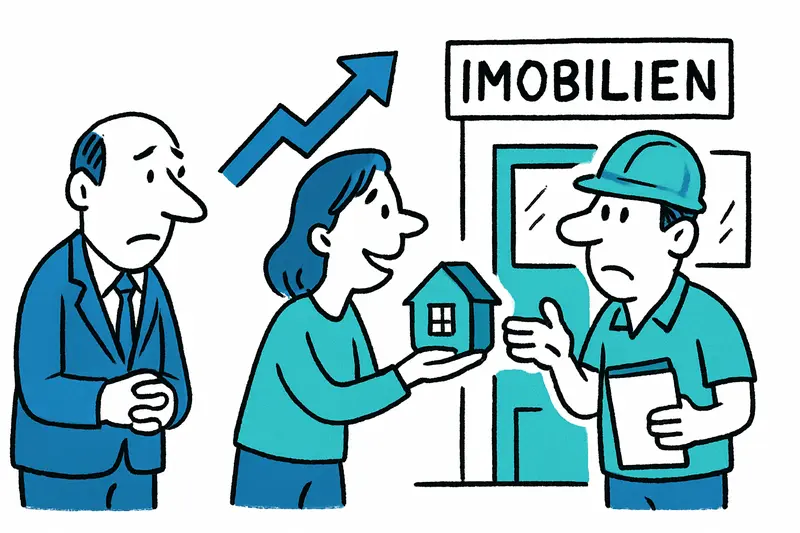
Real Estate in Mallorca: Fewer Buyers, Higher Prices — What's Behind It?
Sales on Mallorca are falling, yet prices continue to climb. Why fewer transactions do not equal relief — and what shoul...
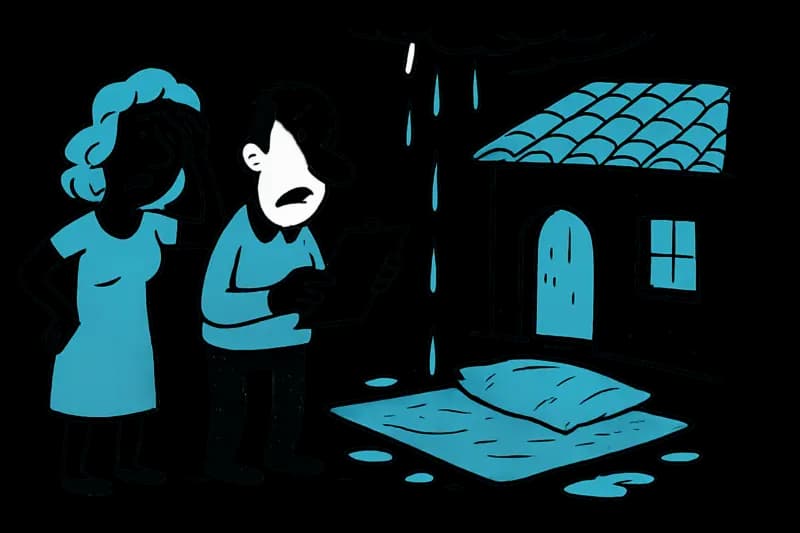
Just Bought — Already Trouble: Water Damage in the Heiters' Villa and What Owners in Mallorca Should Know Now
A newly purchased sea-view property — and within days a water damage. What risks lurk in new properties in Mallorca, and...

Rich, Richer, Mallorca? A critical look at the growing super-rich bubble
Numbers: Around 3,600 millionaires in the Balearic Islands hold a combined €27.6 billion. What this concentration of wea...
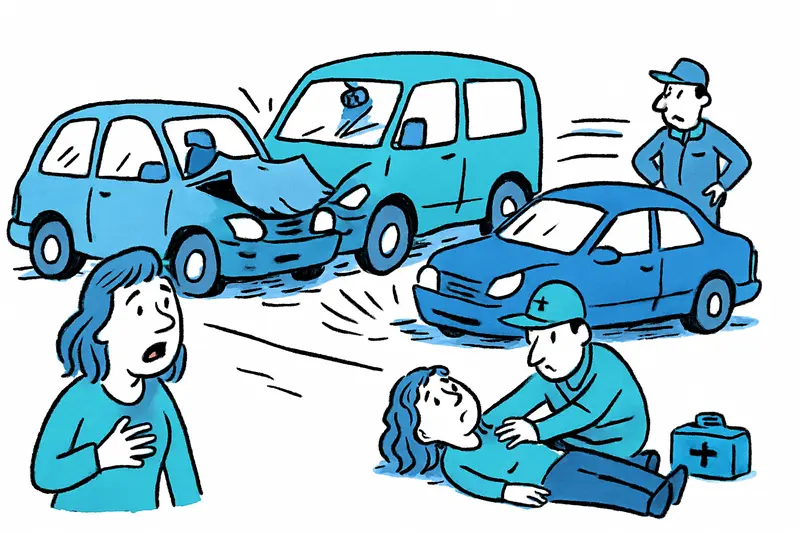
Chain reaction on the MA-1: Eight injured in rear-end collision near Portopí
On Tuesday morning there was a crash at the Andratx exit to the MA-1 towards Palma: a rear-end collision between a car a...
Happy Couple and Water Damage in Mallorca: A Reality Check for Home Buyers
Just moved in, already water under Mallorca's sun: the case of the influencer couple highlights risks often overlooked w...
More to explore
Discover more interesting content

Can Cap de Bou

Townhouse Lleo 72
