
From Cinema to Neighborhood Center: What Pere Garau Really Needs
The city plans to convert the old Metropolitan site into a neighborhood center with a library, daycare, parking garage and new police station. Good idea — but what does this concretely mean for the Pere Garau neighborhood?
From Cinema to Neighborhood Center: What Pere Garau Really Needs
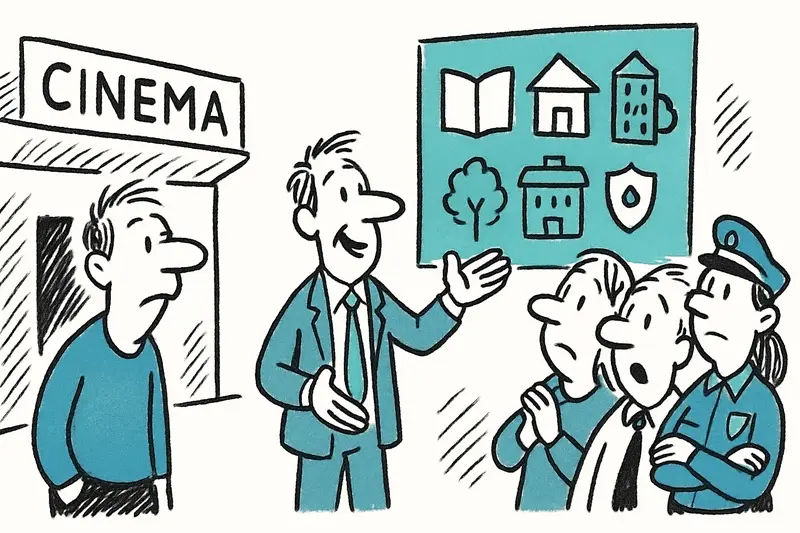
Past the faded facade of the old Metropolitan, the smell of cotton candy and fresh coffee drifts through the market lanes. The screen has long been empty, but the city has big plans: the cinema is to become a neighborhood center with a library, daycare, community center, parking garage and a new police station, as reported in From the Metropolitan to the Neighborhood Center: Palma's Plans for Pere Garau Under Scrutiny. On paper it sounds like urban renewal. In the streets of Pere Garau it raises many unanswered questions.
The central question
What will the project actually bring to the people who live here? That is the question heard in the neighborhood more often than the tender date (December 15). Yes, more social infrastructure would be welcome. But will €17.7 million and a building on former cinema grounds deliver the benefits residents hope for — or will they mainly create new conflicts over traffic, noise and usage?
Analysis: opportunities and blind spots
Positively, different services can converge in a central location. A well-planned library and flexible rooms for neighborhood groups could close gaps: language courses for new residents, meeting places for older people, spaces for local initiatives. That sounds like a gain for the vibrant multicultural life you hear at the market in the morning between olive sellers and coffee stands.
But some aspects have received little public debate so far. Take the parking garage: it may ease parking shortages, but it can also attract additional traffic and worsen air quality. The planned police station for around 30 officers raises questions about location, visibility and deployments — more presence does not automatically mean more safety if the measure is not linked with social prevention.
What residents say — and don't say
At a meeting in the community center the mood was divided. “We don't want a sterile hub, but things the neighborhood actually needs,” says a resident. A recurring demand is for a 24-hour emergency clinic. Officially this is not part of the program, but the demand shows: health and quick help matter more to many than another parking lot.
Other concerns revolve around construction noise, accessibility for older people and who will operate the spaces after completion. Will cultural offerings remain affordable or be handed over to private operators with admission barriers? Will the little bakery on the corner survive if access routes are changed?
Concrete proposals instead of vague promises
To prevent the project from becoming a concrete solution with little everyday benefit, planners and politicians should include concrete measures: First, a traffic concept with clear rules for deliveries, time-limited loading zones and strong promotion of walking and cycling. Second, design the parking garage as limited or modular — fewer spaces often mean better quality of life.
Third, examine health services: a room for a public emergency clinic or at least a primary care center would be a major upgrade. Fourth, flexible booking models for the rooms so clubs, schools and neighborhood groups remain affordable. Fifth, local employment: construction and operation should create jobs for people from the neighborhood.
Green, quiet, nearby — and realistic
Green spaces and soundproofing measures must not be missing in a modern neighborhood center. A roof garden, green facades or small courtyards could reduce heat and promote neighborhood life, as reflected in Where is my tree? Pere Garau marks the gaps in urban greenery. At the same time, transparent cost plans are needed: €17.7 million sounds like a lot of money, but what follow-up costs will arise for operation and maintenance?
This is how participation should work
It is not enough to call an architectural competition and hang up the best designs. Similar projects have sparked debate elsewhere, as in Genova: Groundbreaking for the Neighborhood Center — Opportunity or Half a Promise? Clear participation means: barrier-free information events, clear answers to objections, long opening hours for exhibitions — and a promise that changes are possible. Otherwise the poster display remains a formality while the street keeps debating.
Conclusion: potential model project — with reservations
I like the idea that a cinema screen could become a space for children's laughter, books and neighborhood life. But the potential will only be realized if the city seriously integrates planning, traffic and health care and gives local people real influence. Otherwise a chance risks becoming a piece of dull urban logic.
By mid-December the first designs will be submitted. Then it will become clear whether creativity and pragmatism can be combined — and whether Pere Garau will gain more than just a new parking garage.
Frequently asked questions
What is planned for the old Metropolitan cinema in Pere Garau, Mallorca?
Why are residents in Pere Garau worried about the new neighborhood center?
Will the Pere Garau project include a health service or emergency clinic in Mallorca?
How could the new parking garage in Pere Garau affect traffic in Mallorca?
What kind of community spaces could Mallorca’s Pere Garau center offer?
When will the Pere Garau project in Palma move forward?
Will the Pere Garau neighborhood center in Mallorca have green spaces?
What do people in Pere Garau want most from the new Mallorca project?
Similar News
Masked Images, Real Panic: When Social Media Aesthetics Alarm Neighbors
Five German content creators filmed on a recently vacated detention site using deceptively realistic props. The result: ...
Why the Striped Breams in Cala Pí Should Be a Wake-up Call
Once again bathers in Cala Pí were surrounded while swimming by small, nippy fish — some wounds bled. Time for clear rul...

Daily from New York: How Palma's Air Traffic Is Growing — and What Must Change
United will increase the Newark–Palma service to daily flights in 2027 (Boeing, 231 seats). Strong tourist numbers clash...

When Love Ends in Shards: Destruction in Son Vida and the Questions That Remain
In Son Vida a relationship dispute escalated: a woman destroyed furniture in a luxury villa, later pressed a panic butto...
Who Bears the Burden? Mallorca Between Tenant Protection and Landlord Fears
Madrid's new housing decrees strengthen tenant rights — but on Mallorca concern is growing: will the law drive small lan...
More to explore
Discover more interesting content

Can Cap de Bou

Townhouse Lleo 72
