
Life-threatening cliff jump at Cala Mosques: Who protects the unpatrolled coves?
Life-threatening cliff jump at Cala Mosques: Who protects the unpatrolled coves?
A 28-year-old tourist dove headfirst from the rocks at Cala Mosques and floated motionless in the water. Two police trainees who happened to be nearby rescued him. A reality check: why do secluded coves remain dangerous places?
Life-threatening cliff jump at Cala Mosques: Who protects the unpatrolled coves?
Key question: Why do cliff jumps in secluded coves repeatedly end up nearly fatal, even though help is often only briefly available?
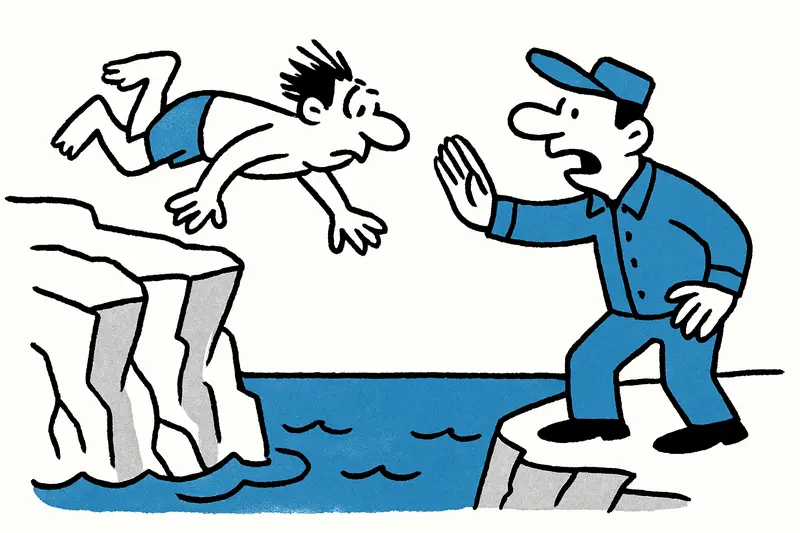
On Tuesday morning a small, quiet cove south of Palma once again became the scene of an emergency: a 28-year-old tourist dived headfirst from the rocks at Cala Mosques and then floated motionless face down in the sea. Two police trainees who happened to be nearby jumped into the water, pulled him ashore and immediately began resuscitation. For about 15 minutes they performed cardiopulmonary resuscitation until more helpers arrived; the man was finally taken to the Son Espases University Hospital and treated in the intensive care unit.
The scene on site felt both familiar and disturbing: pine trees gave off scent in the heat, fishermen rummaged on the rocks, seagulls circled, and on the narrow access road you occasionally heard a scooter pass by. No red flag, no lifeguard towers, no lifeguard — only people intervening because they could or happened to be there. Such moments show how much survival often depends on chance and the courageous actions of individuals.
Critical analysis: the accident fits into a series of similar cases on Mallorca in which cliff jumps or reckless activities on unguarded stretches of coast had severe consequences, as reported in When Dares Turn Deadly: Examining Cliff Jumps on Mallorca's East Coast. Two aspects stand out: first, the risks of a head-first dive from confusing rock formations — changing water depths, submerged rocks and currents are hard to assess. Second, the structural gap in rescue infrastructure in secluded coves: no permanent bathing supervision, long response times for ambulances and often no possibility for direct helicopter deployment.
What is often missing in public debate: the discussion focuses on individual cases and dramatic images, but not sufficiently on systemic prevention. Hardly anyone talks about the fact that many cliff spots are attractive Instagram backgrounds and that especially young people underestimate the risk. Also overlooked are the pragmatic obstacles to rapid rescue — narrow access roads, missing defibrillators at parking areas and unclear GPS coordinates for emergency calls from coves, a context described in Pruebas peligrosas de valentía en la costa este de Mallorca: cuando los acantilados se convierten en trampa.
Everyday scene from Mallorca: anyone who drives to the parking above Cala Mosques on a hot morning knows the mix of sea air, fuel smells from delivery vans and the murmur of Spanish voices. Families pack beach gear, teenagers drag air mattresses, and some look for a thrill on the rocks. This mix of normality and carelessness makes the problem striking: these are neither professionals nor enemies, but people using our coast — without full information or protection; the same questions were raised after a recent incident in Son Bauló in Tragedy in Son Bauló: Small Cove, Big Questions — How Safe Are Mallorca's Unassuming Beaches?.
Concrete solutions: 1) Visible prevention signs with clear hazard warnings, graphically understandable and in several languages, at parking lots and access paths to cliffs. 2) Strategically placed, publicly accessible automated external defibrillators (AEDs) at parking areas and beach entrances. 3) Seasonal reinforcement of lifeguard presence in known high-risk coves and more flexible deployment plans for mobile rescue teams. 4) Better networking of emergency communications: precise location transmission via an app or fixed GPS points so ambulances and helicopters can find sites faster. 5) Information campaigns through hosts, boat rentals and hotels: brief notes at check-in about the risks of cliff jumps and basic first aid. 6) Promotion of local first-responder networks and regular training for staff who frequently work on the beaches.
Pointed conclusion: time and again lives are saved by courageous individual acts — like the two police trainees this time. That is admirable, but it must not become the long-term solution. Mallorca needs pragmatic, visible measures that do not just applaud emergency responses but make them unnecessary. Authorities, municipalities and tourism providers must work together to make the beautiful coves safer without closing them. Otherwise the next dramatic incident is only a matter of time.
Frequently asked questions
Is it safe to cliff jump in Mallorca’s secluded coves?
When is the best time to swim in Mallorca if you want safer conditions?
What should I pack for a day at an unguarded cove in Mallorca?
Why are some Mallorca coves more dangerous than they look?
What happened at Cala Mosques in Mallorca?
Does Cala Mosques in Mallorca have lifeguards or safety patrols?
How can Mallorca improve safety at remote coves?
Should hotels and boat rentals in Mallorca warn guests about cliff jumping?
Similar News
More water than last year: Mallorca's reservoirs breathe easier
September rain refilled the Tramuntana's reserves: overall fill around 35 percent, Cúber at 40.42 percent, Gorg Blau at ...
Three Luxury Hotels in Banyalbufar: Lots of Money, Many Questions
A Danish investor plans three exclusive accommodations in Banyalbufar — including the historic Son Valentí. The announce...
2.1 tonnes of cocaine on sailing yacht off Spain's coast – a reality check for the coastguard
A 14-metre yacht was seized with 2.1 tonnes of cocaine. Who monitors the ports, how does the international hunt succeed ...

Heat Bonus in Mallorca: 100 Euros Extra for Outdoor Staff at MarSenses
MarSenses pays employees who worked outdoors in August an extra €100 as recognition. Lighter uniforms, reduced hours for...
Renovating in Mallorca: What You Really Can Do Without Neighbour Consent
Many think they can do whatever they want in their apartment. That's partly true — but only as long as structural elemen...
More to explore
Discover more interesting content

Can Cap de Bou

Townhouse Lleo 72
