
Closing 2026 at Ballermann: Parties, Prices and the Quiet Questions Afterward
Closing 2026 at Ballermann: Parties, Prices and the Quiet Questions Afterward
Megapark, Bierkönig and MK Arena have announced their closing dates. Good news for partygoers — but rising prices and the consequences for residents remain unanswered.
Closing 2026 at Ballermann: Parties, Prices and the Quiet Questions Afterward
Autumn is approaching, but the sound systems on the Playa keep running: Megapark, Bierkönig and the MK Arena have set their dates for the 2026 season finale. Megapark plans, according to its own announcement, a big finale from October 15 to 18; the Bierkönig intends to celebrate the end of the season from October 22 to 25; the MK Arena marks the period from October 15 through October 26 and combines this with program weeks in September. Further scheduling context is available in Bierkönig First, Megapark a Week Later – Staggered Opening 2026 Brings Opportunities and Questions.
On paper the dates read like entries in the calendars of many regulars: well-known names from the party scene are expected – from Mickie Krause, Mia Julia and Isi Glück to Die Atzen, Lorenz Büffel and Pietro Lombardi. At the Bierkönig acts such as Peter Wackel, Julian Sommer, Ikke Hüftgold and Schürze are on the list. In addition, the management of the MK Arena announced Kölsch weeks in September with various special acts. The dynamic of acts and legacy at venues like the Bierkönig has been considered in No Farewell in Sight: Heino, the Bierkönig and the Ballermann Legacy.
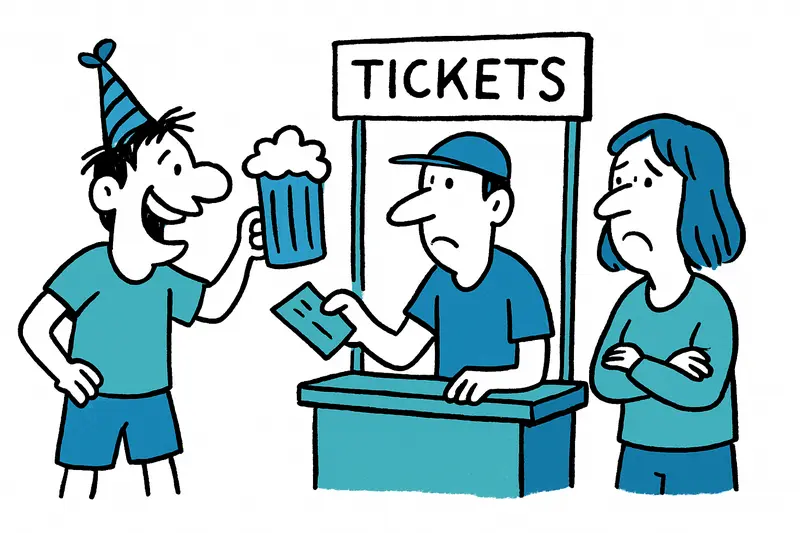
A second, less glittering piece of news accompanies this: the prices. A liter of beer on the Playa in summer 2026 costs up to €18.60, at the Bierkönig a price of €16.50 was mentioned for the one-liter mug; in individual cases amounts up to €19 were even reported. Anyone thinking of coming for the season finale should not underestimate the drink calculations.
Key question: Who actually benefits from the closings?
When I cycle along the Schinkenstraße in the morning, I see two scenes: disco lights still flash, garbage bags are being hauled by cleaning staff to be collected; at one corner a coach with sleepy partygoers stands. Later in the day craftsmen and older residents meet there – both watch the preparations for the next night events with mixed feelings. The central question is: do the big closings primarily serve the business of the organizers and the party guests – or is there a real added value for the island and its people?
Critical analysis
The economic logic is understandable: high visitor numbers in the late season bring revenue to hotels, restaurants and transport. But the public discourse about these finales usually focuses on acts and dates. It almost never openly addresses three practical sides of the equation: the working conditions of the crew, the burden on neighborhoods and the price development that makes the trip to the Playa unaffordable for many. The contradictions of Ballermann as both cultural spectacle and local reality are explored in Ballermann Between Ecstasy and Reality: More Than Beer and Schlager Music?.
Employees behind the stages often work on seasonal contracts, sometimes with long shifts in quick succession. Residents experience noise, parking pressure and recurring mountains of rubbish. And the high drink prices change the visitor profile: instead of a colorful mix, more people arrive who are willing to pay high amounts – the cards for social mixing are being reshuffled.
What is missing from the public debate
Three things are lacking: reliable figures (how much of the revenue actually stays on the island?), binding price transparency on site (so guests know what to expect) and an institutionalized residents' representation in the planning of large events. Without these points the discussion remains on the surface: “line-up”, “tickets” and “Instagram reels” – lots of style, little substance.
Everyday scene from the Playa
An example: early in the morning after one of the big weekends the garbage collection at the Playa is already working in the heat. An older café owner wipes the tables while young cleaning staff sort cardboard and PET cups. The remaining bottles are stacked in crates, ready for collection. The scene is routine, almost professional – but at the same time an indication that behind every party there is invisible, hard work that is rarely visible and even less often fairly paid.
Concrete approaches
1) Price transparency before entry: organizers could display standard prices online and at the box office, including information on combo offers and T-shirt promotions. Clarity helps reduce frustration.
2) Coordinate traffic and night rest: expanded bus and night lines during the closing days as well as designated pick-up zones for taxis and coaches would reduce congestion and illegal parking.
3) Community liaison committees: representatives of hosts, residents, organizers and the municipality should have regular meetings before and after the season.
4) Waste and deposit concepts: return containers and deposit systems for cups and bottles could significantly reduce the leftovers.
5) Fair working conditions: minimum standards for seasonal workers, transparently visible working hours and break rules can be negotiated – for more sustainability in the industry.
Conclusion
The closings at Ballermann are a ritual for many visitors – they are an economic factor and part of local identity. At the same time the dates and price tags show that the party economy stands at a crossroads: more commerce, or more consideration? The island needs both: events that secure income, and rules that bring workers, residents and visitors together fairly. Those who like the musical highlights should therefore not only check tickets but also look at how these nights are organized – and ask loudly enough for things to change; examples of how Ballermann acts blend party and schlager culture can be seen in Beerstreet Boys: When Ballermann Meets Schlager — a Loud Love Letter to the Playa.
Frequently asked questions
When is Mallorca’s best time to visit for nice weather and fewer crowds?
Is it safe to swim in Mallorca's sea, and what should I know about water conditions?
What should I pack for a trip to Mallorca to stay comfortable in changing conditions?
How can I get around Mallorca without renting a car?
What are some must-see natural spots or beaches for first-time visitors to Mallorca?
What language is spoken in Mallorca, and will English help me get by?
Is tipping common in Mallorca, and how should I handle service charges?
Are day trips from Mallorca worthwhile, and what options might fit a short break?
Similar News

Phone on the lap? Mallorca and the new AI super-cameras — more control or less trust?
The new generation of traffic cameras detects roadside phone use and seatbelt violations in milliseconds. A technical op...

Pool Boom in Mallorca: 23 New Pools per Week — and What Now?
According to an environmental study, 10,680 new swimming pools were built in Mallorca between 2015 and 2024. What does t...
Money after death: How safe are seniors at home?
In Artà a 61-year-old caregiver is suspected of having withdrawn €600 twice from the account of an 87-year-old German wo...

"Fifth Season" in Port d'Andratx: A glass-bottom pool that makes passersby stop
An unusual superyacht with a dark hull and a partially glazed infinity pool is currently at the Yacht Club of Port d'And...

Newark–Ibiza: What the new direct flights mean for Mallorca
United will operate four weekly direct flights from New York–Newark to Ibiza with the A321XLR from May 2027. For Mallorc...
More to explore
Discover more interesting content

Boat Tour with BBQ along Es Trenc Beach
Private transfer from Mallorca Airport (PMI) to Pollensa
