
Money after death: How safe are seniors at home?
In Artà a 61-year-old caregiver is suspected of having withdrawn €600 twice from the account of an 87-year-old German woman shortly after her death. The case raises questions about protection mechanisms for seniors living alone.
Money after death: How safe are seniors at home?
Key question: How could it happen that shortly after the death of an 87-year-old woman living alone in Artà two withdrawals of €600 each were made — and what does this say about the protection of our older neighbors?
The basic facts are sparse: An 87-year-old German woman was found dead in her apartment in Artà on July 19. The woman, who had been cared for by a 61-year-old British woman, apparently relied on the caregiver regularly for shopping and errands. After the death was confirmed, a relative discovered on the bank statements two cash withdrawals of €600 each, made on July 19 and 20. The Guardia Civil is now investigating on suspicion of embezzlement and fraud.
The case file, as far as is known, contains a few points that together paint a worrying picture: the bank card was in the apartment, the caregiver knew the PIN because she had used the money for purchases, and she apparently had a key to the apartment. Shortly after the passing, money was withdrawn on two separate days. Whether the withdrawals were authorized is the subject of the investigation — and this is exactly where the problem begins for many households with people in need of care.
What is missing in the public debate? Too often the discussion remains superficial: 'fraud' or 'was it an accident?' Concrete debates about structural gaps are lacking: How are domestic and foreign care services monitored? What routines do relatives follow when a person in care lives alone? How quickly can accounts be frozen when a death is reported? And who checks whether keys, cards and powers of attorney are properly stored? Similar incidents have been reported locally, for example When the Doorbell Becomes a Risk: How Palma Should Better Protect Seniors from Fake Technicians and Fatal Discovery in Son Macià: A Case Raising Questions about Protecting Older People.
On the streets of Artà, when the church bells ring in the morning and the bakery on the Plaça serves its first customer, neighbors speak quietly: 'She was alone, she had help from an Englishwoman,' a woman whispers as she picks up her bread. Scenes like this show how close hope and risk are: a trusted person has access — and that trust can become a danger in a serious situation.
Critical analysis: The current constellation of home access, knowledge of the PIN and the de facto decision-making power that comes with everyday errands creates vulnerabilities. Banks do not usually freeze accounts automatically after a death; this typically requires an official notification and time. Caregivers often have keys and PINs because it is logistically practical. But these practices are legally and ethically problematic when not accompanied by clear rules.
Concrete solutions that could actually help:
- Relatives should establish routines: regular digital or in-person checks (e.g., weekly) of bank statements; a reliable contact person in Spain who can intervene at short notice.
- Banks could offer a simple alert mechanism: upon presentation of a death certificate, debits and withdrawals could be temporarily blocked until inheritance and account matters are clarified.
- Care services and private helpers need mandatory basic checks and training in handling payment instruments: PINs must not be permanently shared; alternative payment methods (e.g., standing orders, prepaid cards) should be considered.
- A simple registry at the municipal office or social services, listing trusted contacts, key storage locations and bank contacts, would speed up the process in the event of a death.
- Strengthen social neighborhood networks: neighbors, pharmacists or shopkeepers can serve as an early-warning system when the situation of a person living alone changes.
What the Guardia Civil's investigations reveal will show whether a legal offense has been committed or whether other explanations are possible. Regardless of the outcome, the lesson remains: the balance between autonomy and protection for older people is fragile and requires practical solutions rather than outraged headlines.
Conclusion: The case in Artà is not an isolated incident in the sense of a rare crime, but a symptom; similar episodes such as Santa Catalina: Man reportedly lived for a month with his dead mother – questions for the city illustrate this. Our everyday practices — sharing keys, disclosing PINs, seniors living alone depending on external help — create situations in which abuse is possible. If we do not more quickly establish administrative and banking protection mechanisms and strengthen informal networks, the vulnerable in society will remain unprotected. The bells in Artà continue to ring; they call on us to be vigilant.
Frequently asked questions
How can seniors in Mallorca stay safe from financial exploitation by caregivers?
What happens to an elderly person’s bank account after they die, and can withdrawals be blocked in Mallorca?
What signs should families in Mallorca look for to prevent caregiver money misuse?
What practical steps can families in Artà or Mallorca take to safeguard an elderly relative living alone?
How can neighbors and local shops contribute to protecting seniors in Mallorca?
What payment methods should caregivers use to avoid sharing PINs or accessing funds?
What is the balance between independence and protection for older residents in Mallorca and beyond?
What is Mallorca’s climate like and how should visitors pack for a trip or stay on the island?
Similar News
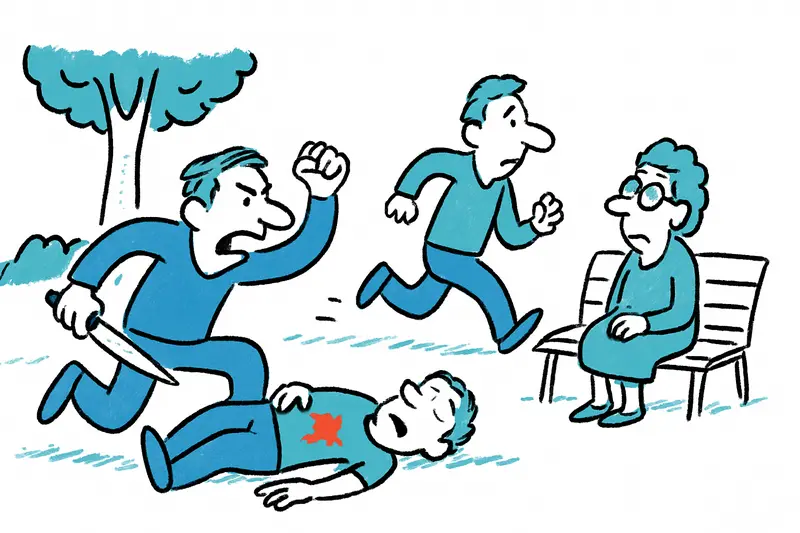
Bloody clash in Canòdrom Park: What is missing in addressing violence on Mallorca's streets?
At midday on October 23, an 18-year-old man was critically injured in Canòdrom Park in Palma. The attack raises question...
Palma raises bus fares: Who pays the bill for public transport?
Single tickets rise from €2 to €3, airport trips have a reference price of €4.50. It remains unclear whether residents w...
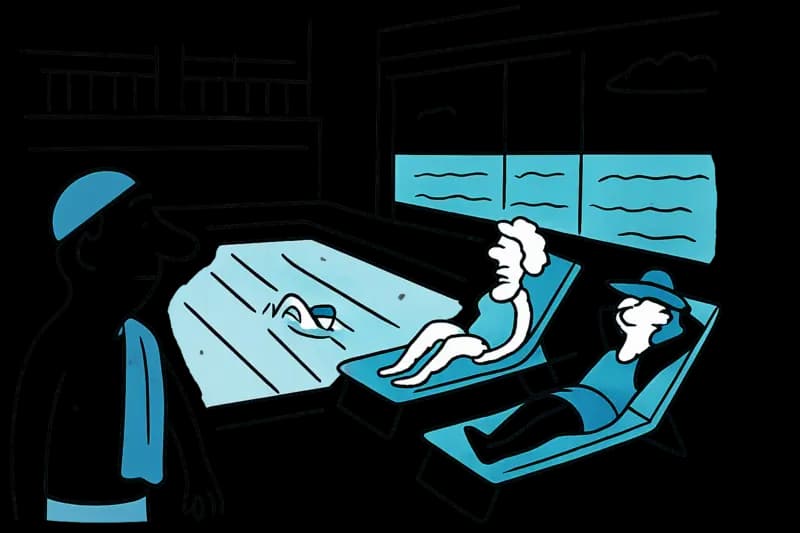
Palma's New Indoor Pool: Sea View, Sunbeds and Space for Everyone
At Aigua Dolça, near the Paseo Marítimo, Palma has a new municipal indoor pool. For a small fee people can now train, re...
How Four Burglars Emptied Ten Houses with a Simple Trick — and What It Means for Mallorca
Four men used the impressioning technique, posed as delivery workers and accepted two years in prison. A reality check f...
Bundles of Drugs, Containers and Open Questions: A Reality Check for Mallorca
3.3 tonnes of marijuana, 80 kilos hidden in golf-ball vending machines and a 44-year-old German released on conditions i...
More to explore
Discover more interesting content

Can Cap de Bou

Townhouse Lleo 72
