
Palma raises bus fares: Who pays the bill for public transport?
Single tickets rise from €2 to €3, airport trips have a reference price of €4.50. It remains unclear whether residents will still be able to travel for free in 2027. A reality check from Palma.
Palma raises bus fares: Who pays the bill for public transport?
Key question
Who benefits from raising the single ticket to three euros – and who ends up bearing the costs?
Palma is facing a fare reform: the single journey on the municipal transport company EMT rises from €2 to €3, and a reference price of €4.50 is named for trips to the airport. At the same time, it is unclear whether island residents will still be allowed to travel by bus and train for free next year; the decision depends on a decree from the central government. The introduction of the Tarjeta Única by the regional transport consortium CTM is intended to simplify the use of buses, trains and metro – but the details of the price effects are more complicated than the headlines suggest.
The reform contains two main motives: a harmonization of fares across CTM and EMT and a stronger shift away from cash payments toward customer cards. Those who pay cash with the driver lose out: the single ticket will henceforth serve as a reference price for occasional users. Those who hold a Tarjeta Única should pay significantly less; the city mentions a 60 percent discount for the first trip of the month (i.e. €1.20) and a points system that gradually lowers the price with frequent use – down to a symbolic floor of three cents per trip.
That sounds technically clever and pushes loyalty toward the customer card. The political debate, however, is heated: the left-wing party Més demands monthly caps (e.g. €15 for adults, €10 for youths, €5 for pensioners) and warns of social consequences. It accuses the governing conservative coalition of preparing the end of the previous free-travel rule for residents. The city administration argues that financing the free travel is the responsibility of the state – a point the council emphasizes as a legal and financial prerequisite.
Critical analysis
The reform more clearly separates two user groups: regular commuters with a card and occasional riders without a card. Economically that is understandable, but it has distributional effects. Low-income families, occasional workers, older people who only rarely go to the doctor, and visitors without a card will be more heavily affected. The promised discounts only apply if users actively use the Tarjeta Única and understand and accept the technical processes (registration, top-up, earning points).
Several questions remain open: How many households already have a Tarjeta Única today? What transition periods apply to people who need to get the card first? How will the points system be monitored in practice, and what data protection rules apply? It is also important to know how large the gap is that the state would have to fill to continue free travel – and whether Madrid is willing to cover that amount.
What is missing from the public discourse
There is a lack of transparency in the numbers. Public debates revolve around euro amounts per trip, not the overall balance: How is funding distributed between city, region and state? How will fare increases affect the modal split (shift to cars)? A sensible debate needs forecasts on passenger numbers, social impact and climate goals – not just cosmetic price tables.
Everyday scene from Palma
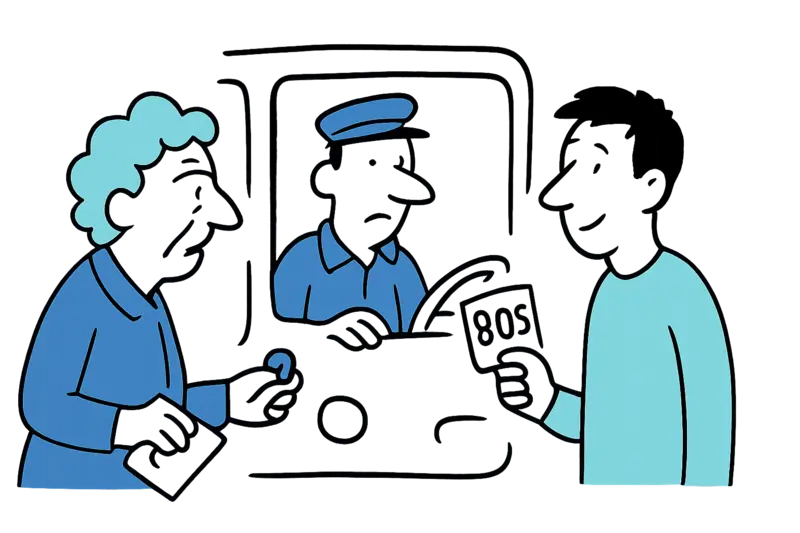
Late morning at the Avingudes stop, bus 1 is waiting, the air conditioning hums, at the kiosk on Passeig Mallorca two pensioners buy a newspaper. One of them does not pull out a chip card, pays cash and frowns when the driver says three euros. She does not live centrally and has used the bus only rarely until now. Nearby a young father with a stroller swipes open the door, his Tarjeta is stored on his phone; he pays via app, taps, and the monthly price hardly matters to him. This small scene shows how quickly a system sorts users – not by need, but by tech affinity and routine.
Concrete solutions
Politics can mitigate the social risks without torpedoing fare harmonization. Proposals:
1) Monthly price caps: A transparent ceiling (e.g. as proposed by Més) for those in need and frequent users prevents unexpected burdens.
2) Transition and information phase: Three to six months during which cash payers are informed at reduced cost and helped to register for the Tarjeta Única – with mobile booths at market days.
3) Need-based discounts: Social passes instead of blanket reductions: targeted support for small pension recipients, single parents and the unemployed.
4) Clear financial transparency: Disclosure of which amounts are covered by city, region and state; a publicly accessible table with budget items.
5) Evaluation and monitoring: An independent report after six months on actual usage, shifts in travel behavior and social effects.
Conclusion
The fare reform organizes the system, but it reallocates burdens – often in favor of tech-savvy regular customers. Without clear funding guarantees from Madrid and without social protection mechanisms, the bill risks falling on those who can least afford it: households with tight budgets. Palma can use harmonization to make public transport more attractive; but for that it needs transparency, transition measures and binding caps for the most vulnerable. Otherwise the major overhaul will quickly become a small restructuring with major side effects.
Frequently asked questions
What changes are happening to Palma's bus fares and who pays?
Will residents of Mallorca still travel free on public transport?
What is Tarjeta Única and how does it work in Mallorca?
What social protections are proposed for low-income travellers in the Palma fare reform?
How does the reform affect cash-paying riders versus card users in Palma?
When is the Tarjeta Única transition and how can people register in Palma?
What questions remain open about the Palma fare reform?
Could this fare reform change travel behavior or car use in Mallorca?
Similar News
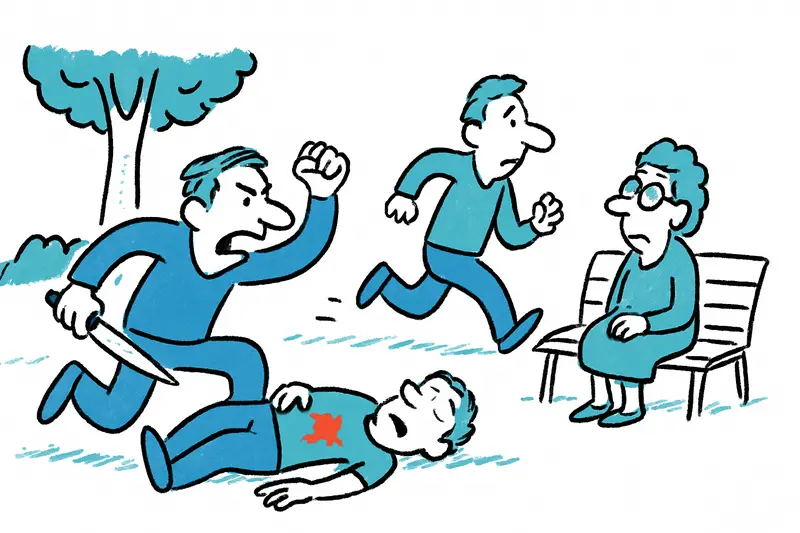
Bloody clash in Canòdrom Park: What is missing in addressing violence on Mallorca's streets?
At midday on October 23, an 18-year-old man was critically injured in Canòdrom Park in Palma. The attack raises question...
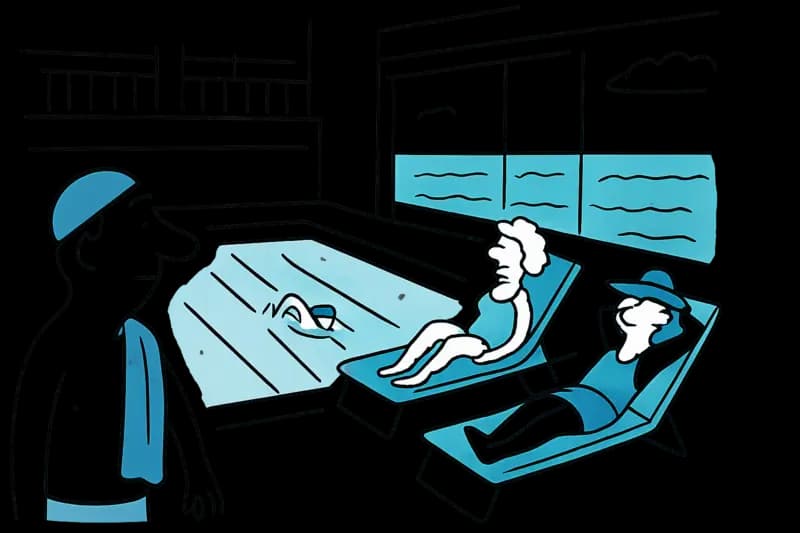
Palma's New Indoor Pool: Sea View, Sunbeds and Space for Everyone
At Aigua Dolça, near the Paseo Marítimo, Palma has a new municipal indoor pool. For a small fee people can now train, re...
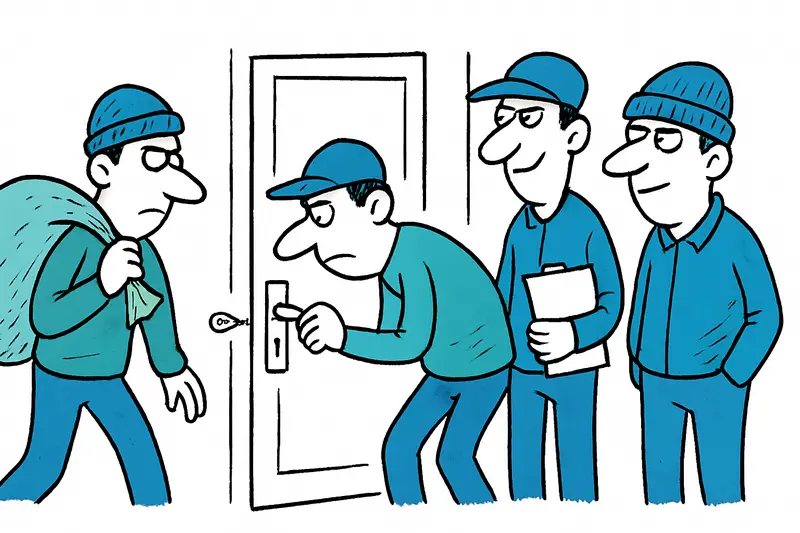
How Four Burglars Emptied Ten Houses with a Simple Trick — and What It Means for Mallorca
Four men used the impressioning technique, posed as delivery workers and accepted two years in prison. A reality check f...
Bundles of Drugs, Containers and Open Questions: A Reality Check for Mallorca
3.3 tonnes of marijuana, 80 kilos hidden in golf-ball vending machines and a 44-year-old German released on conditions i...
Rats in Llucmajor: Who clears the streets, who stops the infestation?
In Llucmajor rat sightings and uncollected waste have increased after rain. A local check reveals gaps in cleaning, sewe...
More to explore
Discover more interesting content

Can Cap de Bou

Townhouse Lleo 72
