
Rats in Llucmajor: Who clears the streets, who stops the infestation?
In Llucmajor rat sightings and uncollected waste have increased after rain. A local check reveals gaps in cleaning, sewer maintenance and pest control - and simple measures that could help immediately.
Rats in Llucmajor: Who clears the streets, who stops the infestation?
After heavy rains rodents emerge from the sewers. Residents complain about uncollected garbage, dead rats on the road and countless stray cats.
In the early morning, when the first cars pass along the Ronda de Migjorn and the damp asphalt still carries the smell of earth and old rubbish bags, residents see the problem with their own eyes: black plastic bags next to sidewalks, half-open containers, and occasionally dead rats on the roadway. Especially around Avinguda de Carles V and near the sports field people report large rodents coming out of the sewers after heavy showers.
Guiding question: Who is responsible for the hygiene chaos – the municipality, the contractors, or the residents themselves?
Critical analysis: The obvious causes are multiple and overlapping. Standing or uncollected waste provides food and shelter. Heavy rain floods sewers and forces animals to the surface. If street cleaning and collection fail on certain days or containers are left open, hotspots for rats emerge. Added to this are strays, particularly cats, that feed on waste and increase the perception of an uncontrolled animal population.
In public debate a systemic perspective is often missing. Reports focus on individual sightings, but rarely on the chain of causes: contract design with waste companies, checks on collection frequency, condition of the sewers, and coordinated pest control. The daily reality of cleaning crews is also seldom discussed: How many vehicles are in operation? Are there sufficient staff resources on rainy days? How quickly can backup be provided for overflowing containers?
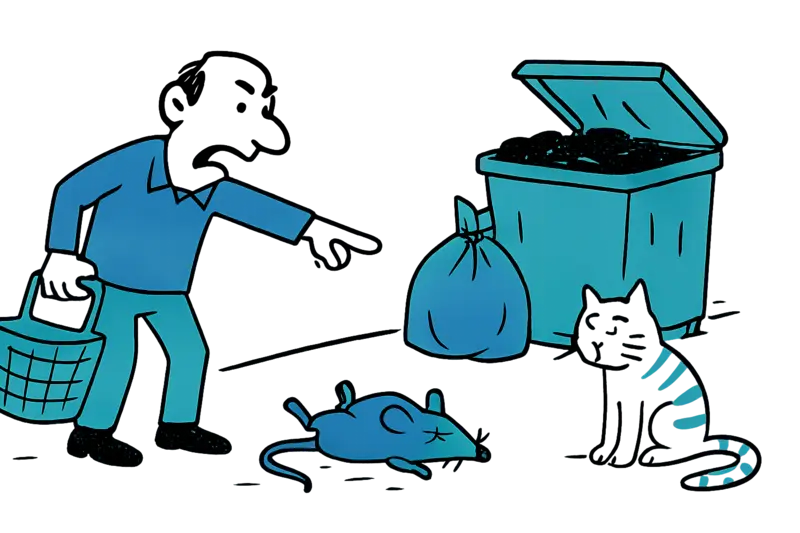
An everyday scene from Llucmajor: An older man from a side street pushes his shopping trolley along the ronda. He stops, points to a rat crushed by a tire and mutters: 'This can't continue like this.' Children later run across the sports field; parents speak of fear of disease when dead animals remain on sidewalks. In the evening a cat howls in a residential area, its meowing mixing with the distant sound of streetlights – a setting that no one finds romantic.
What is missing now and what should happen immediately:
1. Short-term measures (within days): A focused cleaning operation in affected streets; targeted collection and safe disposal of dead animals; temporary sealing or increased monitoring of overflowing containers after rain; mobile collection points so that rubbish does not remain on sidewalks.
2. Medium-term measures (weeks to months): Technical inspection of the sewer system for access openings and backflow points, regular baiting and monitoring programs by a licensed pest control company, binding service agreements with clear response times for waste collection, information campaigns for households on properly securing organic and residual waste.
3. Long-term strategy: An integrated urban hygiene and animal management plan: permanently secured waste containers (lockable, animal-resistant), widespread cat protection programs (neutering, registration), digital reporting systems for citizens with feedback from the municipality, and transparent reports on cleaning and control measures.
A concrete, practical proposal: The municipality could temporarily place lockable large containers in affected neighborhoods and at the same time carry out an intensive three-day cleaning action. Parallel to this, a 14-day monitoring by specialists who set traps, baits and measuring stations and hand over the data to the municipality. Such measures would buy time and reassure residents until contract changes or structural investments take effect.
What rarely appears in the discussion: the responsibility of the users. Open organic waste, poorly tied bags and food leftovers in front of houses invite rodents. A combined strategy must therefore link technical solutions with behavior change. The municipality can provide rules and infrastructure; residents must cooperate.
Punchy conclusion: Llucmajor faces a simple test: Who organizes keeping the town clean – and how quickly will action be taken when rain affects the sewers and drives animals onto the streets? Without short-term cleaning actions and long-term coordinated measures the situation will repeat. The question remains whether the stakeholders – administration, waste contractors and residents – will act together now or whether the rats will remain the visible answer to neglected infrastructure.
One last note to readers: If you notice a missed cleaning date, open containers or dead animals, document the date and location and send the information to the municipal administration. Visibility and concrete reports increase pressure - and in a coastal town where calm often returns after rain, swift action is the best defense against the next surge of rodents.
Frequently asked questions
Why do rats appear in Mallorca towns after heavy rain?
Who is responsible for street cleanliness and pest control in Mallorca towns like Llucmajor?
What short-term steps can towns take to reduce rat hotspots after rain in Mallorca?
What medium- to long-term strategies help Mallorca towns manage hygiene and rodent problems?
What can residents do to help prevent rodent problems in Mallorca towns like Llucmajor?
How are dead animals and overflowing containers handled during a rat situation in Mallorca?
Why is a systemic approach necessary to address rodent problems in Mallorca rather than focusing only on sightings?
Is there a way for residents to report cleaning gaps or rodent sightings in Mallorca towns?
Similar News
Who will clean up? Illegal rubbish heaps on the highway near Son Gual drive residents onto the streets
For months, construction debris and household waste have piled up along the highway between Palma and Manacor near Son G...

Amundi takes over Bikini Island & Mountain Port in Sóller – many questions remain open
The French asset manager Amundi has acquired the four-star Bikini Island & Mountain Port hotel in Sóller from an Austria...

Silvia was allowed to see the sea once more – a small farewell in Port de Soller
A team from the Balearic health service IB-Salut fulfilled a terminally ill woman's wish: one last trip to the water in ...
Magaluf: Imprisonment for Beach Club Employee after Theft of a Bag — What the Ruling Overlooks
A former dishwasher received a one-year prison sentence for stealing a Louis‑Vuitton bag. The appellate court upheld the...

Road collapse at Port de Valldemossa: Who will pay for the next wave of damage?
A section of the MA-1131 near Port de Valldemossa slipped after heavy rains from cold front "Adam". Residents are strand...
More to explore
Discover more interesting content

Can Cap de Bou

Townhouse Lleo 72
