
Road collapse at Port de Valldemossa: Who will pay for the next wave of damage?
Road collapse at Port de Valldemossa: Who will pay for the next wave of damage?
A section of the MA-1131 near Port de Valldemossa slipped after heavy rains from cold front "Adam". Residents are stranded, experts are inspecting, and repairs will take time and money. We ask: could this have been avoided?
Road collapse at Port de Valldemossa: Who will pay for the next wave of damage?
Main question: Could the closure of the MA-1131 have been prevented — and what now?
On Tuesday evening around 9:30 p.m., a retaining wall on the mountain road MA-1131 to Port de Valldemossa gave way; parts of the carriageway collapsed. The result: the connection to the harbor is initially severed, two sections are damaged, and residents cannot enter or leave as usual. The road will remain closed until specialists have inspected the slope and safe measures have been implemented.
In short: a piece of daily life has vanished. The tourist buses that used to rumble down the narrow road now stay up top, suppliers ring in vain, and in some households in Port de Valldemossa the cupboards are noticeably emptier than usual. On the Passeig in Valldemossa you can hear the distant drip of rain in the morning, and the smell of wet stone hangs in the air — small signs that the island has just been shaken up.
Critical analysis: such landslides have causes that go beyond a single storm. Heavy rain from cold front "Adam" saturated the soils, as seen during other events with flooded streets and mudslides on Mallorca, but unstable slopes, insufficient drainage and dilapidated retaining walls turn every intense precipitation event into a risk. The MA-1131 is an old mountain route; backlog in maintenance and a lack of funds for preventive slope stabilization are not uncommon on Mallorca. When a retaining wall fails at such an exposed location, it is rarely just bad luck — past incidents such as the rockfall on the Ma-2141 at Sa Calobra underline this.
What's missing in the public debate? Three things: first, transparent information about the frequency and prioritization of road maintenance work on the island; second, a clear breakdown of costs that will arise in the short term (emergency repairs) and long term (slope stabilization); third, a plan for how residents can be better supplied and informed during road closures. So far, reports focus on damage rather than on causes or prevention.
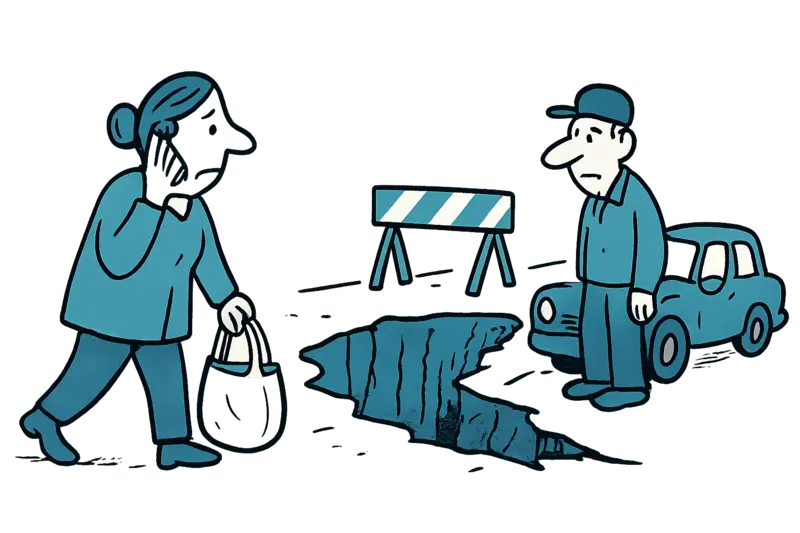
Everyday scene: On Wednesday morning I imagined a neighbor from Port de Valldemossa shouldering her shopping bags and stopping at the cordoned-off point. She calls the supermarket and calmly says she will stay home today. Further up, a fisherman parks his old Peugeot and looks toward the breach with narrowed eyes — more worried about the next season than panicked. These are the small dramas when infrastructure suddenly becomes unreliable, echoing earlier local incidents such as the accident near Valldemossa that highlighted rescue-route concerns.
Concrete solutions for now and the future:
Short term: 1) Immediate assessment by geotechnical experts to rule out further collapses downhill. 2) Erect a temporary closure with detours and clear signage so that emergency services and suppliers get priority. 3) Check supply lines: does the harbor have alternative delivery routes by boat? If possible, coordinate quickly with the municipality and local fishermen to bring food and medicine.
Medium term: 1) Temporary support measures (gabions, net reinforcements, drainage pipes) so the road can be made passable quickly without destroying the landscape. 2) An accelerated procedure for households in emergency situations so families suffering income loss from road closures receive interim support.
Long term: 1) An inventory of all parallel coastal and mountain roads on Mallorca with prioritization according to risk and user numbers. 2) Investment in slope drainage and solid retaining walls instead of repeated patchwork repairs. 3) Expansion of early warning systems: soil moisture sensors, automatic runoff measurements and closer integration with AEMET warnings and lessons from Storm Alice that flooded the MA-15 at Porto Cristo. 4) Involvement of municipalities in decisions and budget planning — local priorities are often more nuanced than central spreadsheets.
Financing is the big issue. Emergency repairs are expensive, preventive measures even more so — but they pay off when repetitions are prevented. A mix of regional funds, EU climate adaptation funds and island government reserves would be necessary. Transparency in awarding contracts and setting priorities is mandatory, not optional.
What political leaders and administrations should do now: publish the technical assessment, provide a realistic timetable and set up a contact point for affected households. Too often residents are left alone with their questions. A telephone hotline or a local office that organizes supply chains can make a difference on days like these.
Another risk: when the tourist season restarts after winter, construction and detours could once again affect the charm of the places and disrupt people's daily lives. Therefore it is wise to plan repairs so they hold at least in the medium term and do not have to be dug up year after year.
Punchy conclusion: The collapse on the MA-1131 is not an isolated event but a symptom. Rain is weather, but we decide whether it becomes a catastrophe — through planning, investment and organization. Mallorca is good at repairing acute damage; that is no longer enough. Those who invest in sustainably securing the edges of our roads protect not only stones but lives and livelihoods. The question remains: do we wait for the next emergency or start systematic prevention now?
Practical advice for those affected: stay away from the closure, follow the instructions of local authorities and register if a hotline is set up. Secure documents and photos for possible damage claims with insurers or authorities. And: support neighbors who are not mobile — often a simple run to the shops helps more than many words.
I will continue to monitor the situation, await expert reports and report as soon as reliable dates for the start of repairs and reopening are available. Until then: caution, solidarity and some patience — Mallorca needs all three now more than ever.
Frequently asked questions
What caused the road collapse on the MA-1131 near Port de Valldemossa?
How long will the MA-1131 closure last and what does it mean for residents and visitors?
What immediate steps should authorities take to manage a road collapse like this?
What long-term measures could Mallorca implement to prevent road landslides like this in the future?
What should residents and visitors do during a road closure in Port de Valldemossa?
How does Mallorca's weather influence road stability and what signs should people watch for?
Are there plans to improve emergency supplies and communication during closures in Mallorca?
What role do municipalities play in planning Mallorca's road safety and budgets?
Similar News
Pollença manages Cala Molins itself: Who pays — and what will it look like in the end?
Pollença town hall takes over planning for a coastal plot in Cala Sant Vicenç that has been used informally. The area is...
Storm 'Adam' paralyzes flight operations – and what Mallorca must learn
Heavy rain from low 'Adam' caused dozens of delays, numerous diversions and cancellations at Palma airport. Why does suc...

Local Imbalances: Why Some Places on Mallorca Flood While Others Stay Nearly Dry
Heavy showers were distributed extremely unevenly across the island on Monday: Lluc recorded 53.2 l/m², Binissalem 46.2,...
Nightmare 'Dana/Adam': Why the brown water at Cala Llamp is only a symptom
Heavy downpours turned Cala Llamp's water brown and flooded streets. Key question: How well is Mallorca prepared for suc...
Dana "Adam" paralyzes airports: What the many cancellations mean for Mallorca
Storm "Adam" caused 64 canceled flights and 16 diversions on Mallorca and Ibiza. An analysis of what lies behind the num...
More to explore
Discover more interesting content

Can Cap de Bou

Townhouse Lleo 72
