
Santa Catalina: Man reportedly lived for a month with his dead mother – questions for the city
In an old apartment on Carrer de la Reina, police discovered an around 80-year-old woman at the beginning of October. According to investigations, her son lived for months alongside the corpse. The case raises urgent questions about loneliness, care and mental health in Palma.
Santa Catalina under scrutiny: Why did the death go unnoticed for so long?
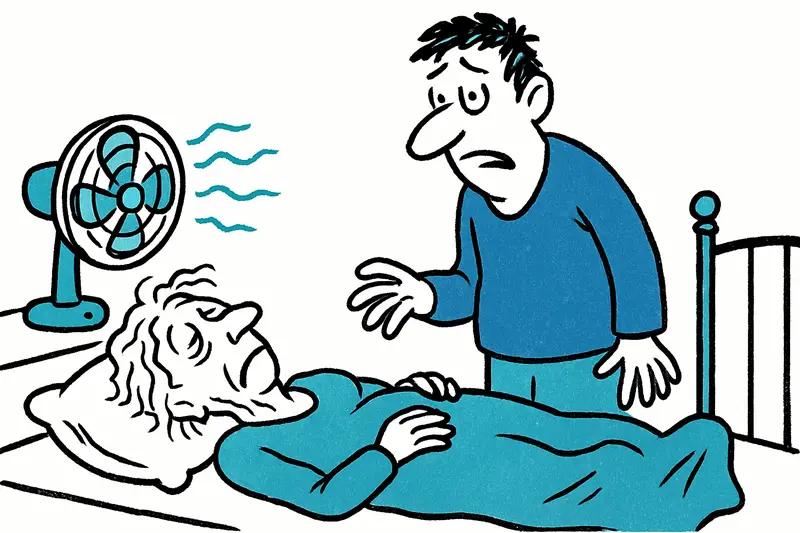
On a cool October morning, as delivery bikes and coffee machines in the street cafés slowly came to life, something slipped into the irreparable: In a narrow apartment near the Carrer de la Reina, the National Police found an approximately 80-year-old woman dead, a case reported in Body Found in Santa Catalina: When an Entire Neighborhood Didn't Notice. According to initial investigations, her son, in his mid to late thirties, is said to have lived in the apartment for about a month while the mother was already dead. A fan was running, music played — small, strange routines that are now silent witnesses.
The central question
How can it be that in a lively neighborhood like Santa Catalina the death of an elderly woman remains undiscovered for weeks? This question is not only relevant for the criminal investigation; it strikes at the heart of the neighborhood and the city’s care network. According to police, the body was already heavily decomposed; an autopsy will determine how and when the woman died. But the investigations must think further: it's about prevention, social networks and gaps in care.
What the circumstances reveal
Neighbors report an unusual smell and occasional loud music — details that later prompted the emergency call. That a fan and radio were running seems like an attempt to simulate everyday life or to mask odors. The son is said to have had psychological problems; whether his behavior resulted from confusion, fear or shame is unclear. One thing is certain: there were no visible external injuries and so far no indications of a crime have been confirmed.
The quiet signals that were ignored
Santa Catalina is lively during the day: cafés, delivery workers, windows opening and closing. And yet the neighborhood is also shaped by narrow stairwells, brief encounters and closed apartment doors. Often it is precisely these small contacts that provide signs of life for older people. In this case they appear to have been absent or not sufficiently noticed. Neighbors say the apartment was visited less frequently; older residents had withdrawn.
What is missing from the discussion
We rarely talk concretely about the interfaces: Who checks on seniors living alone in the neighborhood? When do health and social services step in? What role do property managers, postmen or garbage collectors play when living conditions change? Responsibility is often diffusely distributed — until an event like this concentrates all questions. Mental illness within a family, bureaucratic hurdles to access health services and a lack of neighborhood organization are factors that converge here.
Concrete proposals instead of powerlessness
Voices from the neighborhood suggest initial measures that don't require much money but do need organisation: regular, coordinated visitation services by municipal social workers; involving local shopkeepers and cafés in simple reporting chains; training for property managers, postmen and refuse collectors to report noticeable changes; and low-threshold psychological support for relatives overwhelmed by stressful situations. The city could also pilot a system that triggers alerts after prolonged absence or missing routines — technically simple, socially useful.
What happens now
Forensics and the homicide division are working; the state autopsy should bring clarity, as outlined in Body in Santa Catalina: Why the death went unnoticed for weeks. Until results are available, many questions remain open — and the concern in the streets of Santa Catalina remains tangible: shuttered windows, fewer voices on the corner, the familiar honk of a delivery van that now sounds quieter. For the relatives, the case above all means one thing: a rupture that heals poorly.
This incident is a sad reminder that proximity in Palma does not automatically mean protection. If we want to learn, city authorities, social services and the neighborhood must come closer together — not out of sensationalism, but out of care for one another.
Frequently asked questions
Why did the death in Santa Catalina go unnoticed for so long?
What are the signs that something may be wrong with an elderly neighbour in Mallorca?
What should residents in Palma do if they suspect a vulnerable person is not being seen?
Can mental health problems make family care situations more difficult in Mallorca?
What happens after a body is found in a flat in Palma?
How can neighbours in Santa Catalina help elderly residents stay connected?
Does Mallorca have enough support for older people living alone?
Why is the Santa Catalina case being seen as a concern for Palma?
Similar News
Who Gets Left Out? Why Overbookings Will Hit Many Mallorca Travelers This Summer
On hot check-in days at Son Sant Joan, frustrated travelers pile up. New figures from Reclamador.es show that a large sh...
When the Handyman Came: How an Engagement Ring Disappeared in Mallorca and What It Says About Trust
During a repair in Andratx a highly personal engagement ring went missing — a case that calls not only for punishment bu...
How Burglars Test Fincas in Mallorca — and What You Can Do About It
The Spanish National Police warn of a simple but effective trick: small markings on doors reveal whether a finca is occu...
Palma doubles blue zone: What this means for residents, tourists and narrow streets
From 1 January 2027 Palma's ORA area will grow from around 12,000 to 24,000 spaces. Key question: Will the expansion bri...
Engagement ring disappears during repair: court upholds prison sentences for plumber and partner
During a heating repair in an apartment in Andratx an engraved engagement ring disappeared. After a trace to a pawnshop ...
More to explore
Discover more interesting content

Can Cap de Bou

Townhouse Lleo 72
