
Elyxir and the Night: A Swinger Club in Palma between Privacy, Rules and the Neighborhood
Elyxir and the Night: A Swinger Club in Palma between Privacy, Rules and the Neighborhood
A venue in a side street near Les Maravelles opens its door in the evening to couples from all over Europe. What remains hidden behind the sign, and what questions does that raise?
Elyxir and the Night: A Swinger Club in Palma between Privacy, Rules and the Neighborhood
Guiding question: How can the right to anonymous leisure activities be reconciled with transparency, health protection and the interests of the neighborhood?
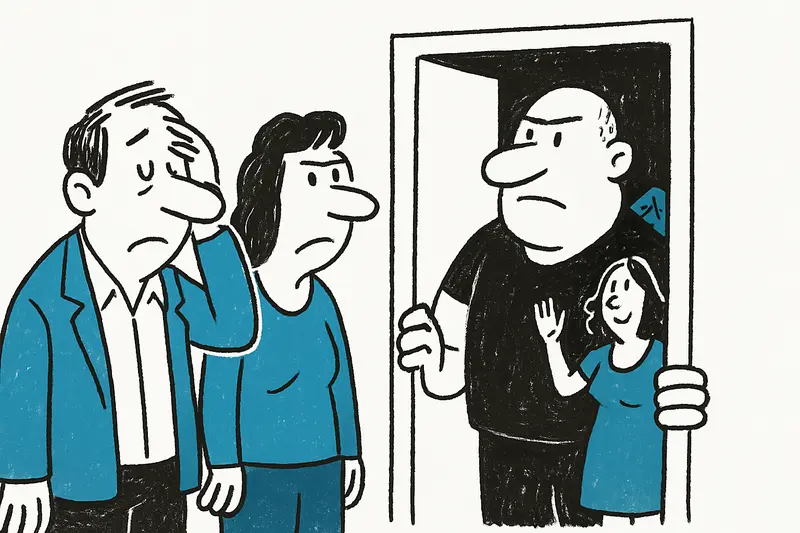
In an inconspicuous side street near the Palma Aquarium, a small sign hides a venue that many here only name in whispers. In the evening you ring the bell, and Ingo — an entrepreneur who has lived on the island for years with Austrian roots — and his partner Mia open the door. Those who enter first find a relaxed bar, black-and-white balloons on the floor and reggaeton playing from the speakers. Behind the front area stretches a labyrinth of niches: a smoking room, showers with bathrobes, an area lit in dim red, beds with curtains and rooms for rougher play. Max stands at the bar, serving drinks and keeping an eye on things.
A few rules shape the evening: phones are placed in lockers, prostitution is explicitly excluded, neat clothing is requested, and people in swimwear or obviously heavily intoxicated are not admitted. Visitors come from various European countries, are of different ages and body types. Many seek discretion, others look for the experience of trying something new. In the back area, consent and the woman's decision are said to be the guiding principles.
That is the description — and the point at which important questions begin. Clubs of this kind are part of the nightlife; they create spaces for intimate encounters that are meant to take place away from everyday eyes. But they do not only concern the guests: operators, neighbors, local authorities and the general public have legitimate interests. The pragmatic dilemma is: How much secrecy does the place need to protect guests without losing sight of transparency, legal certainty and neighborhood interests?
First point of analysis: privacy versus safety. The desire for anonymity is understandable — no one wants to be photographed in a scene or exposed online. The practice of using lockers is therefore sensible. At the same time, the question remains how operators can minimize technical risks: secure locker systems, clear rules on handling recordings and orderly processes for conflicts. Such measures are not state interference with sexual self-determination but basic protection for guests and staff.
Second point: health and hygiene. Available condoms and shower facilities are a good start. Yet public debate often lacks a sober view of prevention and information: accessible information on sexually transmitted infections, voluntary testing offers in cooperation with health services or informational material in several languages would make the venue safer — without criminalizing the leisure experience.
Third: labor and consumer protection. Legally, a club does not differ fundamentally from other hospitality or event venues. Employees need clear work contracts, training in de-escalation and first aid, and a safe room when an incident occurs. For guests, rules on admission, dress code checks and payment procedures should be provided in writing — this builds trust and reduces disputes.
Fourth: the neighborhood. In the morning the street sweeper drives down the calle, delivery vans park, voices preparing an early market mix with the sound of buses. Noise, late opening hours and increased foot traffic are real effects, documented in Sleepless Nights in Nou Llevant. What is often missing in public discourse is a binding interface: operators, neighborhood representatives and the town hall should hold regular talks to discuss shift-change times — and policies like nightclubs opening from 6:00 PM in Calvià — soundproofing or controlled routing of paths. Such agreements serve both sides: the night operation and daily life on the surface.
What is often missing in the debate is a sober weighing between moral rhetoric and practical solutions. It is not about judging a particular lifestyle but about rules that protect privacy, promote health, create legal certainty and respect the neighborhood. Failing to implement rules can contribute to incidents, as reported in Seven People, One Trunk: Why Palma's Nights Are More Often Going Wrong.
Concrete proposals for Palma and similar places on Mallorca: 1) A transparent, publicly accessible list of operator requirements so residents know which permits apply; 2) Requirement to display a simple privacy notice and technical security for lockers; 3) Voluntary cooperation with health centers for information offerings and testing campaigns; 4) Discounts or grants for soundproofing measures when neighborhood agreements are concluded; 5) Mandatory training for staff on consent, de-escalation and hygiene; 6) An anonymous complaint portal at the town hall that mediates conflicts before they escalate.
Everyday observation: If you walk along the Passeig Mallorca on a cool morning, you often smell freshly ground coffee and see cleaning staff and delivery people. The city lives from its contrasts — families on the promenade by day, people at night searching for what everyday life does not offer. A venue like Elyxir is part of this fabric, alongside quieter spots highlighted in Palma's Quiet Favorites: Where Neighborhood Still Comes to the Table. Only if we clearly name and consistently enforce rules will there be room for private spaces without disturbing public life.
Conclusion: A swinger club in Palma is not a scandal per se but a test for good local policy. Those who value discretion and freedom should at the same time insist on professional standards: for privacy, health and good coexistence with the neighborhood. That protects guests, staff and the island we all experience every day — from the side street to the Passeig.
Frequently asked questions
What should you expect from a swinger club in Palma like Elyxir?
How do swinger clubs in Mallorca protect guest privacy?
What health and hygiene standards matter in a Palma nightlife venue like Elyxir?
What kind of dress code do swinger clubs in Mallorca usually ask for?
Is consent especially important in Palma swinger clubs?
How can a nightlife venue in Mallorca avoid disturbing the neighborhood?
What kind of staff training should a Palma adults-only club have?
Why does a discreet club in Palma need clear written rules?
Similar News

Parking dispute in Els Hostalets: When a gap leads to violence
A parking dispute on Calle Aragón escalated into a mass brawl at night. Why do trivial conflicts here turn bloody so qui...

Bodycams in Palma: More clarity needed so surveillance doesn't become the norm
Palma's local police equip UII officers with Axon Body 4 cameras. Useful for evidence collection — but specific rules on...

When the Bread Door Closes: Why Maria de la Salut Lost Its Last Bakery
The only bakery in Maria de la Salut, a sales outlet of Forn de ca'n Joan Terès from Palma, has permanently closed. What...

Ancient Piece Brought to Light: Guardia Civil Recovers Roman Anchor Fragment off North Coast of Mallorca
Divers from the Guardia Civil recovered a massive iron piece from Roman times off Mallorca's north coast. The roughly 35...

Who Benefits from the Half‑Hourly Flight on the Edge? Aena, Investments and the Island's Interests
Almost one billion euros is flowing into Son Sant Joan. The figures show the scale of investment and expected beneficiar...
More to explore
Discover more interesting content

Can Cap de Bou

Townhouse Lleo 72
