
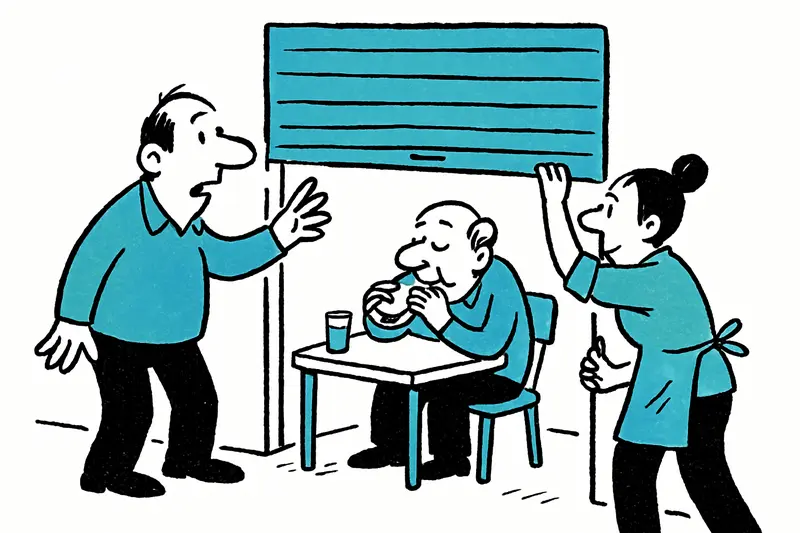
Palma's Quiet Favorites: Where Neighborhood Still Comes to the Table
Between the Passeig and the side streets hide places that don't need likes: honest food, fixed prices and neighbors who still know each other. A walk off the tourist paths leads to wood-fired pizza, simple cafés and rustic family restaurants — small islands of everyday Mallorcan culture.
Palma's Quiet Favorites: Where Neighborhood Still Comes to the Table
When the jingle of tourist buses turns the Passeig into a photo studio, the side streets breathe a sigh of relief. Behind unobtrusive signs and half-drawn shutters lie places that don't have to sell themselves with hashtags. Here it's about food that fills you up, a drink that pauses the afternoon, and conversations that need no translation. No glossy finish, but character — and sometimes the best value in the city.
Pizza Like at Auntie's House
In a small pizzeria on C. Marqués de la Fontsanta everything revolves around craftsmanship: wafer-thin base, crispy edges, four cheeses that don't show off but harmonize. The oven crackles, plates clatter, and the waitress calls regulars by name — a small ritual that causes queues at lunchtime. Not because it's trendy, but because the portions and the mood are right. You leave with warm fingers and one more story in your pocket.
Cafetería with Soul
Further toward Alfons-Magnànim there's a cafetería where Miki and Andra know their guests — not just their preferences but often their age. A bocadillo with Burgos cheese, tomato and avocado costs barely five euros and fits perfectly into the city's hurry: to take away, to eat at the counter, or to drink coffee while standing by the scooter lane as the clack of helmets and the rustle of the local paper set the rhythm. Places like this remind you that Palma also has perfectly ordinary days; see Regulars' Tables vs. Hipster Glamour: Palma's Affordable Local Pubs in Transition.
Rustic Cuisine, Fair Prices
On the Carretera de Valldemossa a rustic restaurant greets you with fish and meat dishes priced around twelve euros. The owner moves slowly, with a greeting, a joke and a scrutinizing look at the plate. Families share tapas, children play under the tables, and conversation turns to football, the weather or the last village festival. Here stopping to eat is not a performance but everyday life — cozy, loud and honest.
Between these addresses there are more surprises: a hot-dog stand with homemade sauces, a Chinese shop near the Plaza de las Columnas with surprisingly fresh salads, a bar on Calle 31 de Diciembre that serves an inexpensive three-course menu in the evenings, and events such as TaPalma is on: A weekend of tapas through Palma's Old Town that turn parts of the city into a tapas playground. All these places have one thing in common: you pay a fair price and take away more than just food — an anecdote, a smile or a new favorite dish.
The sound that unites these places is not a global roar but the clink of glasses, the scraping of chairs and the occasional laughter of two neighbors. In summer the scent of sea and orange blossom mixes in; in winter warm kitchen air drifts through open doors keeping the cold out. They are small symbols of real island life.
Tip: To find such places, leave the main axes and go into residential neighborhoods. Follow the lunchtime noise, look where scooters are parked, or listen for the sound of kitchens. An open ear and a little patience pay off — often it's the second or third side street where the real Palma waits.
Why does this matter? These places sustain neighborhoods, offer affordable meals and serve as meeting points for people who live and work on the island. In a city that lives off tourism, they are small islands of normality — showing that Mallorca can be loud, quiet, chaotic and warm-hearted at the same time; contrast this with concerns raised in Mallorca's Restaurants: Too Much Sameness, Too Little Courage — How the Island Rediscovers Its Flavor. Most often there is the smell of freshly brewed café con leche.
If we preserve these places, we keep more than flavor: we preserve a daily culture. It costs little — respect, a small tip or a compliment — and returns much: a piece of identity that endures between clattering plates and street noise. For a moment Palma feels like family. And that, regardless of season or beach sand, is a small happiness in the middle of island life.
Frequently asked questions
Where can I find affordable local food in Palma, Mallorca?
What are the best everyday lunch spots in Palma for locals?
Is Palma, Mallorca good for finding family-run pizzerias?
What kind of food can I expect in Palma’s quieter residential neighborhoods?
What is a good cheap meal in Palma near the city center?
What should I eat at a local cafetería in Palma?
Are there rustic restaurants in Palma with fair prices?
When is the best time to look for local food places in Palma, Mallorca?
Similar News

Suspicion of Date-Rape Drugs in Palma: Trial, Questions and the Gaps in the Protection System
A German man is on trial at the Palma court accused of rape; prosecutors suspect date-rape drugs were involved. What is ...
Raid at Playa de Palma: When Homemade Bars Become a Problem
Between September 11 and 13 police at Playa de Palma seized 18 speakers and issued 24 charges. Who draws the line betwee...
Burglary in Llubí: Arrest Raises Questions About Security in Mallorca's Countryside
A 21-year-old was arrested in connection with a burglary in Llubí. Cash, jewelry and electronics worth around €40,000 we...

Lost Trust: How a Phone Theft in Peguera Exposes Police Responsibilities
A 90-year-old holidaymaker is robbed in broad daylight in Peguera. His passage through police stations and taxi receipts...
When many security screeners suddenly fell ill: Who protects the passenger?
Short-notice sick reports at a large security company led to long queues at Cologne/Bonn airport. A reality check for tr...
More to explore
Discover more interesting content

Can Cap de Bou

Townhouse Lleo 72
