
When the Doorbell Becomes a Risk: How Palma Should Better Protect Seniors from Fake Technicians
Two alleged technicians swindle an 80-year-old in Palma. Why older people are particularly affected, which systemic gaps perpetrators exploit, and which concrete protective measures are needed now.
When the doorbell becomes a risk: Senior in Palma loses cash
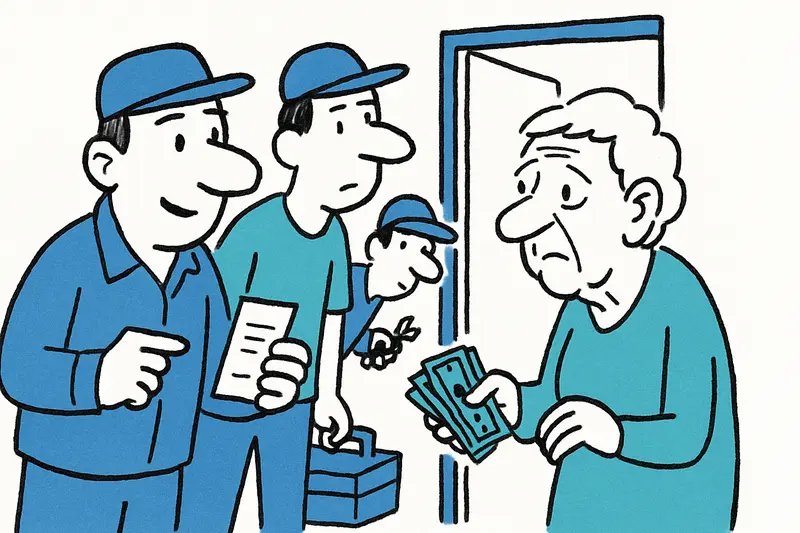
On an otherwise quiet morning in Palma's old town, with church bells still echoing through the alleys and a moped quietly humming along the carrer, the doorbell of an 80-year-old woman rang. Outside stood two men, one in a dark jacket, the other casually dressed. They claimed to be from the energy supplier. After a brief inspection they said they had found a gas leak and demanded almost €200 in cash for immediate measures. The woman paid, received a handwritten receipt — and only later noticed that her provider had no record of any dispatch, as reported in Falsos técnicos estafan a una mujer de 80 años en Palma – cómo debe ser la protección.
The central question
Why do doorstep scammers often target older people? It's not merely a lack of imagination on the part of the perpetrators, but a deliberate exploitation of social routines: elderly people tend to trust more, do not want to appear rude, less often have digital confirmation apps at hand, and expect that legitimate appointments are announced in advance. It is precisely this expectation gap that offenders exploit. A healthy dose of distrust at the door therefore becomes a protective strategy.
More than an isolated case: patterns that should raise suspicion
The Palma case shows typical characteristics: accompaniment by a juvenile (around twelve years old), insistence on cash payment, a convincing-looking but handwritten receipt, and a quick getaway. The presence of a child creates calm in the victim and distracts potential witnesses. Public discussions about such cases often remain superficial: it is rarely addressed how attacker lists are compiled from third-party sources, how poorly procedures are communicated by some suppliers in practice, or how few contact points are visible for insecure citizens.
Why authorities and companies must act now
The National Police have opened an investigation and are asking for information about license plates and descriptions. That is important, but not enough. Prevention requires structural measures — not just appeals to the public. Concrete proposals:
- Central callback confirmation: Every company that sends technicians should offer a free callback number. A short check of name, ID number and planned work gives older people security.
- Standardized service IDs with QR code: An official-looking service ID whose QR code provides immediate online confirmation makes misuse more difficult. The scan should show date, time and employee name.
- No cash payments at the door: Companies must communicate that cash payments are uncommon. Mobile card terminals or invoicing by post/email should be the standard.
- Binding appointment notifications: An SMS or call window (e.g. 30 minutes' notice) prevents strangers from simply appearing at the door.
- Training and local awareness: Short workshops in communities, care homes and neighborhood meetings with real case examples from the area help more than general warnings; local reporting such as Cuando el pitido falla: por qué las pulseras de protección en Mallorca no son suficientes offers related context.
What neighbors, relatives and communities can do in practice
Protection begins in the neighborhood. A simple WhatsApp group for the street, a handwritten notice in the stairwell or a neighborhood helper network are very effective. Tips to remember: note license plates, exact time, appearance and accent of the people. Ask elderly neighbors not to open the door alone if in doubt — a quick call to a neighbor or the building manager often helps immediately.
What affected people should do immediately
Anyone who has already paid should immediately inform the National Police, contact the alleged supplier and check bank or card transactions. Filing a report is sensible even for cash payments: witness statements and descriptions (direction of travel, vehicle type, child) are crucial. Photograph the receipt or the vehicle if possible. Every small piece of information can help the investigation.
A perspective often neglected in public debate
Even if prevention campaigns start, two questions often go unanswered: Where do the address data used by attackers come from? And why are some administrative processes so opaque that confusion arises? There are indications of trade in outdated customer lists or information leaks in third-party directories. Here, data protection and data minimization must be enforced more strongly — and controls of service providers tightened.
Final note: Distrust is not an affront
The bitter lesson from the Palma case is simple: trust is precious, and scammers are skilful. A healthy degree of distrust at the doorstep is not rudeness but self-protection. While the police investigate, the island community can significantly reduce the risk for older residents through simple structural changes — from QR services and binding payment rules to locally organized neighborhood networks. If you have observed anything, please report it to the National Police via the Spanish National Police website. Every piece of information helps prevent follow-up offenses and protect further victims.
Frequently asked questions
How can older people in Mallorca tell if someone at the door is a real technician?
What should you do if someone in Mallorca asks for cash for urgent repairs at the door?
Why do scammers in Mallorca often target older residents?
What should you do if you think a fake technician visited your home in Palma?
Are handwritten receipts from door-to-door workers in Mallorca trustworthy?
What can neighbors in Mallorca do to protect elderly residents from doorstep scams?
Should energy companies in Mallorca confirm technician visits in advance?
What are the most common warning signs of a doorstep scam in Mallorca?
Similar News
Release after bloody attack in Palma: Why the court's decision raises questions
An 18-year-old who allegedly inflicted a serious neck injury on a man at Plaza Gomila using a wristwatch wrapped around ...
Kidnappings in Inca: Three young men forced into car trunks and abused in the forest – a reality check
In Inca, three 18-year-old men were forced into car trunks by masked assailants at the Plaça des Bestiar, taken to a for...
Spreading Massification: The Brake That Still Has Much Work to Do
Marga Prohens announces limits on volume tourism. The measures sound harsh — but are they enough to save everyday life, ...

Through the Keyhole onto the Party Yacht: How Daniela Katzenberger Is Planning Her 40th on Mallorca
Daniela Katzenberger turns 40 and wants to celebrate it on the island — likely with a boat, cake and her mother. A relax...
By Boat Instead of the Road: Palma's Water Bus — a Reality Check
The 'Bus Nàutic' launches in two stages — but questions remain over interim operations, fares and environmental requirem...
More to explore
Discover more interesting content

Can Cap de Bou

Townhouse Lleo 72
