
Cocaine by Mail: How an Innocent-Looking Postcard Was Exposed in Potsdam
Cocaine by Mail: How an Innocent-Looking Postcard Was Exposed in Potsdam
A postcard from Barcelona contained nearly 65 grams of cocaine and was stopped by customs in Potsdam. Who is responsible — sender, postal service or recipient? A reality check from a Mallorcan perspective.
Cocaine by Mail: How an Innocent-Looking Postcard Was Exposed in Potsdam
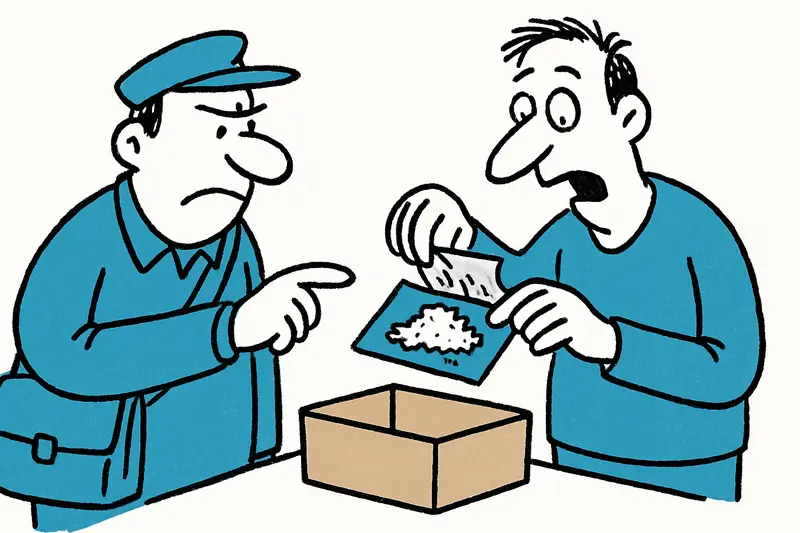
On January 9, German customs in Potsdam found a postcard that was more than a holiday greeting: beneath a silver foil officials discovered a white, crystalline substance. A rapid test detected cocaine. The shipment came from Barcelona; the gross amount was just under 65 grams. The recipient is a 45-year-old German; he is under investigation.
Key question
How do drugs make it through cross-border postal traffic in small, inconspicuous shipments - and what needs to change so that such 'creative packaging' does not become the norm?
Critical analysis
The report from Potsdam is not an isolated case in European postal traffic: criminal groups shift delivery routes, react to controls and exploit the anonymity of letter deliveries. Similar large seizures in the Balearics underline the scale of cross-border trafficking, for example 675 Kilos of Cocaine: What the Find Means for Palma, Inca and Binissalem. Small quantities like 65 grams are difficult for investigators to trace: they fall below large drug consignments, appear innocuous at first glance and cost no more to send than a postcard. German customs discovered the case - which shows that controls work. It also shows clearly: selection remains necessary. Customs and post offices cannot open every envelope; they rely on risk indicators such as sender, weight, destination address and random checks.
The origin in Barcelona raises questions about cooperation. Shipments from Spain to Germany are everyday occurrences - holiday greetings, goods, personal packages. Other cases, such as Half a Tonne of Cocaine at Playa d'en Bossa: Who Benefits — and What Must Change?, show security gaps in tourist hubs. Between legal mail and smuggling there are often only small procedural differences: an unusual sender, missing invoices, conspicuous packaging. Without systematic data analysis, adequate detection tools and an unbroken international information chain, shipments slip through.
What is missing from the public debate
In the public debate one often only hears the alarm: find X, investigations ongoing. Less noticed is the question of responsibility along the supply chain. Postal companies, online platforms, sorting centers and local branches all have roles in identifying risky shipments. Local episodes like Hashish Package in Palma: When Delivery Workers Become Investigators illustrate the role of postal staff. Also missing is the discussion about resources: how many additional checks are politically feasible, which technology is financially bearable? Finally, the municipal perspective is missing - how local post offices in Palma or Sóller handle unusual shipments and when they report cases.
Everyday scene from Mallorca
A Monday morning in Palma: coffee steams on Passeig Mallorca, tourists trudge with suitcases, the mail carrier at Plaça de Cort slips letters into the box. No one thinks that the same route can also carry goods for the European black market. The post office on Avinguda Gabriel Roca looks as always, but behind the counter an employee now checks more closely when an envelope is very light yet wrapped in an unusual coconut leaf or aluminium foil - small measures, big effect.
Concrete solutions
- Better data analysis: postal and customs authorities need automated risk-scoring systems that link shipment data (sender history, volume, routing) and flag suspicious patterns. - Targeted checks: instead of opening all shipments across the board, inspections should take place where data clearly deviate from normal logistics. - Technical equipment: more rapid tests at central sorting centers and mobile devices for detecting traces of substances can increase hit rates. - Strengthen cooperation: direct data exchange between Spanish and German control authorities as well as with private postal companies must become more binding. - Legal adjustments: criminal and customs thresholds should be reviewed to facilitate prosecution of small but profitable shipments. - Local prevention: train local post offices, establish clear reporting channels, raise awareness for unusual packaging.
Why this matters
Small shipments remain attractive because they stretch police resources and offer consumers low prices. People on Mallorca do not notice the consequences immediately: there are no shootings on the plaza, but a creeping normalization - more delivery traffic with questionable contents, more shadow economy. Such developments change the neighborhood, the sense of security and, in the long term, public health.
Punchy conclusion
The discovery in Potsdam is a warning signal, not an isolated headline. What matters now is that authorities and postal service providers learn from the incident: precise data, better technology, clear reporting chains and European coordination prevent cocaine in postcards from becoming a method. For everyone who sends or receives packages on Mallorca: watch out for unusual foil, low weight and senders without a clear trace. Report instead of throwing away - this is more than civic duty; it's neighborhood protection.
Frequently asked questions
How can cocaine be hidden in ordinary mail sent from Mallorca or Spain?
Why is it difficult for customs to stop drug shipments sent by post in Mallorca and across Europe?
Is it legal to send postcards or packages from Mallorca to Germany without customs problems?
What should people in Mallorca do if they receive a suspicious envelope or parcel?
Why do criminals use small packages instead of larger drug shipments?
Does cocaine trafficking affect Mallorca even when a case happens in Germany?
What kind of packaging can make a parcel from Mallorca look suspicious to customs?
What can postal workers in Mallorca do to help spot illegal shipments?
Similar News

On the Brink: Volotea Fights for Survival — What Palma Can Expect Now
Volotea is negotiating its debts and plans to downsize its fleet. What consequences does this have for Palma, employees ...
Persistent rain ahead: What Mallorca's everyday life needs to know now
Aemet announces several days of showers with a peak expected on Monday. A sober reality check: who is at risk, what is m...
New trick at Palma Airport: suitcase stolen from the belt — a reality check
On September 28 a 36-year-old allegedly stole a suitcase from the baggage belt of a 51-year-old German passenger at Palm...
Urgent Clearing of Palma's Torrents: Flood Prevention or Symptom of Short-Sighted Planning?
The city of Palma is responding to storm forecasts and has cleared several torrents. We ask: Is the short-term clearing ...
Evaneos and Mexico: A Reality Check for Sustainable Travel
Travel advertising often reads like a promise: local, sustainable, unique. But how deep do these promises really go? A c...
More to explore
Discover more interesting content

Can Cap de Bou

Townhouse Lleo 72
