
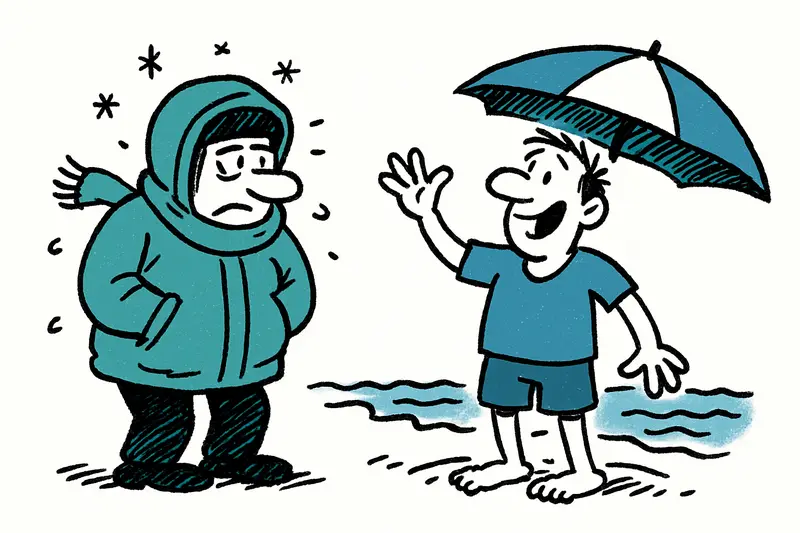
Cold snap dampens Mallorca's spring weather – what's really behind it?
Cold snap dampens Mallorca's spring weather – what's really behind it?
From 24 to around 20 degrees in a few hours, wind and isolated rain: those who thought spring was over are now feeling the island's cold side. A review: why it happened, what's missing in public debate and how locals and businesses can respond.
Cold snap dampens Mallorca's spring weather – what's really behind it?
Key question: Why did the cooling come so suddenly and how well is Mallorca prepared?
On Thursday the island was still in t-shirt weather; by Friday the atmosphere had changed: in many places temperatures dropped within a short time from about 24 to around 20 degrees – locally even below that. The days brought clouds and isolated showers, and the wind blew gustily at times; this pattern echoed warnings in Thursday will be cooler and wetter — but is Mallorca really prepared? Nights remained cool as well; in many areas only 11 to 12 degrees were reached.
Such fluctuations are meteorologically explainable: a surge of cooler air from higher latitudes can quickly arrive in May and interrupt the stable spring conditions, as described in Cold snap and mud rain: Atlantic front puts Mallorca to the test. That does not mean the climate suddenly flips, but that the transition season remains variable. For island residents this means: the memory of sudden cold snaps in late spring is not just nostalgic, it is practically relevant.
More critical than the cooling itself is the reaction to it. Around the cafés at Plaça Major or along Passeig Mallorca you could see people on Friday digging out their jackets again; on Playa de Palma sunbeds remained emptier than expected. For hoteliers, beach operators and especially for employed seasonal staff such variability is an economic challenge: short-term cancellations, changed staffing plans, additional heating costs in restaurants or hotels can quickly add up; the economic effects are discussed in Cold snap in Mallorca: Is the island really prepared?.
What is missing from the public debate: clear, locally tailored information. A general forecast is often not enough; bathers want to know how cold the water is, landlords need to know whether guests need electric blankets or extra duvets, and restaurants want to know whether terrace seating must be protected. Concrete, everyday information is often lacking – for example current water temperatures at popular beaches, notes on wind gusts, or a short assessment of whether the cool phase is only an intermezzo.
An everyday scenario: early in the morning in Portixol you hear the waves closer to shore, seagulls circle, and locals in training jackets pass by on the promenade. A family with two children arrives and turns away disappointed because the water still feels too fresh and the wind is tugging blankets off the beach chairs. Such small scenes repeat in Cala Mayor, Alcúdia and in smaller coves – and they show that weather has an immediate impact on behavior and business.
Concrete suggestions to help the island cope better with such swings: first, better, locally prepared information for residents and visitors: city and municipal sites could publish short weather checks with practical tips (water temperature, wind strength, recommended clothing). Second, flexible offers from businesses: temporary patio heaters, optional blankets in beach bars, clearly communicated rebooking rules for weather-related cancellations. Third, more cooperation between weather services, tourism boards and municipalities so warnings and notices reach the affected people precisely – not only as technical data but as everyday tips.
For farmers and gardeners it is also important to better assess short-term risks: late frosts are rare in May, but cold nights can stress young shoots and recently planted vegetables. Local agricultural advisors should therefore offer narrower time windows for warnings and recommend concrete protection measures, such as coverings or temperature monitoring in greenhouses.
From a meteorological perspective the end of the cool phase is in sight: forecasts call for around 23 degrees on Tuesday and even around 26 degrees the following Thursday. This underlines the changeable nature of spring: warm intermezzo, cool intermezzo, and so on. For everyday life this means: pack an extra light jacket, organizers should stay flexible, and administrations should make information more precise.
Conclusion: the sudden cold snap surprised no one on Mallorca who often watches the sea and listens to the wind. It only becomes problematic when communication and preparation lag behind the rapid weather changes. A bit more pragmatic information flow – and the island will get through a changeable May much more relaxed.
Frequently asked questions
What is the weather usually like in Mallorca in spring?
Can you swim in Mallorca in May or early June?
What should I pack for Mallorca in spring?
Is spring a good time to visit Mallorca?
What is Palma like in spring?
Are Mallorca beaches busy in spring?
What is Sóller like to visit in spring?
Is spring good for hiking in Mallorca?
Similar News

Rental Car Theft in El Arenal: What This Incident Reveals About Our Gaps
A teenager steals a running rental car in El Arenal, flees on foot, climbs over walls and is caught by the Guardia Civil...

Red Rope in Palma's Library: What Helps Against Selfie Tourism — and What's Missing
Palma's city library cordoned off an area with a red rope to keep selfie tourism away from reading and working activitie...

Fort San Carlos: Museum, Harbor Dispute — and a Conflict That Demands Answers
The military museum at Fort San Carlos sits right on Palma's harbor, with unexpectedly quiet rooms filled with cannons a...
Old Town Under Pressure: When a Doorway Becomes a Sleeping and Shower Place
For months a woman has been living with a parasol, a clothes rack and personal belongings next to the social welfare off...

When Shopping Weighs Heavier: Mallorca Demands a Tax Pause on Food and Fuel
Rising prices are putting pressure on households and agriculture. The Balearic Islands are calling for temporary tax rel...
More to explore
Discover more interesting content

Can Cap de Bou

Townhouse Lleo 72
