

Over 60 Motorhomes: When the Streets of Ciutat Jardí Become Emergency Shelters
Over 60 Motorhomes: When the Streets of Ciutat Jardí Become Emergency Shelters
In Ciutat Jardí, Coll d’en Rabassa and Cala Gamba dozens of motorhomes are now parked. The cause is the acute housing shortage — but residents are demanding solutions above all.
Over 60 Motorhomes: When the Streets of Ciutat Jardí Become Emergency Shelters
The situation is escalating – between foul odors, parking shortages and the question of humane treatment
On a cool May day in Palma, when the air still smells of wet asphalt and the first scooters trundle along Carrer de Torre d’en Pau, one thing is immediately noticeable: parking spaces are scarce, and at some street corners there are motorhomes instead of delivery vans. The number is not marginal – in several parts of the city there are now more than sixty vehicles; in areas like Cala Gamba as many as 67 were recently counted.
For residents this means tangible changes to everyday life. It is not just about occupied parking spaces in narrow streets; it is about odors, improvised wastewater disposal and the feeling that public space is suddenly being used as living space. Some report that campers use public showers or dispose of wastewater in places not intended for it. Others complain about nighttime activity and increased insecurity – the fear of break-ins or unpleasant incidents hangs over small stairwells and front gardens, similar to cases like the abandoned motorhome at the former Antoni Roses football pitch in El Arenal.
The reasons are obvious: the island remains mired in a housing crisis. Rents that many households can no longer afford are driving people into precarious solutions, as reported in the story of a lifeguard who has been living in a motorhome.
Key question
How can Palma quickly restore public order and hygiene without forcing people who cannot find housing onto the street?
Critical assessment
The city's current response appears piecemeal and often reactive: complaints about odors or blocked parking spaces lead to notices to the police, occasionally to fines. That is not enough. There is a lack of coordinated offerings – secure parking areas with sanitary facilities, regular waste collection, access to social workers and basic medical care. Without this infrastructure, the very problems residents complain about arise: unhygienic disposal, displacement of residents' parking spaces and neighborhood tensions.
Another blind spot: discussion often focuses only on the symptoms. Public debate rarely cites clear figures on homelessness, there are few reliable offerings for temporary supervised housing, and hardly any pilot projects testing a combination of parking spaces and social services.
What is missing in the public discourse
Concrete perspectives for those affected are missing. Instead, emotions and simplified demands for clearances or penalties dominate. Also rarely addressed is the coordination between the municipality, the island government and social organizations: who takes responsibility for cleaning, who for social integration? And who pays for the infrastructure if a parking area is to be converted into a temporary housing site?
A scene from everyday life
Early in the morning, when the baker on the corner puts out her loaves, children with backpacks roll by. Behind a parked motorhome a woman opens the door and hangs laundry over the bumper. A neighbor looks up, smiles faintly and quietly asks whether there were problems with the wastewater. This is what the mix of neighborhood life and emergency solution looks like – very human, but tense.
Concrete approaches
1) Short term: Set up temporary parking areas on the city outskirts or in industrial zones with drinking water, sanitary modules, waste disposal and Wi‑Fi. These areas should be clearly time-limited and supervised so that hygiene and safety are maintained.
2) Social approach: Mobile teams of social workers, health professionals and interpreters to provide direct support, offer housing advice and, if necessary, refer people to housing assistance programs.
3) Legal and regulatory measures: Clear rules for parking motorhomes in the city combined with low-threshold support instead of pure criminalization. Sanctions for illegal disposal must follow, but only after information and assistance have been offered.
4) Medium term: Accelerate the creation of affordable housing through conversion of municipal buildings, subsidized rental units and programs that incentivize private landlords rather than demonize them.
5) Pilot project with evaluation: A test site for six months accompanied by data collection (number of vehicles, use of services, conflicts) to decide which measures can be scaled up. Lessons from trial sites such as Mallorca's first official motorhome site in Son Serra de Marina could inform the design of such pilots.
Conclusion
The presence of motorhomes is a symptom of a deeper crisis. Those who demand a quick solution in Ciutat Jardí or Cala Gamba must offer more than eviction notices. Palma needs a combined response: pragmatic on-site infrastructure, active social work and a serious program to build affordable housing. Otherwise the street will remain both a sleeping place and a zone of conflict.
Frequently asked questions
What is the weather usually like in Mallorca in summer?
Can you still swim in Mallorca outside the peak summer months?
What should I pack for a trip to Mallorca in warm weather?
Is Mallorca a good destination for a beach holiday in spring?
What is Port de Sóller like for a relaxed stay in Mallorca?
Is Alcúdia a good place to base yourself in Mallorca?
What is Palma like for visitors who want more than just the beach?
When is the best time to visit Mallorca if you want fewer crowds?
Similar News

Rental Car Theft in El Arenal: What This Incident Reveals About Our Gaps
A teenager steals a running rental car in El Arenal, flees on foot, climbs over walls and is caught by the Guardia Civil...
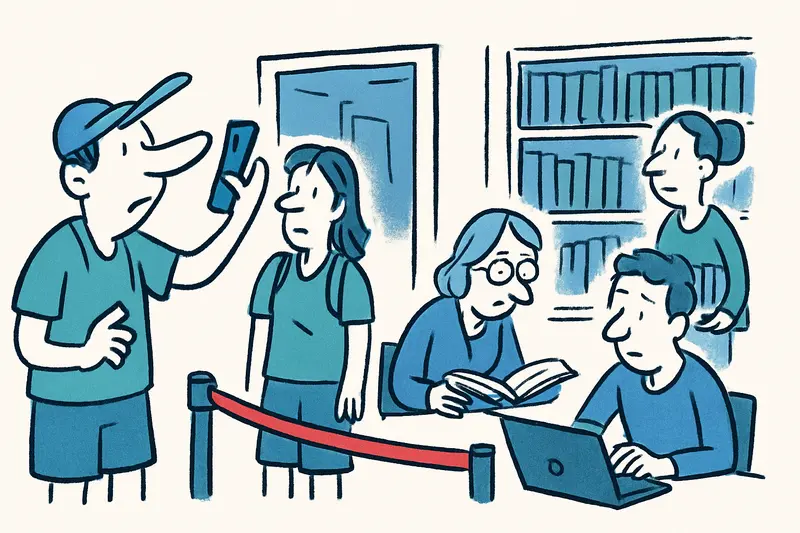
Red Rope in Palma's Library: What Helps Against Selfie Tourism — and What's Missing
Palma's city library cordoned off an area with a red rope to keep selfie tourism away from reading and working activitie...
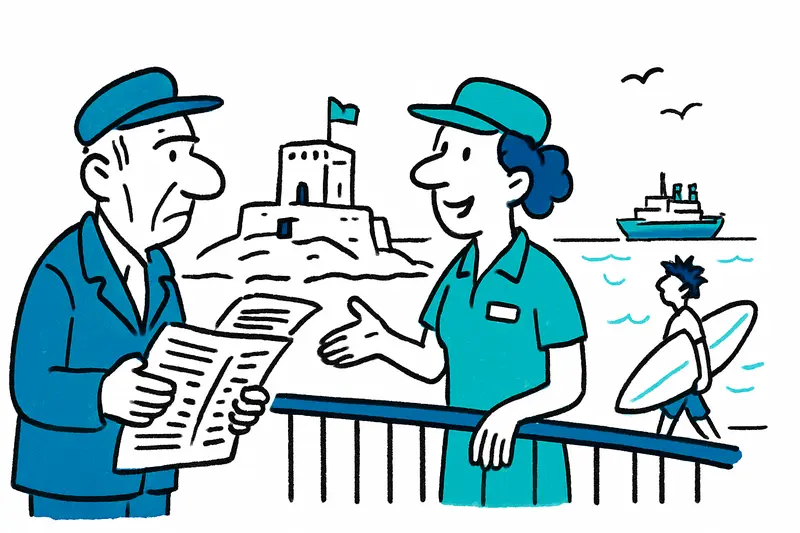
Fort San Carlos: Museum, Harbor Dispute — and a Conflict That Demands Answers
The military museum at Fort San Carlos sits right on Palma's harbor, with unexpectedly quiet rooms filled with cannons a...
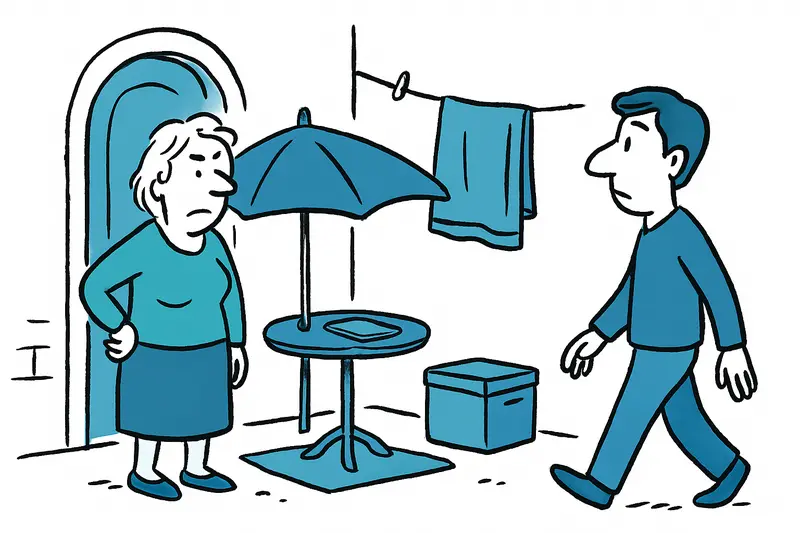
Old Town Under Pressure: When a Doorway Becomes a Sleeping and Shower Place
For months a woman has been living with a parasol, a clothes rack and personal belongings next to the social welfare off...

When Shopping Weighs Heavier: Mallorca Demands a Tax Pause on Food and Fuel
Rising prices are putting pressure on households and agriculture. The Balearic Islands are calling for temporary tax rel...
More to explore
Discover more interesting content

Can Cap de Bou

Townhouse Lleo 72
