
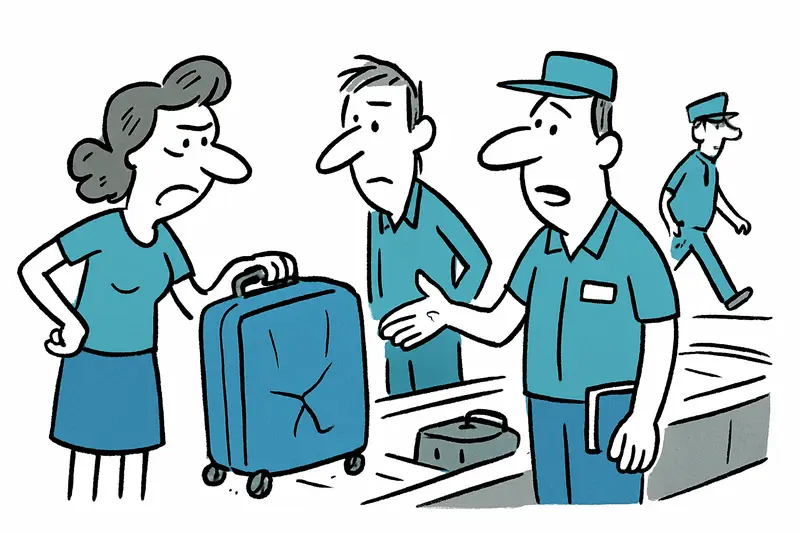
Complaint surge at Balearic airports: Who bears responsibility for broken suitcases?
Complaint surge at Balearic airports: Who bears responsibility for broken suitcases?
In Palma and on the neighboring islands, travelers report significantly more luggage damage and losses this year. Figures from the consumer protection authority show the scale. Our analysis asks: What is going wrong — and what can travelers and authorities do now?
Complaint surge at Balearic airports: Who bears responsibility for broken suitcases?
Leading question: Why are passengers in Mallorca and the neighboring islands reporting significantly more complaints this summer about damaged or missing luggage — and who is responsible?
Critical analysis
The Balearic Directorate General for Consumer Protection recorded a total of 250 cases against airlines up to August 2026; 130 of these concern baggage problems, i.e. 52 percent of all complaints. Two figures stand out: 50 reports of damaged luggage (compared with 37 in 2025) and already 22 cases of delayed delivery (2025: 20). Loss reports amount to 11, which is below the previous year (23), but the overall direction runs counter to earlier years when complaints fell. Such data suggest not only isolated mishaps but systemic strain during peak times.
Several factors plausibly come together: record or at least very high passenger numbers in the summer season, staffing shortages among ground handlers after the pandemic years, more frequent connections with tight transfer times, and the shift to fast, automated sorting systems that are less forgiving when suitcases are atypically tagged. Low-cost carriers with tight turnaround times and additional fees for hand luggage also increase the number of checked bags during peak periods. All this leads to more touchpoints, and every contact is a risk for scratches, broken wheels or lost tags.
What is missing from the public debate
The debate often remains superficial: "The airlines are to blame" or "passengers should be more careful." Missing is an examination of the chain: principals (airlines), service providers (ground handlers), airport management and regulators. Little attention is paid to the contractual terms passengers accept at booking and the practices for documenting and compensating damage. A sober discussion would examine: Which ground handling companies currently operate at Son Sant Joan and the smaller island airports? How are their shifts organized? Are there standardized acceptance protocols when luggage is handed over? Without these details, the public discussion remains diffuse and purely emotional.
Everyday scene from Palma
Imagine the arrivals area at Terminal B in Palma on a hot August day: the thermometer shows 33°C, the flight from Germany lands, and the hall is a mix of German voices, strollers and rolling suitcases. On carousel 4 a large, dark-colored trolley circles; a couple unwraps the plastic tie from the handle, sees a broken wheel and trudges out frustrated into the sweltering heat. A ground handler rushes by, the beep of scanners mixes with the clatter of baggage trolleys. Scenes like this explain the consumer protection authority's numbers: many people, a lot of activity, small lapses with big effects.
Concrete solutions
For passengers: Document damage immediately at the airport, request a Property Irregularity Report (PIR) and photograph suitcases and tags. Travel insurance or specific luggage policies can in some cases help faster than lengthy claim procedures. Avoid stickers that can interfere with sorting systems; attach small, sturdy tags instead of large dangling labels.
For authorities and airports: A transparent list of contracted ground handlers and their shift schedules would provide clarity. Frequent inspections, standardized handover protocols and mandatory anonymized reporting of internal incidents to the consumer protection authority could make trends visible earlier. Technically: stress tests for sorting systems and optimized routing in baggage halls reduce mechanical wear.
For airlines and service providers: Better coordinated capacity planning during holiday months, additional resources on peak days and clear liability rules in contracts with ground handling companies. An obligation to inspect reported damage within a short period and to compensate clear visible cases straightforwardly would reduce pressure on arbitration bodies.
Pointed conclusion
The figures are not a coincidence; they are the symptomatic flash of a system under stress: too many flights, poorly coordinated processes, and often an over-rapid profit logic. People standing at the baggage carousel in Palma do not want to be drawn into legal debates. They want their suitcase to come out of the hall intact. Travelers can do a lot, but real improvement requires more transparency, better controls and responsibility across the whole chain — from the airline to the ground worker at the belt. Otherwise the Balearic luggage problem will remain a perennial issue during the hot season.
Frequently asked questions
What should I do if my luggage is damaged at Palma de Mallorca Airport?
Who is responsible for luggage handling at Balearic airports and how are claims processed?
What packing or travel tips can help reduce luggage problems in Mallorca's peak season?
What should I do if my bag is delayed after arriving in Mallorca?
Are there standardized luggage handover procedures at Son Sant Joan and other Balearic airports?
How can travelers pursue timely compensation for damaged luggage in Mallorca?
What is the role of ground handling companies in luggage issues at Mallorca's airports?
Is there a broader trend of more baggage problems in Mallorca during summer, and what causes it?
Similar News
Empty Seats, Full Worries – Why Mallorca Excursions and Taxi Rides Suffer This Summer
Buses stand idle, taxi drivers notice guests' caution: What are the consequences of the new frugality for the island's e...

Mallorca-bound carrier Ryanair provokes Argentine national team: Provocation or PR mistake?
A low-cost carrier's social media post is causing international outrage. The key question: Is a company allowed to poke ...

Royal shopping on the Born: Loewe returns — and Palma rejoices
Sofía, Elena and Victoria Federica were seen on the Passeig del Born as Loewe opened its new boutique. A sunny visit tha...
White Circles on the Roadway: Can They Reduce Motorcycle Accidents in Mallorca?
The Spanish road authority is testing white circles near center lines to keep bikers out of the oncoming lane. A look at...
Luggage chaos at Balearic airports: Why complaints are rising so sharply in 2026
This year an unusually high number of travelers at the Balearic airports report damaged, delayed or missing baggage. The...
More to explore
Discover more interesting content

Boat Tour with BBQ along Es Trenc Beach

Private transfer from Mallorca Airport (PMI) to Pollensa
