
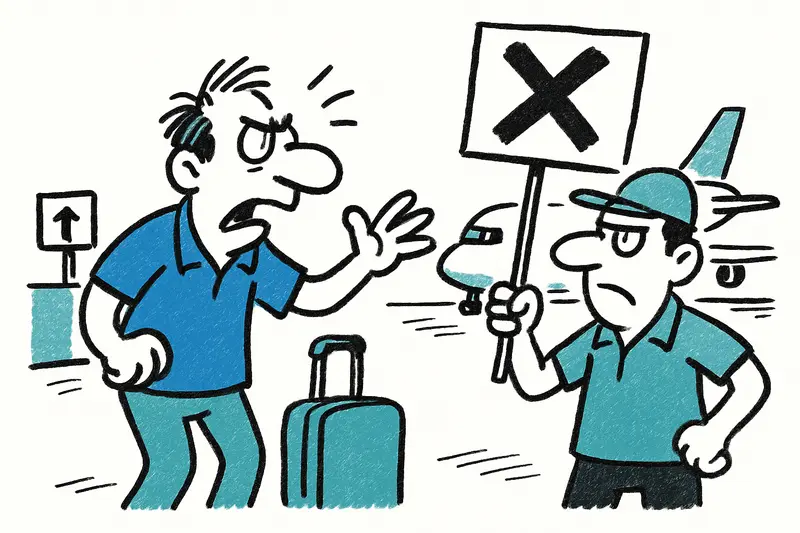
Second Wave of Strikes Hits Mallorca's Airports — Travelers Must Rethink Plans Now
Two ground handlers in the Balearic Islands have started staggered partial strikes and full-day walkouts. What this means for flights to Palma, Ibiza and Mahon — and how holidaymakers should react.
Strike alert in the Balearics: What air passengers need to know now
Summer is humming, the espresso at Terminal B is dripping, and yet airport handling currently feels more like emergency planning. Two major ground handling companies in the Balearic Islands have begun tightly staggered industrial actions. The airports of Palma: Ryanair strike in Mallorca, Ibiza and Mahon are affected. Travelers face the central question: How can I be sure I’ll make my trip — and what do I do if I can’t?
How are the strikes being carried out?
The first provider has started staggered partial walkouts that are officially planned to run until the end of the year. Interruptions occur in three shift windows: early (around 5–9 a.m.), midday (around 12–3 p.m.) and evening (9–11:59 p.m.), as described in Strike at Son Sant Joan Airport: Three Peak Periods, Major Chaos – What Travelers and Mallorca Need to Know. The Ministry of Transport has ordered minimum service levels between 58 and 83 percent for August — varying by island and time of day.
In addition, an international handling partner has announced several full-day strike dates: 16, 17, 23, 24, 30 and 31 August. On those days, complete cancellations in numerous shifts are possible, which will particularly affect connections of major airlines and long-haul flights.
Who is particularly at risk?
Low-cost carriers with local bases and airlines that have outsourced their ground services to the striking companies are especially vulnerable. Airline names alone don’t tell the whole story — what matters is who performs the handling locally; for background see Ryanair Ground Staff Strikes: What Mallorca Needs to Know. At the terminal you notice it quickly: closed counters, longer queues and more announcements, the baggage belt running slower, trolleys scraping on the concrete.
Why is the conflict escalating?
The unions criticize fixed-term contracts, excessive part-time work, mandatory overtime and harsh disciplinary measures. At the international partner, chaotic duty rosters, incorrect pay slips and broken agreements add to the complaints. Talks are ongoing, but a swift, comprehensive solution is not in sight — making the situation particularly precarious for high summer.
Concrete consequences for the islands
Together, both companies employ more than 1,000 people in the Balearics. For tourism this means an increased likelihood of delays, problems with baggage handling and longer check-in waiting times. Small local businesses also feel the impact — boat rental companies, transfer services and restaurants that rely on punctual guests. The island economy is vulnerable when flights are canceled or guests arrive late; for analysis see Ryanair Strike Hits Palma: How Big Is the Threat to Holidays and the Island's Economy?.
Often-overlooked aspects
Frequently overlooked: the strike affects not only passengers but also cargo shipments, medical transport capacity and seasonal workers who depend on timely connections. In addition, minimum service levels vary significantly between the islands — a flight to or from Palma may be treated differently than one to Mahon. These differences are hard for travelers to predict but intensify the chaos.
Practical recommendations for travelers
— Check the flight status directly with the airline and not only with your tour operator — updates and weekend developments are covered in Strikes at Palma Airport: Why the Weekend Chaos Could Last Longer This Time. Airlines usually have the most up-to-date information and cancellation deadlines.
— Allow plenty of time: two and a half to three hours before departure are now advisable. Standing in line in the heat is no part of a holiday.
— Keep digital boarding passes, passport/ID and emergency numbers ready. Save screenshots with booking and contact details offline.
— Document extra expenses (taxi, hotel stays, meals). Keep receipts — for reimbursements, insurance claims and possible compensation under passenger rights.
— Check rebooking options early: earlier flights, other carriers or even ferry connections between the islands can help. Some carriers with their own ground staff are more resilient to local strikes.
— Consider flexible fares or trip cancellation/rebooking insurance if your plans have little buffer.
— Contact the airline immediately at the counter or by phone if problems arise. In case of longer disruptions you are entitled to assistance (drinks, meals, possibly hotel) — exact rules depend on the situation.
Looking ahead: opportunities for better operations
The labor dispute exposes structural weaknesses: too many precarious contracts, lack of planning security and a system that collapses under stress. In the short term, travelers must plan carefully. In the medium term, employers, unions and authorities should find binding solutions: reliable duty rosters, fewer precarious contracts and clearer emergency mechanisms. Only then will the airports return to what they should be: gateways to a relaxed island stay.
No panic, but preparation. Summer is busy, nerves are thin — and anyone who has once been at the terminal at five in the morning sorting travel documents over a coffee knows: a bit of extra patience and a plan B can make all the difference.
Frequently asked questions
Are flights to Mallorca being affected by airport strikes right now?
What should I do if I am flying from Palma airport during a strike?
Which hours are most likely to be disrupted at Mallorca airport?
How early should I arrive at Palma airport during strike days?
What are my rights if my Mallorca flight is delayed or cancelled because of a strike?
Will Mallorca airport still have minimum service during the strikes?
Are ferries between islands a realistic backup if my Mallorca flight is disrupted?
Why are Mallorca and the Balearic Islands being hit so hard by the airport strike?
Similar News
Why the Striped Breams in Cala Pí Should Be a Wake-up Call
Once again bathers in Cala Pí were surrounded while swimming by small, nippy fish — some wounds bled. Time for clear rul...

Daily from New York: How Palma's Air Traffic Is Growing — and What Must Change
United will increase the Newark–Palma service to daily flights in 2027 (Boeing, 231 seats). Strong tourist numbers clash...

When Love Ends in Shards: Destruction in Son Vida and the Questions That Remain
In Son Vida a relationship dispute escalated: a woman destroyed furniture in a luxury villa, later pressed a panic butto...

Who Bears the Burden? Mallorca Between Tenant Protection and Landlord Fears
Madrid's new housing decrees strengthen tenant rights — but on Mallorca concern is growing: will the law drive small lan...
On the Edge: What Mallorca's Airport Loses If a Major Low-Cost Carrier Falters
The company that operates numerous connections from Palma to France and domestically is negotiating with creditors to re...
More to explore
Discover more interesting content

Can Cap de Bou

Townhouse Lleo 72
