
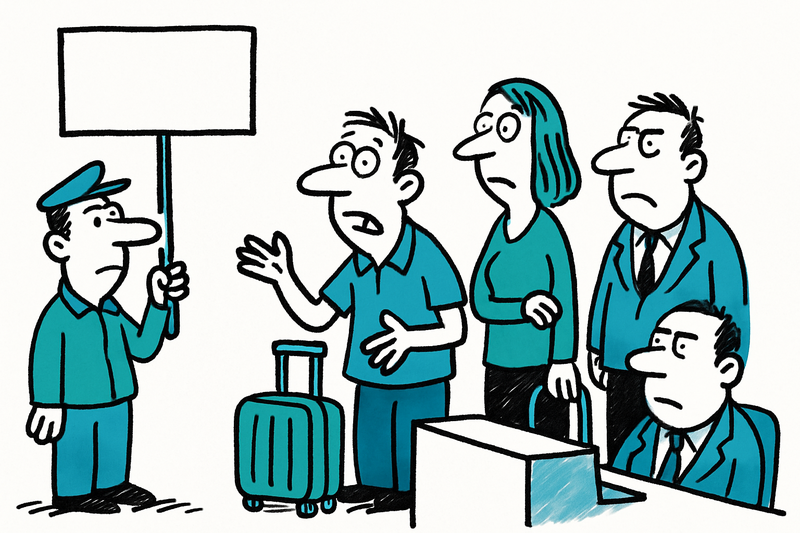
Ryanair Strike in Mallorca: Who Pays the Price — and What Travelers Should Do Now
The months-long walkout by ground staff is hitting Palma de Mallorca. What consequences await flights, tourism and local businesses — and which strategies can help avoid the worst effects?
Strike or incident? The central question is: How resilient is Mallorca's airport operation to long-lasting stoppages?
In the early morning, when the first rolling suitcases crunch across the tarmac and taxi drivers turn up their radios, another sound has recently been in the air: anxious glances at flight apps. From Friday, Ryanair ground staff strikes will start work stoppages. The action begins with three consecutive days (August 15, 16 and 17) (reported in Ryanair strike at Palma airport) and continues until the end of the year — on Wednesdays, Fridays, Saturdays and Sundays.
What exactly is at stake — and when?
The strike windows are divided into three blocks: 05:00–09:00, 12:00–15:00 and 21:00–23:59. A total of 76 days are planned. The main impact is on ground handling: check-in, boarding, baggage drop-off and general ground assistance. Translated, this means: longer wait times, chaotic queues at peak times and, in extreme cases, flight cancellations. Many travelers won't only see this in the app but will experience it in the arrivals hall when practiced routines give way to frantic reorganization.
Which locations on the island are affected?
The action applies at all work sites of the affected company in Spain — and therefore also at the base in Palma de Mallorca, as described in Second wave of strikes hits Mallorca's airports. At some airports the contracted company is not permanently stationed; there, individual flights may be less affected. Nevertheless, shifts in fleet movements are likely, and that will ripple back to connections and transfers — affecting bus companies, car rental firms and hotels.
Why it's not just about delays
The strike is driven by demands for more permanent contracts, fair treatment of part-time workers and opposition to forced overtime. That sounds like personnel policy — but on Mallorca it means a strained season, extra pressure on seasonal employees and economic stress for small businesses that rely on punctual arrivals and departures of their guests.
What is often overlooked in the debate
Public attention and travel apps focus on flight status and compensation. Less noticed is how interconnected the island's logistics are: transfer companies, taxis, catering and even supermarkets feel domestic shifts. A canceled return flight does not only mean lost vacation days for guests — it can also force some businesses to cancel rebookings or change staffing plans. The psychological strain on airport staff caught between two fronts also often goes unrecognized.
Practical recommendations for travelers and hoteliers
Travelers: Check status updates regularly before departure (app, email, SMS) and call the airline if a message is unclear. Arrive at the airport significantly earlier than usual — especially during the strike windows in the morning, at midday and in the evening. Pack a charger, water, snacks and medication in your carry-on. Keep receipts if rebookings cause expenses: taxi fares, hotel nights, meals.
Hoteliers and transfer providers: Offer flexible check-in/out policies and communicate proactively with arriving guests. Small shuttle services and private transfer operators should plan alternative time slots and inform their customers early. A simple SMS chain can work wonders in these cases.
Municipal level and the airport: Authorities and airport operators should have short-term contingency plans ready: extra counters, temporary allocation of staff to quieter areas, coordinated information points. In the long term, talks about redundant service providers are needed to reduce dependence on individual ground handling companies.
Rights, refunds, and keeping calm
In case of cancellations or long delays, EU passenger rights apply — inform yourself and keep proof. Travel insurance with disruption coverage will pay in many cases. And yes: a friendly word at the right moment often helps more than anger in the queue. I myself spoke in Palma at half past eight with a young ground worker who said: "We just want to work without pressure." That sticks with you.
An outlook with opportunities
The conflict is uncomfortable, but it also offers a chance: more transparency in employment contracts, stronger integration of local service providers, and more resilient airport procedures. For Mallorca this could mean: less chaos during balmy evening departures, more predictable peak seasons and, in the long run, more stable jobs — if politicians, companies and unions now engage constructively.
Until then, the rule for travelers and everyone who depends on tourism is: better prepared than surprised. Pack your sense of humor and your charger — both will be needed more often at Mallorca's airports in the coming weeks.
Frequently asked questions
Will the Ryanair strike affect flights to and from Mallorca?
What are the strike times at Palma airport?
How early should I arrive at Palma airport during a strike?
What should I pack in my hand luggage if I am flying from Mallorca during the strike?
Do EU passenger rights apply if my Ryanair flight from Mallorca is cancelled?
Is Palma airport the only place in Mallorca affected by the Ryanair strike?
How can hotels and transfer companies in Mallorca deal with flight disruption?
Why is the Ryanair strike in Mallorca a problem beyond the airport?
Similar News
Near-miss on Lanzarote: Landing Ryanair Jet and Iberia Takeoff — what really went wrong
On Lanzarote there was a dangerous incident: A Ryanair flight (FR5910) from Dublin landed on runway 03 while an Iberia E...
Eurowings introduces new Premium Business seats on Mallorca routes
From December 1, selected Eurowings flights to Palma and other destinations will feature eight particularly generous sea...
Car on MA-13 near Inca in flames – a safety check for the island
A vehicle caught fire on the MA-13 towards Alcúdia on Tuesday afternoon. The driver was uninjured, the car was destroyed...

Real Estate in Mallorca: Fewer Buyers, Higher Prices — What's Behind It?
Sales on Mallorca are falling, yet prices continue to climb. Why fewer transactions do not equal relief — and what shoul...
Just Bought — Already Trouble: Water Damage in the Heiters' Villa and What Owners in Mallorca Should Know Now
A newly purchased sea-view property — and within days a water damage. What risks lurk in new properties in Mallorca, and...
More to explore
Discover more interesting content

Can Cap de Bou

Townhouse Lleo 72
