
Manacor: A Brass Feast, a Sharp Sound — and a Surprisingly Intimate Bruckner
At the Auditori de Manacor brass took the lead last night: piercing modernity, technical brilliance and a surprisingly intimate interpretation of Bruckner. An evening that raises questions about balance, acoustics and audience engagement.
An evening that put brass in the spotlight
Yesterday, shortly after eight, the Auditori de Manacor slowly filled. Outside, the cool November air crept through the streets; inside, cups clinked, programmes rustled and brief conversations sparked — a typical Manacor evening sound. Many had come for Bruckner, as covered in Noche de concierto en Manacor: Wagner, metales afilados y un Bruckner sorprendentemente cercano. But the evening posed a different question: how much brass does the space need, and how much intimacy can a large symphony tolerate?
Wagner with a wink
The overture from Die Meistersinger von Nürnberg overture opened in clear, unadorned contours. The conductor presented the main themes with theatrical gestures, yet let the comic core appear edged and brassy. Result: the familiar sounded new, almost like a scene viewed from another angle. The audience listened attentively; in places a quieter amusement flickered — not the loud laughter of a comedy, but a approving smile.
Spanish Brass: technical brilliance and modern bite
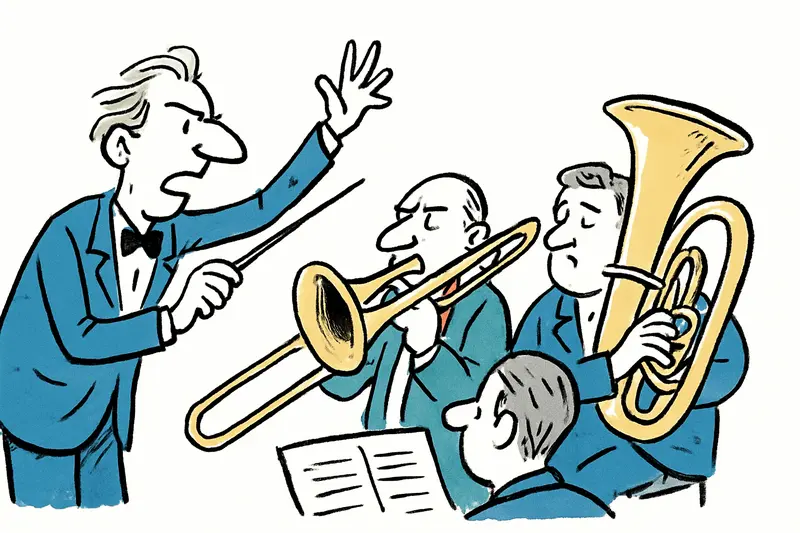
The five-member brass group was a machine of precision and joy in playing. José Colomer's etudes were bright, dissonant, at times at the edge of pain — a modern sound body that provoked. Piece titles like “Deambular” or “Descubrir” promised pathways but offered sonic spaces more than narrative routes. For listeners seeking timbral variety, it was a feast; for purists expecting a clear line, access remained occasionally closed.
It was striking how much the hall's acoustics shaped the experience: the metal of trumpets and horns met the auditorium's reverberant character directly. You heard the brass not only as instruments but as an architectural element — an effect that inspired awe but also raised questions.
Bruckner IV: no incense, but intimacy
The evening's major challenge was Anton Bruckner's Fourth. Instead of falling into the usual mode of celebration, the conductor sought warmth rather than ritual. The long climaxes remained organic; the sound was physical, not nebulous. Woodwind moments shimmered quietly, trumpets suddenly hovered close to the ear. Overall, it felt less like a distant cathedral and more like a conversation in a lively living room — surprisingly intimate for a symphony that otherwise dissolves into clouds.
This decision carried risks: where grand incense normally supplies pathos, intimacy had to convince. And it did so in places. Not all parts always fused: the brass remained too present at times, and dynamic frictions occasionally disrupted the flow. Yet it was precisely these edges that made the evening exciting. Some listeners did not leave the piece feeling they had everything explained, but with the impression of having taken away a lived experience.
The central question — and a few concrete suggestions
What remains as the guiding question of this evening? How can orchestras and organizers achieve a balance between modernity and monumentality, between brilliance and closeness? In Manacor it becomes clear that not only the programme, but also the space, positioning and communication decide. A few suggestions the next evening might consider:
1. Precise personnel and stage layout: Brass can be “located” differently in the space; a slight change in position can have noticeable effects on balance and transparency.
2. Acoustic work before the concert: Rehearsing in the full hall and targeted soundchecks help avoid extreme harshness — especially with modern, dissonant pieces.
3. Involving the audience: Short talks or pre-concert introductions to the works can prepare listeners for unfamiliar sound languages and ease access.
4. Programme planning: A thoughtful sequence of modern and romantic works can soften ruptures without sacrificing artistic tension. Breaks that allow for exchange are also important.
An evening with open edges — and lots of resonance
The conclusion is ambivalent and rather Mallorcan: edges, light and a resonance that could still be heard in the street as people emerged and the last applause faded into the cool night. For the curious it was a must; for purists perhaps a challenge. Both groups gained something: material for conversation.
Repeat tonight in the same venue. Tip: the box office opens at 7:00 PM — the good seats go fast. If you go: listen also for the quieter woodwind moments. They tell a lot.
Frequently asked questions
What kind of concert atmosphere can you expect at the Auditori de Manacor in November?
Is Bruckner’s Fourth Symphony a good choice for a smaller concert hall in Mallorca?
Why does brass music sound so intense in the Auditori de Manacor?
What should I know before attending an evening concert in Manacor?
How did Spanish Brass sound in Manacor?
How does the Auditori de Manacor affect the way orchestral music sounds?
What is the best way to hear quieter moments in a Bruckner concert in Mallorca?
Why do some concerts in Manacor feel more intimate than expected?
Similar News

Loose dog on the MA-19: Rescue — and an uncomfortable question
A large dog ran across the carriageway of the MA-19 near exit 12 on Sunday morning. The Local Police captured the animal...
Cala Rajada: Why the "Sharky's" Keeps Closing — a Reality Check
The "Sharky's" at Cala Agulla is vacant again. High takeover price, expensive rent and a damaged reputation: What is rea...
Palma at the Limit: Four Cruise Ships, Full Parking Garages — Where to Put the City?
Over the long weekend Palma burst at the seams in several places: four cruise ships in the port, kilometer-long queues a...
MotorWorld Inn near Palma: Food, Ambience and Why It's Worth a Visit
A restaurant that blends car passion and food: we tried MotorWorld Inn near Palma. Atmosphere, dishes and a few tips for...
Handover by the Water: Why 'Sharky’s' in Cala Rajada Is Up for Sale Again
A sports bar at Cala Agulla, opened in 2024, closed shortly after, briefly revived in 2026 — now the venue is up for tak...
More to explore
Discover more interesting content

Can Cap de Bou

Townhouse Lleo 72
