

Court Convicts Tourist After Assault in Llucmajor: How Safe Are Hotel Employees Really?
A 57-year-old tourist was fined €6,000 for indecently touching a hotel cleaner in Llucmajor. A reality check: what protection is missing for housekeeping staff?
Court Convicts Tourist After Assault in Llucmajor: How Safe Are Hotel Employees Really?
Key question: What needs to change so cleaning staff in hotels are not easy targets — and who bears the responsibility?
On July 13, 2023, an incident occurred in a hotel in Llucmajor that has now gone to court: a 57-year-old tourist of Vietnamese nationality was convicted after a cleaner reported indecent touching (A 57-year-old tourist was fined €6,000 for indecently touching a hotel cleaner in Llucmajor). The court found a deliberate, albeit brief, sexual assault and imposed a fine of €6,000. The proceedings took place with the participation of the court bench on Vía Alemania in Palma; the defendant appeared via videoconference.
The background is typical for such cases: the woman was working alone in the room when the guest gave her a tip. According to her statement, he entered the bathroom, touched her on the buttocks and then on the chest; she later suffered a panic attack. The defendant admitted to physical contact but claimed the touch happened accidentally because of the lack of space between the bathtub and the door. The judge did not accept this account.
The facts of this individual case must be recorded objectively: there was direct contact, a complaint by the employee, and a court verdict, as shown by Incidente en el spa de Magaluf: ¿qué tan seguros son realmente los espacios wellness de los hoteles?.
Here begins the critical analysis: cleaning staff often work in isolation, under time pressure and with unclear power relations between guests and hotel management. A five-euro tip can quickly be read as a friendly gesture — or as part of a situation in which employees feel obliged to accept the offer in order to avoid trouble.
What has so far been missing in public discourse are three points: first, prevention in the workplace; second, a functioning reporting system without stigmatizing victims; and third, reliable data. How many incidents go unreported? Which hotels have binding protection concepts? Without numbers the debate remains fragile and emotional.
A small scene from Llucmajor: midday in a hotel alley, the cleaning cart clatters down the corridor, soap and citrus scents mix with the smell of coffee from the bar. Tourists laugh on balconies, an older lady tidies sunbeds. In between, the staff do their work, often invisible, quietly carrying the fear of a moment that can change everything.
Concrete, pragmatic solutions are possible and need not be expensive: hotels should introduce mandatory protection and reporting protocols for staff. That means specifically: accompaniment to rooms during off-peak times, a buddy system, visible panic buttons for staff and fast internal procedures that enable contact with hotel management, the police and, if necessary, legal advice.
Employers should also offer regular training — not only on prevention but also on dealing with trauma aftermath and on documenting incidents. Multilingual notices in staff areas and clear rules regarding tips can help defuse ambiguous situations.
At the municipal level, an anonymized reporting portal for incidents in the hospitality sector would be useful, providing numbers without media fuss and revealing patterns. The island administration, industry associations and unions could jointly develop mandatory minimum standards — for example for staffing levels during busy times or mandatory door-closing while rooms are being cleaned.
The tone toward guests must also be clear: house rules, notices and short check-in announcements — in several languages — must not be patronizing, but they must make clear that assaults have consequences. In Mallorca, where tourism is everyday life, a few extra sentences at reception can improve the working climate for employees.
What we as a society can do goes beyond that: those who live and work here know the island’s small rituals — the chat at the market, neighbors helping one another, the solidarity coffee break in the bar on the plaza. These habits can be used to demand respect as part of daily life. Support services, psychosocial assistance and legal advice must be quick and easily accessible.
Summing up: the verdict against the tourist is a clear signal that sexual assaults do not go unpunished (see Tribunal condena a turista tras agresión en Llucmajor: ¿qué tan seguros están realmente los empleados de hotel?). But a single punishment alone does not protect anyone in the long term. Practical precautions in businesses, transparent reporting paths and a more open public debate about power relations at work are needed — otherwise such cases remain symptomatic rather than being solved systemically.
On Mallorca, between the clatter of cleaning carts in hotel corridors and the sound of the sea, respect should become island routine — not just a serious note in a court file.
Frequently asked questions
How safe are hotel cleaning staff in Mallorca?
What happens when a tourist assaults hotel staff in Mallorca?
Why do hotel cleaners in Mallorca often work alone?
What should hotels in Mallorca do to protect cleaning staff?
Is Llucmajor safe for tourists and hotel workers?
Can a small tip create a problem for hotel staff in Mallorca?
What support should a hotel worker get after an assault in Mallorca?
Why is reporting hotel incidents important in Mallorca?
Similar News
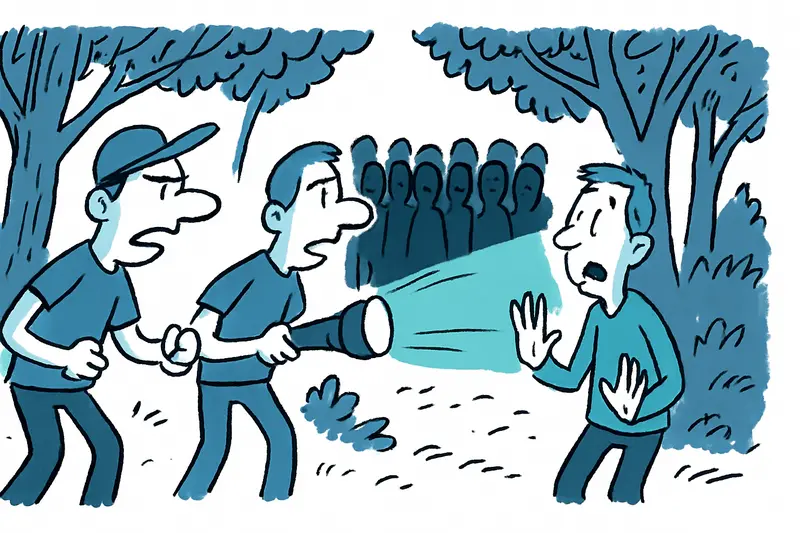
Fear in the Sa Teulera Forest: Youth Groups Harass Cruising Zone in Palma
In the wooded area of Sa Teulera, those affected report verbal attacks, property damage and intimidation. How safe is th...
Axa opens first health center in Palma: €3 million, 650 m² and more local access for La Vileta
In the heart of La Vileta, Axa has opened its first own health center in Mallorca. On around 650 square meters and with ...
30 Years of Nit de l'Art: What Palma's Art Night Really Shows — and Conceals
Nit de l'Art celebrated its thirtieth anniversary: full galleries, young visitors — and the quiet tensions between the a...
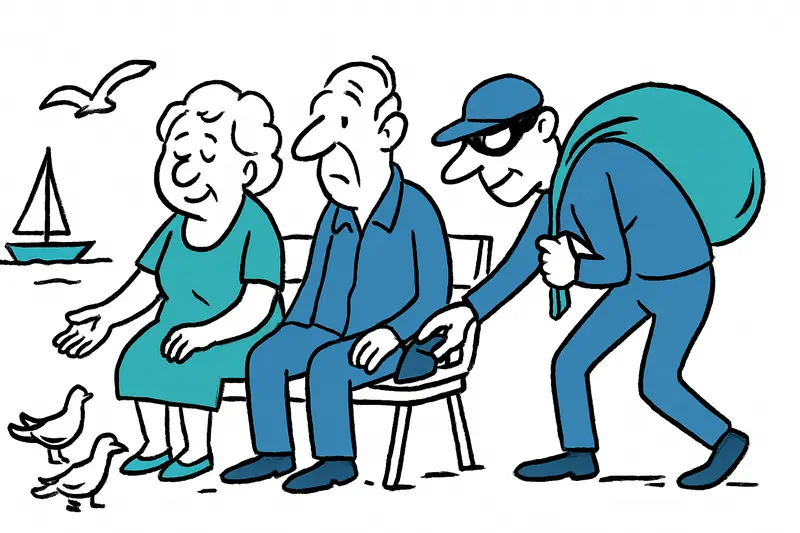
Hunt for Older Holidaymakers: Arrests after Suspected Pickpocketing in Port d'Andratx and Bellver
Five suspects were arrested after investigators accuse them of targeted pickpocketing of elderly tourists in Port d'Andr...
Knife stabbing in Magaluf: Why it must not remain an isolated incident
A 21-year-old tourist was stabbed in the chest in Magaluf and is in life-threatening condition. A reality check: what's ...
More to explore
Discover more interesting content

Can Cap de Bou

Townhouse Lleo 72
