
Confession after Death in Pere Garau: What the Neighborhood Needs to Know
Confession after Death in Pere Garau: What the Neighborhood Needs to Know
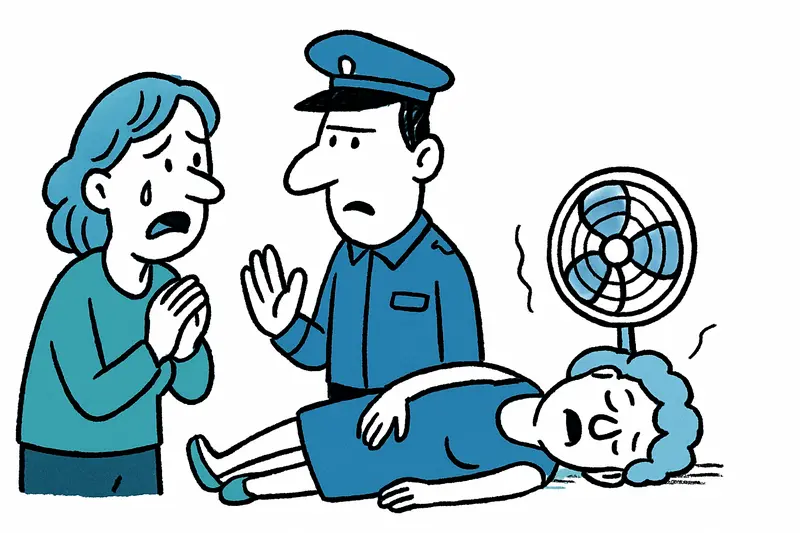
A 36-year-old woman has confessed to striking her 73-year-old mother-in-law with a fan in Pere Garau. The older woman apparently lay injured for hours before being found on Monday afternoon. The National Police reconstructed the events at the scene.
Confession after Death in Pere Garau: What the Neighborhood Needs to Know
In Palma's Pere Garau district, a domestic dispute ended fatally: a 73-year-old woman was found dead on Monday afternoon. The arrested woman, her 36-year-old daughter-in-law, told investigators she hit the older woman with a fan during an argument. Investigators believe the woman lay seriously injured in the apartment for several hours. According to police, the suspect altered the scene and changed clothes during that time. Yesterday officers from the National Police reconstructed the events at the scene.
Key question
How can a wounded elderly woman remain unnoticed for hours in a densely populated neighborhood like Pere Garau?
Critical analysis
At first glance Pere Garau, with its small shops, the buses stopping at the stop, and neighbors chatting on the street, does not seem like a place where violence thrives in secret. But the facts of this case point to a familiar pattern: domestic conflicts, a vulnerable older person, and delays in detecting the need for help. That the body was only found on Monday afternoon suggests either there was no regular exchange between neighbors and social services, or possible signs were not recognized as urgent.
The statement that the crime scene was altered raises questions about evidence preservation and the handling of private spaces. Every hour counts when lives are at stake. In cases with older residents, factors such as limited mobility, loneliness and dependence on relatives play a major role.
What is missing from public discourse
Reports often focus on isolated incidents, but rarely on structural gaps: How many older people live in households where tensions can escalate? What preventive services exist for relatives who are mentally or physically overwhelmed? And how quickly do social services respond when neighbors raise the alarm? The debate is also missing about how neighborhoods can be strengthened without slipping into intrusive behavior.
Everyday scene from Pere Garau
One only has to visit the Plaça in Pere Garau early in the morning: the smell of bakeries, the clatter of shopping bags, a radio in a window. People know one another here, and yet sometimes everyone withdraws into their apartment. I repeatedly see older people carrying shopping bags walking home alone. It is precisely in these everyday moments that the safety net can be thin.
Concrete solutions
- Establish local neighborhood checks: Volunteers who knock or call on older residents once a day, organized in cooperation with municipal authorities.
- Closer link between police and social services: When operations indicate domestic risks, automatic notifications should be sent to the responsible social workers.
- Training for local shopkeepers and delivery workers: Bakeries, supermarkets and postal workers often notice changes in the routines of older customers. A short awareness program could help report dangers earlier.
- Low-threshold services for caregiving relatives: Respite care, counseling centers and support groups reduce overload that fuels conflicts.
- Publicly visible phone numbers and clear procedures: If neighbors know who to contact outside of acute emergencies, the chances of timely help increase.
Why this matters
It is not only a criminal matter. It is about everyday coexistence in our neighborhoods. When an injured neighbor remains unnoticed for hours, several failures contribute: social isolation, unclear contact points, and in some cases the fear of getting involved. More attention and simple, practical structures can save lives.
Conclusion: The case in Pere Garau is tragic and alarming. It shows we must be better connected as a community — not to turn neighborhood life into state responsibility, but to knit a more sensitive, practical safety net. The National Police's investigation must clarify how this death could occur. At the same time city administrations, social services and residents should learn from the tragedy and take concrete steps to improve.
Frequently asked questions
What is the weather like in Mallorca in late November?
Can you still swim in Mallorca in November?
Is November a good time to visit Mallorca?
What should I pack for Mallorca in November?
What is Valldemossa like in November?
Is Palma de Mallorca worth visiting in November?
What is Port de Sóller like in the off-season?
Are beaches in Mallorca still open in November?
Similar News
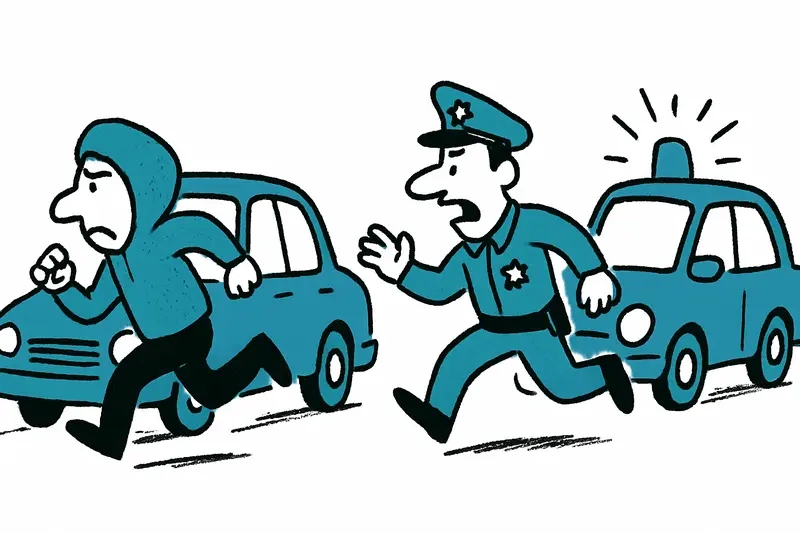
Rental Car Theft in El Arenal: What This Incident Reveals About Our Gaps
A teenager steals a running rental car in El Arenal, flees on foot, climbs over walls and is caught by the Guardia Civil...
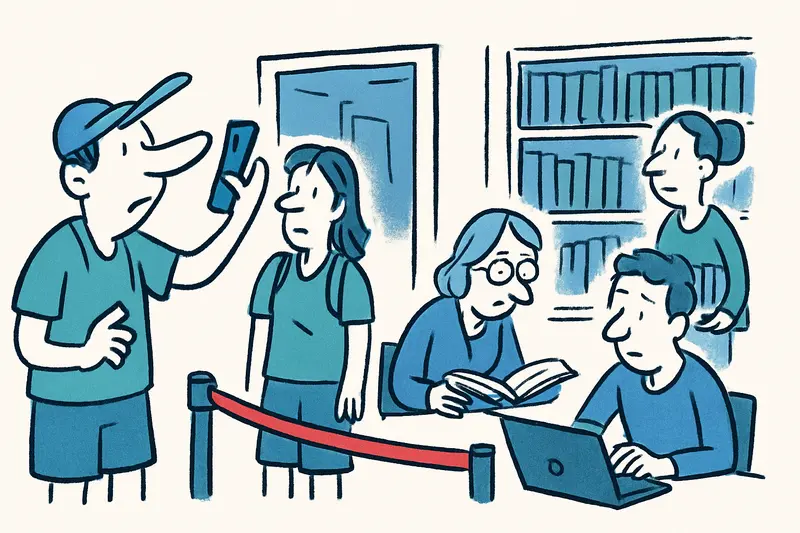
Red Rope in Palma's Library: What Helps Against Selfie Tourism — and What's Missing
Palma's city library cordoned off an area with a red rope to keep selfie tourism away from reading and working activitie...
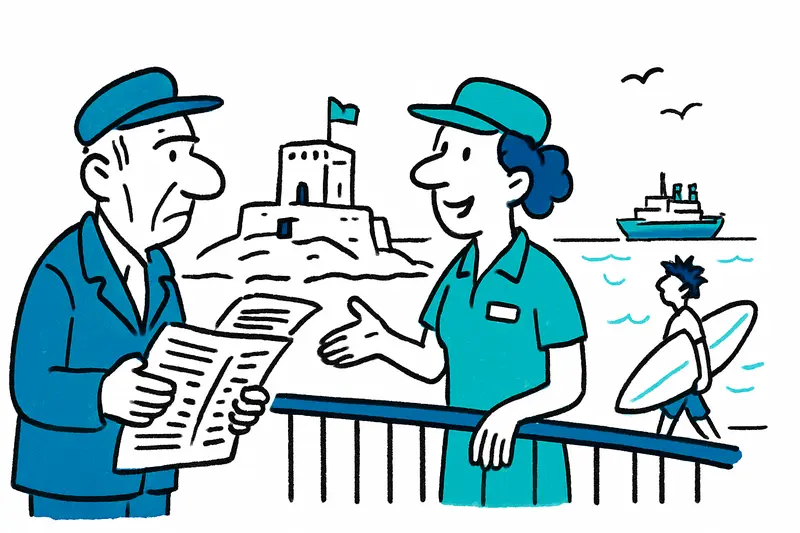
Fort San Carlos: Museum, Harbor Dispute — and a Conflict That Demands Answers
The military museum at Fort San Carlos sits right on Palma's harbor, with unexpectedly quiet rooms filled with cannons a...
Old Town Under Pressure: When a Doorway Becomes a Sleeping and Shower Place
For months a woman has been living with a parasol, a clothes rack and personal belongings next to the social welfare off...
When Shopping Weighs Heavier: Mallorca Demands a Tax Pause on Food and Fuel
Rising prices are putting pressure on households and agriculture. The Balearic Islands are calling for temporary tax rel...
More to explore
Discover more interesting content

Can Cap de Bou

Townhouse Lleo 72
