
Construction on the Balearic Islands: More Work in Sight — but What Challenges Remain?
Construction sites in Mallorca are getting busier again: public contracts and renovations are driving order growth. But materials, skilled workers and environmental concerns remain unresolved issues.
More construction sites, more noise — and many questions
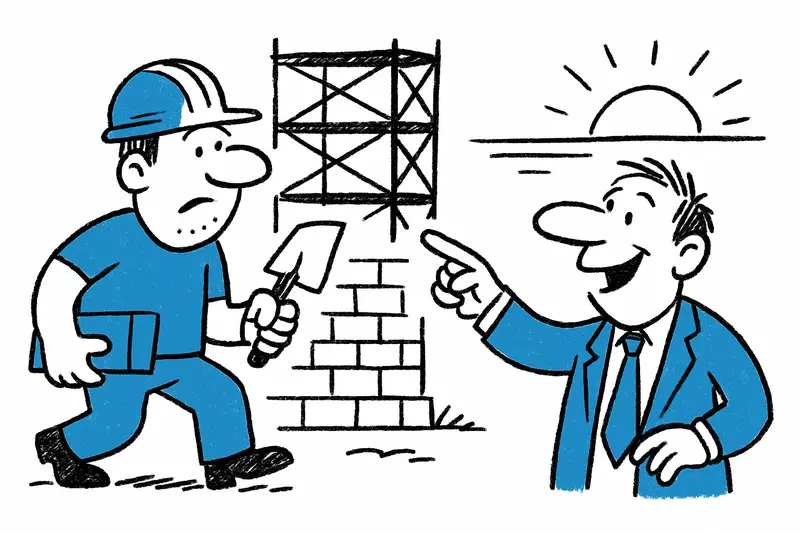
When the first vans honk in the morning and the little bakery on the corner is already open at seven, that's no coincidence: the construction sector on the Balearic Islands is feeling renewed activity. Masons grab a coffee before their shift, foremen leaf through plans, and scaffolding is appearing more often on the Plaça Major. The figures back up this impression according to Construction Boom in the Balearic Islands: Opportunities, Noise and the Tricky Road Ahead: renovations and modernizations are expected to increase by up to 37 percent, developers even anticipate around 40 percent more new-build projects — and public authorities have so far awarded contracts worth about €442 million.
Where is the impetus coming from?
Major projects act like a catalyst: works at Palma airport, detailed on Palma de Mallorca airport information, the planned new hospital in Felanitx or a new school in Llucmajor are examples of how infrastructure investments bring direct follow-up contracts to small craft businesses. Carpenters, electricians, scaffolders and suppliers benefit when large contracts are tendered in the region. On Harbor Street you can already see new scaffolders at work, and plan documents hang in town hall corridors — the signs point to a fresh start.
The upside: jobs and planning security
For many craft businesses this means concretely: more orders, hiring opportunities and hope for greater predictability. A foreman from Palma puts it plainly: “Finally planning security for at least a year.” For young trainees this can be a chance to stay in the region, as discussed in More Jobs from Tourism — but at What Cost? How the Labor Market on the Balearic Islands Is Changing. Businesses along construction routes receive short-term revenue boosts: the bakery, the building material supplier, the small coffee bar are typical early winners.
The less visible problems
But beneath the surface lie challenges that rarely make celebratory headlines. First logistics: more sites mean more heavy traffic on narrow island roads, more noise in residential areas and greater strain on old pavements. Municipal roads, often not designed for constant heavy transport, can quickly suffer damage.
Then capacities: are there enough skilled workers and materials to meet the announced growth? Many craft businesses are already operating at their limits. If demand suddenly rises, material shortages and longer waiting times threaten — this can delay projects and drive up costs. Quality is also a key question: faster construction must not lead to poorer workmanship or less care for protected monuments.
Climate goals, heritage protection, affordable housing
Another area of tension concerns climate protection and preservation of the existing stock. Are new projects planned ecologically, or will much remain at the usual standard? Renovations can improve energy efficiency, in line with the EU Renovation Wave initiative, but new builds do not automatically solve the affordable housing problem. Critics warn that new apartments are not necessarily inexpensive and that summer tourism pressure continues to influence construction activity and rents.
Heritage protection is not a side issue on Mallorca. In historic districts, alterations require special care; quick profit and irreversible loss of character can lead to conflicts with residents and authorities.
What should be done now — concrete approaches
For the upturn to be sustainable, good numbers alone are not enough. Municipalities, developers and associations must now work together. Some sensible measures would include:
- Coordinated traffic and logistics plans: scheduled working times, delivery corridors and alternative routes could reduce noise and traffic burdens for residents.
- Support for training and further education: short-term qualification offers for masons, electricians and specialists as well as incentives for young people to enter the sector.
- Priority for sustainable materials and renovation strategies: public tenders could mandate ecological standards, reward energy efficiency and favor repair over demolition.
- Transparency in tenders and local participation: if municipalities inform residents early and strengthen participation processes, local conflicts decrease.
Outlook: pragmatism is required
The mood is pragmatic rather than euphoric. The figures point to real potential, but implementation will be the test. For residents this initially means more noisy periods, traffic control at sites and delivery traffic. For craft businesses and suppliers, however, there are opportunities for stable employment.
Those who look closely can already see it: building plans on noticeboards at the town hall, the morning routine of the tradespeople, new scaffolding in side streets. This is not a short-lived hype but rather the slow return of work to a sector that waited a long time for contracts. Now it depends on whether the island can manage the construction so that jobs, quality of life and protection of the island remain in balance, as noted in Autumn boom in the Balearics: More jobs — but how sustainable is the upswing?.
Frequently asked questions
Why is there more construction work in Mallorca right now?
Will more building sites in Mallorca mean more noise and traffic?
Is Mallorca facing a shortage of construction workers and materials?
Are new buildings in Mallorca helping with affordable housing?
How does construction in Mallorca affect historic areas and heritage buildings?
What kind of jobs can construction growth create in Mallorca?
What should Mallorca municipalities do to manage more construction properly?
What does the construction boom mean for Palma and other towns in Mallorca?
Similar News

Release after bloody attack in Palma: Why the court's decision raises questions
An 18-year-old who allegedly inflicted a serious neck injury on a man at Plaza Gomila using a wristwatch wrapped around ...
Kidnappings in Inca: Three young men forced into car trunks and abused in the forest – a reality check
In Inca, three 18-year-old men were forced into car trunks by masked assailants at the Plaça des Bestiar, taken to a for...
Spreading Massification: The Brake That Still Has Much Work to Do
Marga Prohens announces limits on volume tourism. The measures sound harsh — but are they enough to save everyday life, ...

Through the Keyhole onto the Party Yacht: How Daniela Katzenberger Is Planning Her 40th on Mallorca
Daniela Katzenberger turns 40 and wants to celebrate it on the island — likely with a boat, cake and her mother. A relax...
By Boat Instead of the Road: Palma's Water Bus — a Reality Check
The 'Bus Nàutic' launches in two stages — but questions remain over interim operations, fares and environmental requirem...
More to explore
Discover more interesting content

Can Cap de Bou

Townhouse Lleo 72
