
Why Calçats Alba Is Closing — and What Palma Is Losing
Why Calçats Alba Is Closing — and What Palma Is Losing
Calçats Alba on the Plaça de la Mare de Déu de la Salut is ending sales after more than 70 years. A local tour, a critical question and concrete proposals for how Palma's retail structure can be saved.
Why Calçats Alba Is Closing — and What Palma Is Losing
A traditional shop on the Plaça de la Mare de Déu de la Salut closes after more than seven decades — and nobody has an easy answer
Next Saturday the doors of Calçats Alba will open for the last time. Large notices on the shop window read "Total clearance, shoes for €29 and €39." Walking along the Plaça de la Mare de Déu de la Salut you can hear the bells of Sant Miquel, the rattle of a delivery crate and the conversation of two elderly neighbours wondering whether they will recognise the street in ten years' time. This is the scene: a piece of commerce that is slowly going quiet.
Key question: Why are traditional shops like Calçats Alba disappearing from Palma's city centre — and what does this mean for everyday life here?
A sober inventory: the shop has existed for more than seventy years, the owner has not spoken publicly about the closure according to neighbours, and the neighbouring business remains open because its operator wants to keep it running. From the once-dense network of traders along the pedestrian zone only a few remain, a trend documented in When the Shop Windows Fall Silent: Small Shops in Mallorca Feel the Pressure in Summer 2025.
The criticism is obvious. Rents are rising, property owners prioritise short-term returns, online retail eats into passing trade, and young sales staff often find better conditions in other sectors or outside the city. At first glance these causes are not surprising. Looking more closely, however, there is often no system for succession, insufficient measures to stabilise fixed shop rents and too little transparency in commercial contracts. Someone who inherits a shop needs planning support, advice and financial incentives, not just good intentions.
What is too rarely mentioned in the citywide discussion is the social aspect. A shoe shop is more than shoes. It is a meeting place, a landmark for seniors, a workplace for apprentices and a noticeboard for neighbourhood announcements. When such places disappear, the daily infrastructure shrinks. In the afternoons fewer people sit in front of the café, the bakery receives fewer regular bread orders, and the square feels emptier — especially in winter when tourism does not fill the streets.
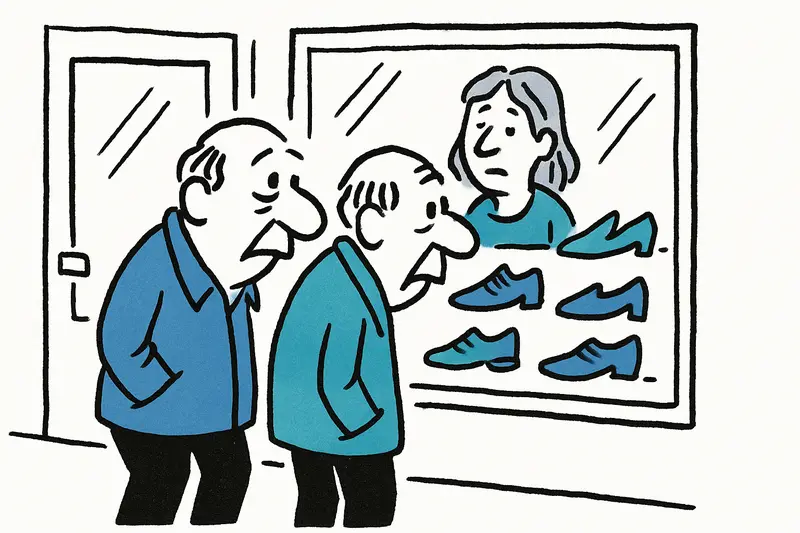
An everyday scene: it is early morning, the street sweepers are working, a delivery van stops on Carrer Sant Miquel, and two retirees pause in front of Calçats Alba's window. They talk about the past — shoe sizes, the woman who always knew exactly which pair would fit. They tuck their hands into their pockets and walk on. Memory places disappear bit by bit this way.
Concrete proposals that should be discussed: first, a municipal register for "local commercial assets," a list of shops with cultural significance that would receive tax relief on ownership transfer. Second, temporary rent brakes for core zones: not blanket price controls, but mechanisms to prevent sudden doublings. Third, city subsidies for succession programmes: advisory networks, legal advice for commercial lease contracts and start-up grants for new operators. Fourth, a lively mix of uses instead of pure boutique transformations: support programmes for crafts, repair services and traditional retailers that animate neighbourhoods day by day. These ideas intersect with ongoing discussions about market halls in the city, for example Palma re-tenders the Mercat de Llevant – Can the supermarket become a true market hall again?.
There is no patent remedy. But there are simple measures that could help immediately: information evenings for shop owners, a city hotline for lease questions, partnerships with banks for small bridging loans and targeted initiatives so that young entrepreneurs can test spaces under moderate conditions. Six-month pop-up support programmes, for example, prevent long-term vacancies and protect new business owners from ruinous starter rents.
What we as buyers can do is banal and effective: shop locally more often, not only out of nostalgia but because every euro spent in the neighbourhood matters — for wages, for tradespeople, for the street cafés. Municipalities can support this with temporary parking zones for customers, clearer information about local offers in tourist centres and weekly markets that bring regular customers into the streets.
The closure of Calçats Alba is not an isolated incident but part of a broader trend. Individual shop owners' decisions are personal and often understandable — but they are also political, because urban planning, land policy and economic promotion set the framework. If Palma's centre becomes a showcase for expensive concepts, the city loses its everyday quality; large-scale renovations and construction projects also reshape neighbourhood life, as noted in Plaça Mercat: 20 Months of Construction — Renovation Under Review.
Conclusion: complaining about the disappearance is not enough. We need honest figures on commercial tenancies, concrete instruments for succession and better coordination between the city administration, property owners and traders. Otherwise the farewell to Calçats Alba will become a normality nobody wanted — except those who see empty premises as a lucrative speculation opportunity.
Frequently asked questions
Why are traditional shops disappearing from Palma city centre?
What does the closure of a local shop mean for neighbourhood life in Palma?
Why is Palma losing small shops even outside the tourist season?
What can Palma do to help traditional shops stay open?
What is happening to Calçats Alba in Palma?
Where is Calçats Alba located in Palma?
How can residents support local shops in Palma?
Is the decline of traditional shops in Palma linked to city planning?
Similar News
So Many Tonnes: What Mallorca's Garbage Boats Accomplish — and What's Missing
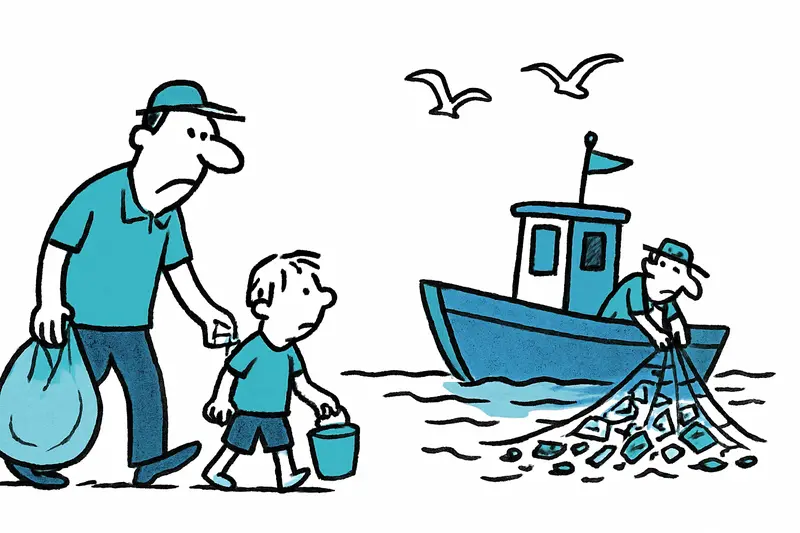
23 boats patrol in summer, and 36.8 tonnes were recently pulled from the water. The fleet is shrinking — is that still e...
No Identification Documents on the Steep Slope: Body near Tolleric Raises Questions
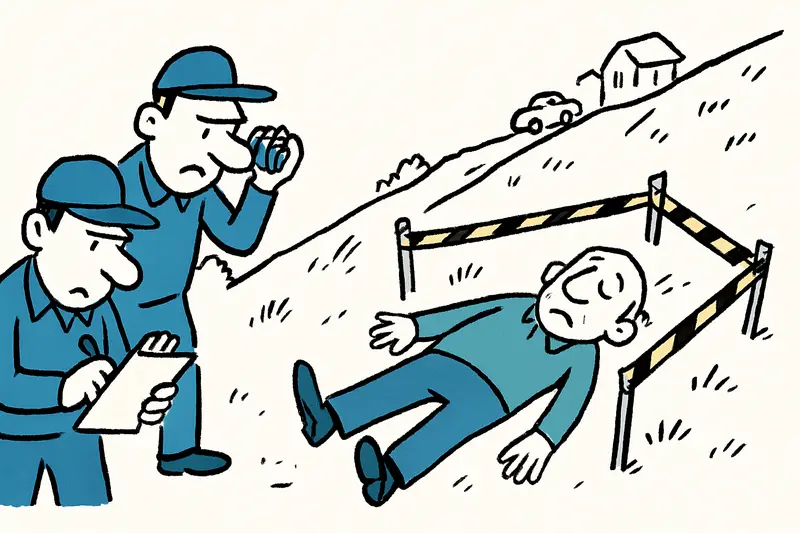
The body of an elderly man was found over the weekend in a wooded area near the cliffs of Tolleric. He had no identifica...

Arrest at the Port: Three Suspected Pickpockets Left Mallorca After Series of Thefts
The National Police stopped three men at Palma harbour who are accused of several thefts at the airport. How could the g...

Palma's Rental Bike Boom: More Bikes, More People, More City Life
Since Bicipalma was opened to non-residents, the system has noticeably grown. Students, residents and tourists bring lif...

Palma–Lyon in Winter: Two Weekly Flights Bring Fresh Momentum
From October Transavia France will connect Palma and Lyon in winter as well: Wednesdays and Saturdays, around 17,000 sea...
More to explore
Discover more interesting content

Boat Tour with BBQ along Es Trenc Beach
Private transfer from Mallorca Airport (PMI) to Pollensa
