
Consul on the Island: How Safe Are Germans in Mallorca Really?
Consul on the Island: How Safe Are Germans in Mallorca Really?
Wolfgang Engstler, the German consul in Mallorca, explains the limits of consular assistance, the most common problems German holidaymakers face and how the island could become safer and more socially fair.
Consul on the Island: How Safe Are Germans in Mallorca Really?
Lead question: How much protection does the German consulate really provide, and which problems around safety, tourism and housing remain invisible in the public debate?
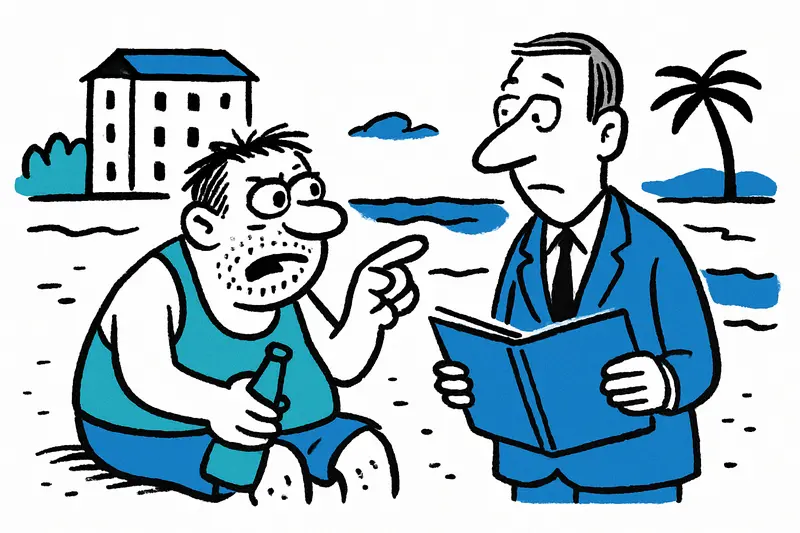
Saturday afternoon at Playa de Palma: loud music drifts from the bars, a police cruiser slowly drives along the avenue, somewhere a bottle clinks in the trash. Scenes like these shape the island's image in the media and are part of the consul's work. Wolfgang Engstler has been serving in Mallorca since May 2021; the consulate consists of eleven employees, four seconded diplomats and seven locally hired staff. He says that the area around Balneario 6 is often the focus of his working days because of the many German visitors. He plans to leave the island in mid-2026, and the consulate will move to premises at the Borne later in 2026.
In short: Mallorca remains largely safe. Engstler stresses this himself. At the same time, it is petty crime and loss of documents that often occupy the consulate. Pickpockets are a recurring issue, and lost passports mean stress and missed flights for many holidaymakers. In such cases the consulate assists with emergency travel documents for return, provided the formalities are clarified. An important note from consular circles: the consulate cannot intervene in Spanish criminal proceedings or secure someone's release. Assistance is limited to helping people help themselves, arranging a lawyer and looking after detention conditions — for example through prison visits, which are possible in cooperation with the German-speaking ecumenical visitor service.
The Balearic authorities have increased the police presence at tourist spots such as Playa de Palma. Engstler estimates that this has contributed to a decline in pickpocketing. This observation is confirmed by everyday experience: more watchful eyes on the beach are a deterrent. But police presence is only a targeted measure; structural problems remain: seasonal overload, informal street sales, latent security gaps in parking lots and overcrowded night buses.
What is often overlooked in public discussion are the long-term side effects of the tourism boom. Rising rents put pressure on locals and also on Germans who live on the island permanently. Many retirees and long-term residents face bureaucratic hurdles, language barriers and sometimes precarious living conditions. Those who move from Germany to Mallorca often underestimate wage levels, rental prices and other realities of the labor market.
A typical everyday scene: in the neighborhood around Passeig Mallorca you see retirees discussing in cafés in the afternoon, while landlords convert listings for apartments to market them as short-term rentals. Such scenes lead to tensions that can show up in protests or a chillier atmosphere toward tourists, as discussed in Between Welcome and Wariness: Germans in Mallorca — What's Really Happening. Engstler does not see a general rejection of Germans, but he understands the locals' situation — and he explains that the recent decline in German visitors has had more to do with higher prices and the economic situation than with a collective hostility.
Critical analysis
1) Visibility versus reality: incidents and parties at the Playa make for dramatic media stories, but they are limited in number. At the same time, everyday problems like housing shortages, old-age poverty among residents and bureaucratic distortions often remain invisible.
2) Limits of consular assistance: the consulate is a point of contact for identity loss, emergencies and cultural mediation, but it has no executive powers. This gray area between expectations and actual scope of action creates frustration among those affected.
3) Integration deficit: there is a noticeable social separation — German communities and Mallorcan neighborhoods often live side by side. This is neither solely a cultural nor only an economic phenomenon; both sides contribute to it.
What is missing from public discourse
Reports about isolated incidents dominate. Initiatives that could help in the long term are rarely discussed seriously: multilingual help points for seniors, mandatory measures for keeping document copies with airlines, municipal strategies against the tearing of the housing market, or low-threshold legal advice for residents and seasonal workers.
Concrete proposals
- Multilingual information campaigns at the airport and in hotels: not just safety tips, but also guidance on housing situations and dealing with authorities.
- "Consular pop-ups" in summer: mobile consultation hours at airports or in tourist centers to process lost documents more quickly.
- Acceptance of simple identity proofs for return travel: closer coordination between airlines, police services and consulates so that police loss reports plus a copy are accepted.
- Local neighborhood programs: cultural and meeting projects that deliberately bring German residents and Mallorcans together — in schools, community centers and at festivals on the plaça.
- Municipal rent regulation and greater pressure on platform providers to preserve long-term housing.
Everyday scene as a wake-up call
A walk through Santa Catalina in the early evening: theater posters hang next to notices for shared apartments, an older gentleman asks in Spanish about the bus, and a young family desperately searches for an affordable flat. The coexistence of cultural offerings and housing shortage is not an academic problem — it affects people here and now.
Engstler's conclusion sounds pragmatic: the consulate helps where it can, but the big questions must be solved politically and locally. More police solves crimes, but not the housing shortage. More cultural encounters do not alone fix market distortions. Both are needed.
Conclusion: Mallorca is safe, but not free of conflict. The island needs fewer headlines about slip-ups at the Playa and more concrete measures against the root causes: better information for visitors, low-threshold help for residents and a smart housing and tourism policy. Holidaymakers or residents should keep copies of important documents handy, maintain Spanish language skills and take local rules seriously. And island politics must work to ensure that the people who live and work here do not pay the price for tourist success.
Frequently asked questions
Is Mallorca generally safe for German holidaymakers?
What should I do if I lose my passport in Mallorca?
Does the German consulate in Mallorca help if I am arrested?
Is Playa de Palma safe at night?
Why is housing so difficult for people living in Mallorca?
Do many Germans live in Mallorca year-round?
What is the best way to prepare for a holiday in Mallorca?
Why are German visitors and locals sometimes at odds in Mallorca?
Similar News
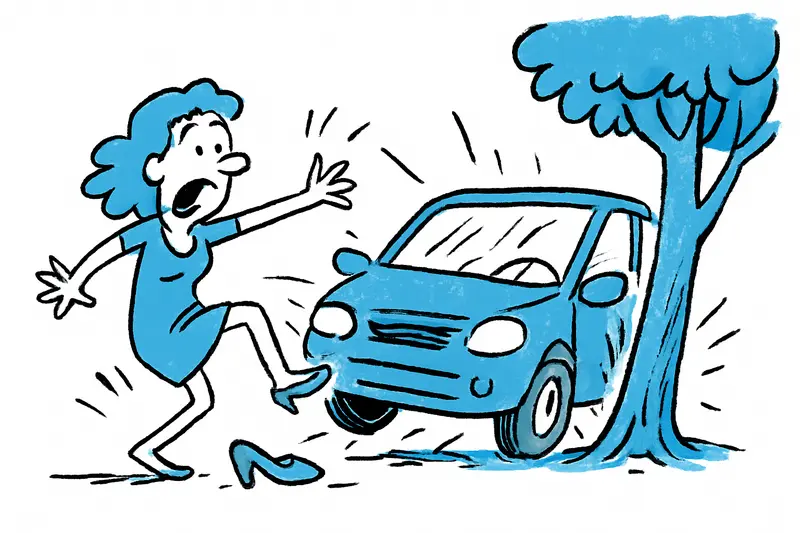
High heel slips, car accelerates: accident on Camí de Son Hugo
A woman lost a high-heeled shoe on the forecourt of the sports facility at Camí de Son Hugo. The car accelerated, mounte...
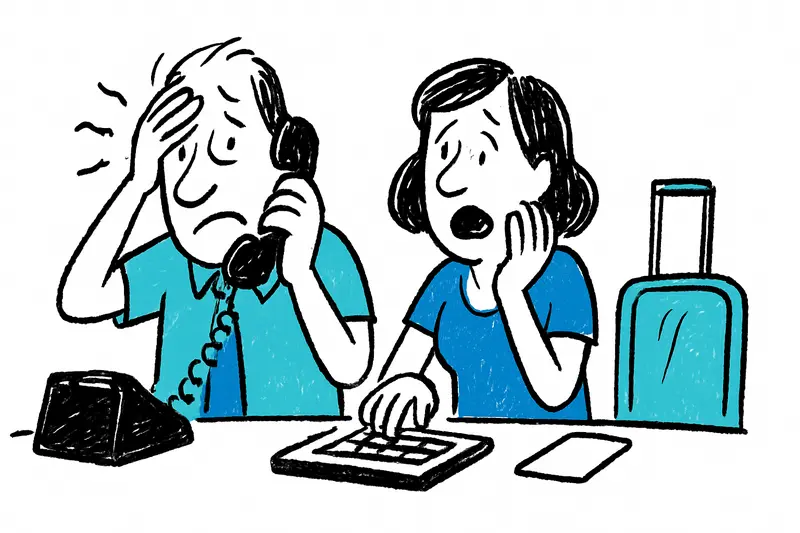
Phone Scam: How Two Hotel Employees at Playa de Palma Lost Thousands of Euros
One morning in September, two reception employees at Playa de Palma were pressured by alleged alarm-company staff — in t...

When the Wallet Becomes a Danger: Attack in Peguera and Lessons for Mallorca
In Peguera, two women are said to have stolen the wallet from a 75-year-old German couple. When the victim intervened, t...
Plata stays Plata: Young people take over, Llonguets remain
A small bar on Carrer de l'Argenteria will continue: Tolo Serra hands the place over to young Mallorcans at the end of t...
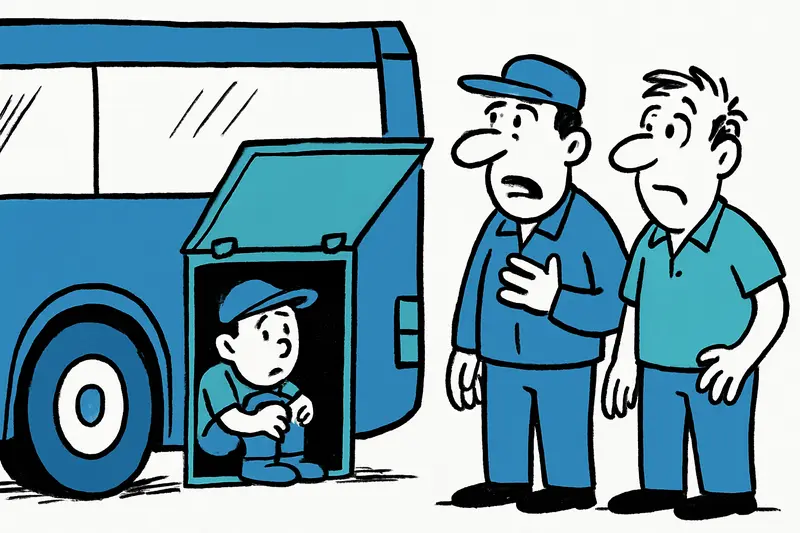
Unnoticed in the Luggage Compartment: How a Boy Traveled More Than 100 Kilometers in a Team Bus
A minor traveled in the undercarriage of a team bus for more than 100 kilometers until his cries for help were heard. A ...
More to explore
Discover more interesting content

Can Cap de Bou

Townhouse Lleo 72
