
600 Years of Sa Llonja: Palma's Gothic Meeting Place Celebrates and Continues to Breathe
600 Years of Sa Llonja: Palma's Gothic Meeting Place Celebrates and Continues to Breathe
The old maritime exchange Sa Llonja in Palma turns 600. A program of events brings the Gothic building more prominently into the city's awareness — and reminds us that history here remains public and audible.
600 Years of Sa Llonja: Palma's Gothic Meeting Place Celebrates and Continues to Breathe
If you walk along the Passeig del Born early in the morning, you first hear the street sweepers, then the bells of La Seu (Under the Seu: Palma's Maritime Museum Reopens After Renovation) and somewhere nearby the calling of the seagulls. The air in March is still fresh; today the thermometer in Palma reads about 11°C and a few harmless clouds drift over the bay. On just such a day, on March 11, Sa Llonja turns 600 — an age you wouldn't guess from its tall Gothic masonry and narrow windows.
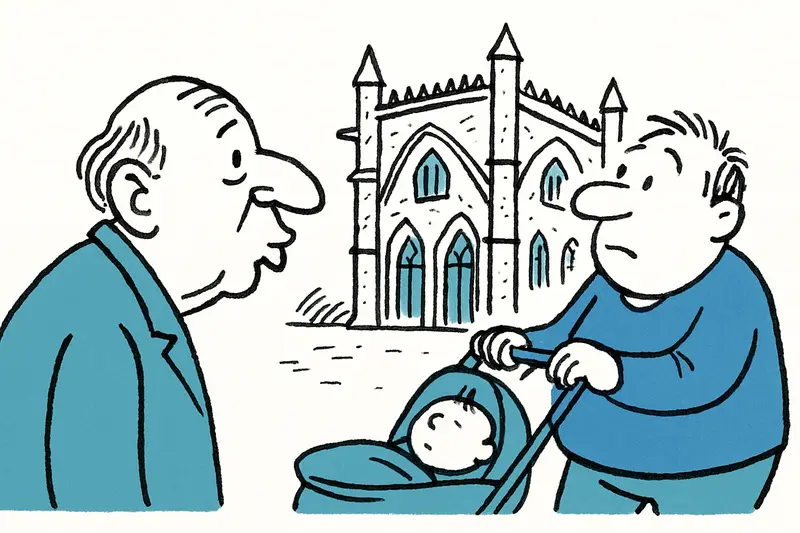
In 1426 the city's merchant community signed a construction contract with the master builder Guillem Sagrera; the exchange was meant to become a meeting place for trade, law and encounters. The site was once practically on the water; today only a memory of the former harbour proximity remains in the paving around the Plaça de Cort. Still: the Llonja shapes the cityscape. Standing at the façade you can still make out the pointed arches, the vault caps and the delicate gargoyles that Sagrera designed — a Gothic chapter in the middle of Palma's old town.
To celebrate the anniversary, the Balearic government has planned a series of events that place the building as a public institution at the center. The opening on the anniversary will be an introduction by a historian from the university. In the following weeks there will be talks, guided tours and a concert by the Mallorca Chamber Orchestra; on the evening of March 11, under the direction of Bernat Quetglas, Mozart's Requiem will be performed among other pieces. Such events bring not only tourists but also residents into the Llonja — school groups, retirees, young families with prams, the kind of people you meet on a normal morning at the Mercat de l’Olivar.
What is particularly right about this anniversary is that Sa Llonja was conceived from the start as a building for the public. In a time when historic buildings are often privatized or used only as backdrops, that is a reassuring thought. The planned lectures address architectural history, urban development and the role of old institutions in modern law — topics that show the building not only looks beautiful but also provides material for contemporary debates.
Walking through the lanes to the Llonja, you observe small everyday scenes: a barista wipes cappuccino drips from the counter in a café on the Carrer de Sant Jaume, young people are holding a discussion about a university project, an elderly couple sits on a bench and smooths their jacket. All of this belongs to a monument that does not belong behind glass cases, but right in the heart of the city. The anniversary series can strengthen exactly this connection: local cultural events, such as the La Beata in Palma: When the Old Town Becomes a Festival for a Night, discussion forums and school projects make the building a meeting place again.
What does this bring to Mallorca? First: awareness. When residents rediscover the history on their doorstep, the distance between heritage conservation and everyday life decreases. Second: quality tourism. Visitors who want to experience history on site stay longer and give the city center a different character than pure consumer flows. Third: future thinking. With events that also raise questions about urban planning and public space, the Llonja can provide impulses for future decisions, especially in the wake of incidents like the Collapse at Palma's City Wall: What Needs to Happen Now.
My tip: If you don't just want to observe the celebrations, go in the morning when the bakery on the corner displays freshly baked ensaimadas and the street is not yet crowded. Listen closely — the chamber music concert gains its own acoustics in that stone room; Mozart's Requiem sounds different there than in modern concert halls. And if you need a break afterwards, sit on a bench on the Passeig and watch the passersby: that's how history lives in Mallorca.
The 600 years of Sa Llonja are not an end, but an invitation: the city should use, visit and discuss the house. A Gothic building that breathes — that is a reason to celebrate.
Frequently asked questions
What is Sa Llonja in Palma?
Why is Sa Llonja celebrating 600 years in Palma?
What kind of events are planned for Sa Llonja's anniversary in Palma?
Is Sa Llonja in Palma worth visiting for locals as well as tourists?
What is the best time to see Sa Llonja in Palma?
What is the weather usually like in Palma in March?
Can you hear concerts well inside Sa Llonja in Palma?
What does Sa Llonja tell us about Palma's history?
Similar News

High heel slips, car accelerates: accident on Camí de Son Hugo
A woman lost a high-heeled shoe on the forecourt of the sports facility at Camí de Son Hugo. The car accelerated, mounte...

Phone Scam: How Two Hotel Employees at Playa de Palma Lost Thousands of Euros
One morning in September, two reception employees at Playa de Palma were pressured by alleged alarm-company staff — in t...

When the Wallet Becomes a Danger: Attack in Peguera and Lessons for Mallorca
In Peguera, two women are said to have stolen the wallet from a 75-year-old German couple. When the victim intervened, t...
Plata stays Plata: Young people take over, Llonguets remain
A small bar on Carrer de l'Argenteria will continue: Tolo Serra hands the place over to young Mallorcans at the end of t...

Unnoticed in the Luggage Compartment: How a Boy Traveled More Than 100 Kilometers in a Team Bus
A minor traveled in the undercarriage of a team bus for more than 100 kilometers until his cries for help were heard. A ...
More to explore
Discover more interesting content

Can Cap de Bou

Townhouse Lleo 72
