
Expropriation of Alaró Castle: Who Benefits from the Project, and Who Pays the Bill?
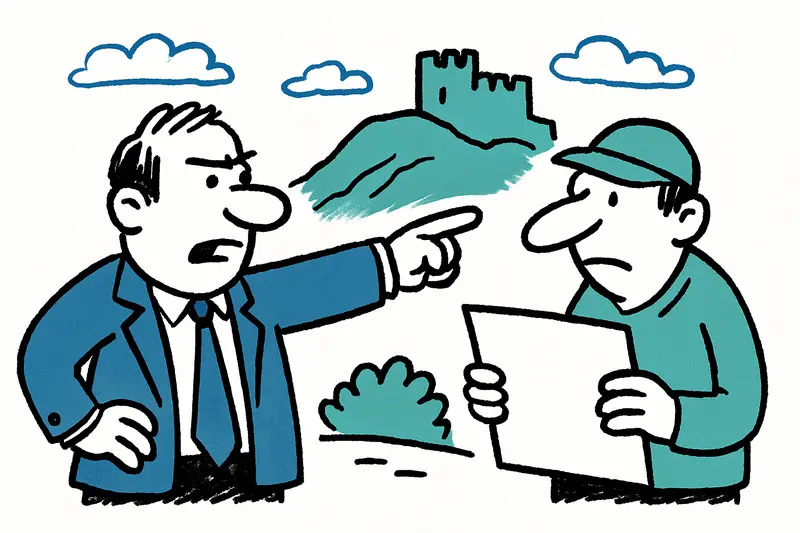
The Consell has initiated an expropriation procedure for Alaró Castle. A necessary step to protect the ruin — but questions about law, traffic, costs and public participation remain unanswered. A look at opportunities, risks and possible solutions.
Expropriation of Alaró Castle: Who Benefits from the Project, and Who Pays the Bill?
In the early morning in front of the old finca in Alaró the air smelled of coffee and cool mountain air. Hikers with thermoses counted the clouds above the Serra de Tramuntana — and wondered what the latest news would mean for their Sunday walk: The expropriation procedure for Alaró Castle initiated by the Consell de Mallorca. A decision with symbolic weight, but also with many practical questions.
The key question
Can the state rescue a decaying cultural heritage site without destroying its character and the daily life of local residents? That is the central question that must be resolved in the coming months. The answer is not only legal, but also political and planning-related.
Why now?
A new law for “strategic development projects” is intended to speed up procedures. The Consell sees this as an opportunity to secure the ruin, start initial work and make the site permanently accessible to the public. Goal: preservation instead of ongoing deterioration. But speed has its price: quick decisions risk sidelining important participation processes.
What has received little attention so far
Public debate is dominated by images of restoration and better paths. Less discussed are three tricky points: First, the long-term operating costs — who pays for guarding, cleaning, conservation-restorations and insurance? Second, the traffic solution: access roads are narrow, parking is limited and village cafés fear morning queues of tourists. Third, the legal duration of the expropriation (see Official State Gazette (BOE)): if owners sue, everything can drag on for years — with rising costs and further decay of the walls.
Practical risks
A rapid change of ownership without transitional measures could leave the ruin open and unsecured. An incoherent financing model would burden the municipality. And a missing mobility strategy could disrupt the delicate balance of agriculture, tourism and village life in Alaró. Last but not least, there is the risk of losing the castle's "real" aura if it is overly optimized for Instagram shots.
Concrete opportunities — and how they can be used
The expropriation offers real possibilities: permanent securing, archaeological supervision and accessible approaches (ICOMOS). To ensure these opportunities do not remain mere words, clear steps are needed. Proposals that could work here on the island:
1. Immediate measures before legal clarification: Temporary securing works (nets, rock stabilization) and a small protection service, paid from an emergency fund of the Consell, can prevent acute decay without prejudging the ownership question.
2. Mediated compensation and mediation: Instead of years of court proceedings, an independent valuation and a mediation process should be offered early on. Faster agreement reduces costs and uncertainty.
3. A clear operating plan with financing: A long-term plan that combines local income (entry wristbands, guided tours), municipal subsidies and a small portion of tourist levies. Important: surpluses should flow into conservation and local projects, not into general budgets.
4. Mobility and visitor management: Parking on the edge of the village, shuttle buses on weekends, guides with limited group sizes and staggered entry times. This keeps the mountain road passable and the village bar free for locals in the morning.
5. Participation and transparency: Early public meetings, working groups with residents, hiking clubs, archaeologists and environmentalists. A citizens' advisory board can accompany implementation and build trust.
Voices from Alaró
The café owner on the Plaça puts it in one sentence: “The castle should stay — but please in a way that we still have a place at the counter in the morning.” Members of the local hiking clubs demand better signage and fewer cars on the mountain paths. Environmental groups insist on archaeological supervision for every intervention.
What happens next
The Consell de Mallorca official website announced that it will begin initial securing works this winter and later start a participation process. Anyone who wants to have a say should keep an eye on the official dates. What matters is this phase — it will decide whether the castle remains a piece of living island history or becomes a show set with a parking lot.
Personal observation: Alaró Castle lives through its cracks, its leaning walls and the stories told by villagers and hikers. It would be a shame if the willingness to save it erased the soul of the ruin. With careful planning, clear financing models and genuine citizen participation, the expropriation could become a model case for responsible monument conservation in Mallorca.
Frequently asked questions
What is happening with Alaró Castle in Mallorca?
Who will pay for Alaró Castle’s restoration and upkeep?
Will the expropriation of Alaró Castle affect hiking and visits from Mallorca villages?
Why is there concern about delays in the Alaró Castle expropriation?
Can Alaró Castle be opened to the public without losing its original character?
What kind of traffic or parking plan is being discussed for Alaró Castle?
How can residents of Alaró take part in decisions about the castle?
What happens next with the Alaró Castle expropriation in Mallorca?
Similar News

The End of the Cheap Ride? Why Mallorca Is Hit Harder by the Fuel-Price Shock
Gasoline and diesel average close to two euros per liter. What this means for commuters, supply chains and renters in Ma...
Relaxed liquid rules in Munich: What Mallorca travelers will notice
At Munich Airport the 100-milliliter rule will be lifted at all checkpoint lanes — thanks to new CT scanners passengers ...
For 45 Years on Mallorca — and Then This: How a Market Visit in Santa Ponsa Became a Lesson
A woman who has lived on the island for decades lost money and important documents at the Mercat Setmanal in Santa Ponsa...
10 percent surcharge on the beach: How legal and transparent is the extra charge at Playa de Muro?
A German part-time resident noticed days after a restaurant visit in Playa de Muro that the bill included a flat ten per...

Body near the Llevant Market: What this death says about our city
A man was found dead on Sunday afternoon near the Llevant Market. Police say the death appears natural. The scene raises...
More to explore
Discover more interesting content

Can Cap de Bou

Townhouse Lleo 72
