
Fatalities after collision near Santa Maria: A stop sign, two vans — and many unanswered questions
Fatalities after collision near Santa Maria: A stop sign, two vans — and many unanswered questions
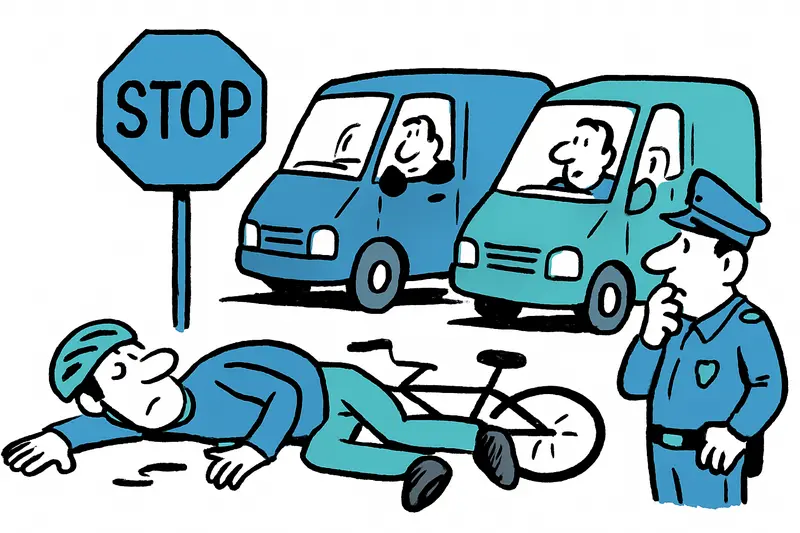
A cyclist in his 40s died on the road between Santa Maria del Camí and Santa Eugènia. He reportedly missed a stop sign and was hit by two vans. The Guardia Civil is investigating. What is missing from the debate — and what could help prevent such accidents?
Fatalities after collision near Santa Maria: A stop sign, two vans — and many unanswered questions
Key question: What needs to change on our roads so that cyclists no longer risk their lives at junctions?
Yesterday a cyclist died on the connecting road between Santa Maria del Camí and Santa Eugènia. According to the facts known so far, the approximately 40-year-old man, who was from abroad, apparently missed a stop sign and was struck by two delivery vans traveling in opposite directions. Paramedics were unable to save him. One driver suffered facial injuries. The Guardia Civil has begun its investigation.
These brief facts explain what happened, but not why. On Mallorca's secondary roads in the mornings, delivery traffic, commuter cars, cyclists and agricultural vehicles meet in close quarters; for instance, Serious accident near Santa Eugènia: How could it come to this? Paramedics were unable to save him. One driver suffered facial injuries. The Guardia Civil has begun its investigation.
Such everyday scenes can quickly turn into life-threatening situations — especially at poorly designed junctions.
Critical analysis: A stop sign is not a cure-all. If sightlines are blocked, signs are poorly mounted, or speeds are high, the sign alone is not enough. On the stretch between the two towns, high speeds and confusing geometry can drastically shorten the reaction window for all road users. That two vehicles traveling in opposite directions hit the cyclist suggests the situation was completely unexpected for the rider, and similar crashes are reported elsewhere such as Fatal accident on the Ma-19 near Llucmajor: Why motorcyclists are repeatedly affected.
What is often missing in the public debate is attention to the infrastructure of these so-called connecting roads. There is much talk about major roads and peak times, but too rarely about the small junctions that locals and visitors use every day. The topic of delivery traffic is also underexposed: many courier and delivery trips occur outside usual traffic planning and increase the number of conflict points.
An everyday scene: early in the morning a bakery in Santa Maria is full of locals, a farmer maneuvers beside the cemetery, a parcel service briefly parks on the carriageway — it all looks innocuous until someone at a junction stressed by time ignores the right of way. Such images are part of island life and show how quickly routine can turn into tragedy.
Concrete solutions that could be effective here:
1. Visibility and sightline checks: Every municipality should systematically inspect vulnerable junctions: cut back vegetation, standardize sign heights, refresh markings. Often a few metres of clear sightline are enough for a stop sign to be noticed.
2. Speed and traffic calming: Reduced speed limits on connecting roads, speed cushions, or redesigning junctions as small roundabouts can drastically reduce collision energy. Visible skid marks are not a solution, but lower speeds are.
3. Managing delivery traffic: If delivery windows are scheduled outside peak hours and parking bans are strictly enforced, the number of dangerous encounters is reduced. Municipalities could negotiate local rules with major logistics providers.
4. Cycling infrastructure: Where possible, safer connecting paths away from the carriageway, clearly marked cycle crossings, or at least warning markings before junctions would give cyclists more time to be seen.
5. Data, enforcement and prevention: Open crash maps, targeted checks by the Guardia Civil and local police, and prevention campaigns — including in multiple languages for tourists and new residents — help identify patterns and act purposefully; local reporting such as Fatality in Rear-end Collision on Ma-5013: Could the Crash Have Been Prevented? illustrates the need for such measures.
From the neighbourhood's perspective, action is not an abstract project but a practical duty. A residents' forum that reports problematic junctions, regular on-site inspections by the municipality and transparent accident statistics would make the debate more factual and build pressure on decision-makers.
Conclusion: The fatal accident near Santa Maria is a reminder that traffic planning is detailed work. A stop sign alone does not replace a safe junction. If the island community seriously wants to prevent people from dying on ordinary roads, it needs visible measures, clear rules for delivery traffic and better coordination between municipalities and the Guardia Civil. Otherwise the scenario will repeat at another junction — with the same tragic result.
Frequently asked questions
Why are junctions on Mallorca's secondary roads often dangerous for cyclists?
What makes a stop sign on Mallorca not enough by itself to prevent crashes?
Is it safe to cycle on Mallorca's connecting roads early in the morning?
What road safety changes could help prevent cyclist deaths in Mallorca?
What should Mallorca municipalities check at dangerous junctions?
Why are delivery vans mentioned so often in Mallorca traffic accidents?
What is the road between Santa Maria del Camí and Santa Eugènia like for cyclists?
How can residents help improve road safety in Mallorca's villages?
Similar News
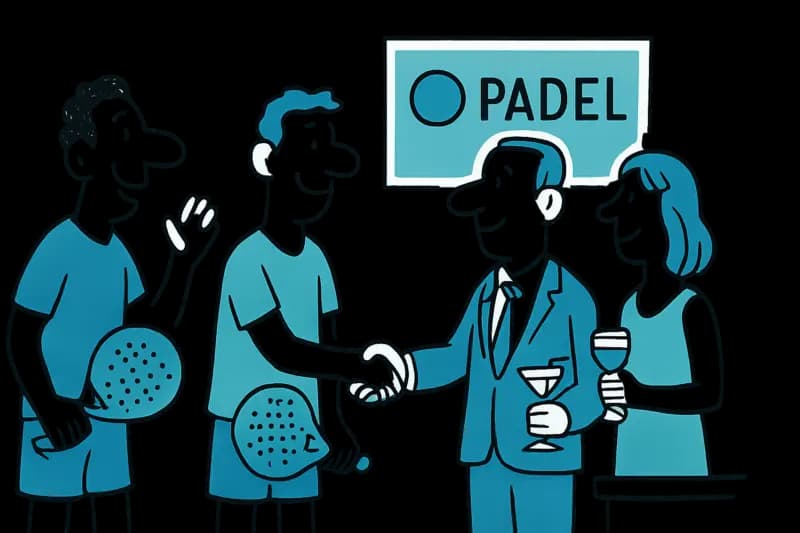
Bendinat as a meeting place: Padel Cup brings together nearly 120 players
Three days of padel at the Bendinat Urban Country Club: organized by El Económico and Borbalán, with around 120 particip...
Large-scale Anti-Tourism Graffiti at Cala Mendia: Protest or Vandalism?
On the morning walkers discovered an approximately 50-meter-long slogan against tourism on the wall above Cala Mendia. W...
Bomb threat before Jet2 flight in Tenerife: A reality check for security protocols
A passenger reported a bomb in luggage shortly before departure in Tenerife. Evacuation, baggage checks, delays — and ma...
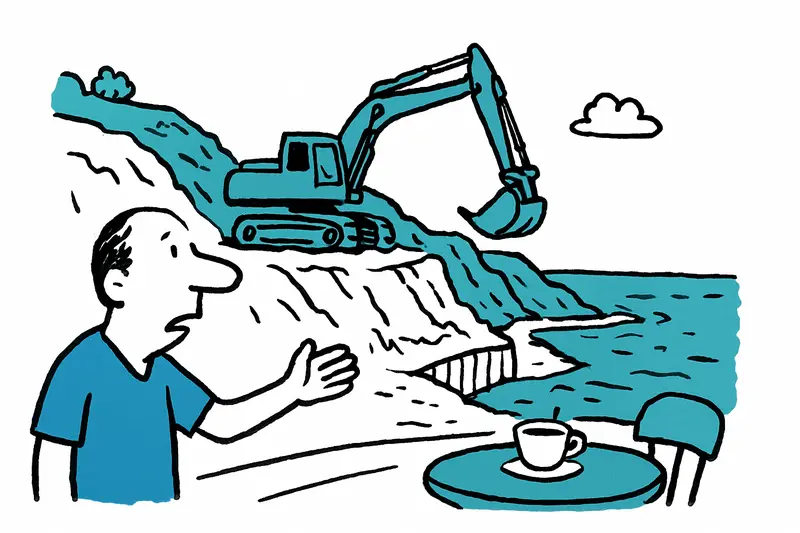
Who is stripping Mallorca's coast bare? Why entire slopes are being removed for villas
On Mallorca steep slopes are again being removed to make way for luxury construction sites. Who bears the responsibility...
Robber Falls While Fleeing in Sant Agustí: Who Takes Responsibility?
During a purse-snatching in Sant Agustí, a non-commissioned officer chased the suspect; the man jumped from a bridge and...
More to explore
Discover more interesting content

Can Cap de Bou

Townhouse Lleo 72
