
Death in Colònia de Sant Jordi: Could better precautions have made a difference?
An 80-year-old dies after a swimming accident near Colònia de Sant Jordi. Why such tragedies happen and what lessons Mallorca should learn.
A quiet afternoon, a loud cry
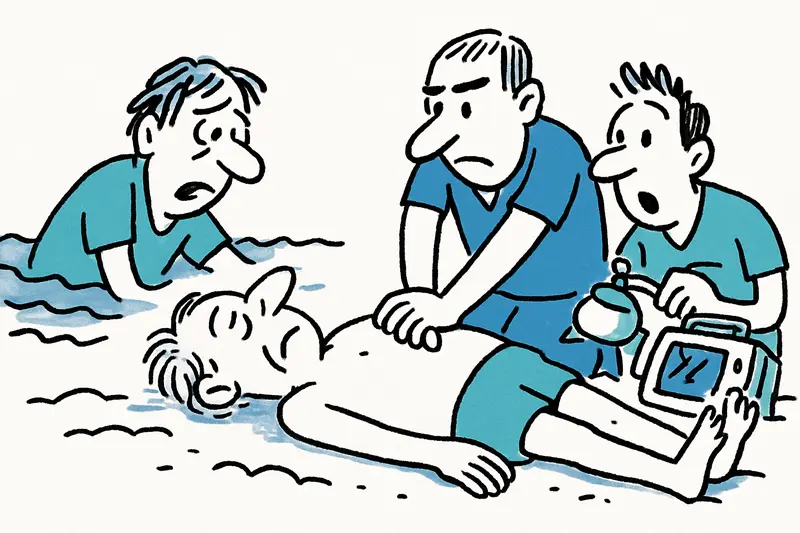
It was one of those hot, clear afternoons on the southern tip of Mallorca: cicadas were chirping, gulls' cries mixed with the distant hum of small excursion boats, and the shore smelled of salt water and sunscreen. Around 2:30 p.m., however, a cry of panic broke the routine — beachgoers pulled an 80-year-old man from the water near Colònia de Sant Jordi. Rescue teams took over shortly afterwards and began resuscitation efforts. Despite chest compressions, ventilation and the use of a defibrillator, the man died on the beach. Local reporting is available: Fallecimiento en Colonia de Sant Jordi: un hombre de 80 años muere tras un accidente de baño.
The official trail: investigations and open questions
The Guardia Civil and the local police have now begun an investigation; a forensic analysis is expected to clarify the cause of death. Was it a medical collapse on land, a stroke or heart attack, or did an undercurrent in the seemingly calm water play the fatal role? These questions are not only technical: they touch on how we think about our beaches. For context on related reporting in the region, see Cardiac Arrest While Swimming in Colònia de Sant Pere: A Death and the Question of Prevention.
The immediate response of those who helped is evident; the question of systemic gaps remains. Eye witnesses describe how first responders began work in the water until professionals arrived. But in critical minutes every second counts: Was a lifeguard nearby? Was a publicly accessible AED (automated external defibrillator) available? Was the mobile network stable enough to summon help quickly?
What is often overlooked in the public debate
Conversations on the Colònia de Sant Jordi promenade reveal three things many tourists — and some locals — underestimate. First, the age of bathers. Seniors increasingly visit busy but poorly supervised coves. Second, the underestimated forces of nature — shallow waves can be deceptive, undercurrents are not. Third, gaps in the rescue system away from major beaches: smaller coves often lack permanent lifeguard coverage, clearly visible emergency boxes or warning signs about hazards.
Less obvious but relevant is the preparedness of holiday service providers. Landlords, beach bars and boat operators are often first points of contact — could they be better trained to respond in the first minutes? Could municipalities and rescue services place AED stations strategically so a device is reachable within seconds? Further regional reporting discussing prevention measures is available: Paro cardíaco al nadar en Colonia de Sant Pere: una muerte y la pregunta sobre la prevención.
Concrete opportunities: what Mallorca should consider more strongly now
Practical steps can be derived from the tragedy. First: more widespread AED locations at popular bathing spots, combined with clear signage and multilingual information. Second: more certified lifeguards, not only at main beaches like Es Trenc, but also at popular side coves around Colònia de Sant Jordi — at least during the main season. Third: visible information campaigns for visitors and hosts about undercurrents, recognizing distress signs and the correct way to call for help (emergency number 112 or SAMU 061).
Fourth: local first-aid initiatives. A short, practical course for landlords, boat operators and beach bar staff — cardiopulmonary resuscitation and AED use — could greatly increase the number of helping hands in the first critical minutes. Fifth: consider digital solutions — emergency apps that quickly transmit location data could save time in remote coves.
A quiet appeal to everyday beach life
These proposals are no guarantee against accidents. But they express a simple truth: preparation multiplies the chance of saving a life. In Colònia de Sant Jordi, between the boats to the island of Cabrera and the reviews for Es Trenc, the memory of this sad afternoon should not fade quickly.
Our thoughts are with the relatives of the deceased and with the helpers who tried everything. For anyone on Mallorca's beaches: look out for one another, report anything unusual early and consider whether a first-aid course might be a sensible addition to your holiday. A moment of precaution can save a life — and that is a lesson that can be put to good use locally.
Frequently asked questions
Is it safe to swim in Mallorca even on calm days?
What should I do if someone collapses while swimming in Mallorca?
Are lifeguards always present at beaches in Mallorca?
Do beaches in Mallorca have AEDs nearby?
Why is Colònia de Sant Jordi often mentioned in beach safety discussions?
What are the main risks for older swimmers in Mallorca?
What should holiday renters and beach staff in Mallorca know about emergency response?
When is beach safety most important in Mallorca?
Similar News
Masked Images, Real Panic: When Social Media Aesthetics Alarm Neighbors
Five German content creators filmed on a recently vacated detention site using deceptively realistic props. The result: ...
Why the Striped Breams in Cala Pí Should Be a Wake-up Call
Once again bathers in Cala Pí were surrounded while swimming by small, nippy fish — some wounds bled. Time for clear rul...

Daily from New York: How Palma's Air Traffic Is Growing — and What Must Change
United will increase the Newark–Palma service to daily flights in 2027 (Boeing, 231 seats). Strong tourist numbers clash...

When Love Ends in Shards: Destruction in Son Vida and the Questions That Remain
In Son Vida a relationship dispute escalated: a woman destroyed furniture in a luxury villa, later pressed a panic butto...
Who Bears the Burden? Mallorca Between Tenant Protection and Landlord Fears
Madrid's new housing decrees strengthen tenant rights — but on Mallorca concern is growing: will the law drive small lan...
More to explore
Discover more interesting content

Can Cap de Bou

Townhouse Lleo 72
