
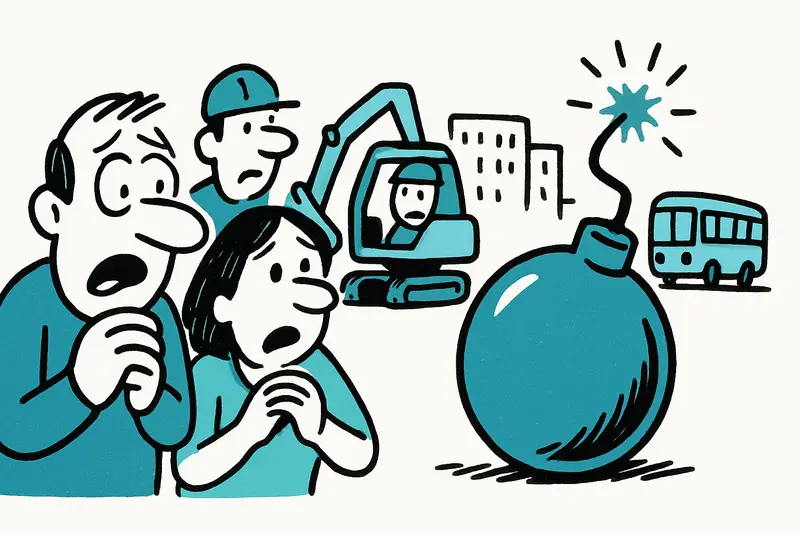
The Demographic Time Bomb: How Mallorca's Growth Stresses Daily Life and Infrastructure
The Demographic Time Bomb: How Mallorca's Growth Stresses Daily Life and Infrastructure
On Mallorca, population and construction activity are growing rapidly — but a realistic plan for water, transport and affordable housing is missing. A reality check with clear questions and concrete proposals.
The Demographic Time Bomb: How Mallorca's Growth Stresses Daily Life and Infrastructure
Guiding question
How far can Mallorca grow before roads, hospitals, sewage plants and drinking water supplies can no longer keep up — and which measures would actually protect life on the island?
Critical analysis
Over the past 25 years the island's population has increased by about 42 percent; figures in the public debate also cite plans and land areas that could provide space for tens of thousands of new homes. Legislative relaxations could, according to calculations, create room for significantly more than 37,000 additional properties, which would mathematically provide space for more than a quarter of a million people. These figures are examined in How many residents can Mallorca sustain? Growth, pressure and ways out of overcrowding. Other assessments even point to land reserves sufficient for almost 180,000 homes, enabling population growth on the order of over half a million people, as discussed in When Mallorca Grows: Strategies for an Island in Transition. At the same time experts warn of bottlenecks already being felt: affordable housing is scarce, clinics and schools are operating at capacity, roads are reaching their limits and drinking water reserves have fallen.
What is missing from the public debate
The debate often focuses on housing stock numbers, airport passengers or blanket proposals to limit building. We rarely talk about the costs of continued growth for everyday supply: who pays for additional sewage plants, how will groundwater and ecosystems be protected, what role does seasonality play in labor demand and how can long-term local households be protected from displacement? Also lacking is a sober assessment of which political competences exist at island or regional level if migration had to be managed by EU or national authorities, a concern raised in Population boom in the Balearic Islands: What does it mean for Mallorca?.
Everyday scene from Mallorca
It is Tuesday morning at Mercado del Olivar: vendors stack oranges, a digger rumbles in the street next door, delivery vans circle the Paseo Marítimo, the bus to Marratxí arrives five minutes later than planned. A young couple stands in front of a new building checking their ID to see if they can afford the apartment. Such small scenes repeat across the greater Palma area and in municipalities like Calvià or Llucmajor — concrete places where growth and everyday problems meet, as described in When the Surroundings Overtake Palma: Opportunities, Risks and the Quiet Revolution on the Island.
Concrete solutions
1. Moratorium and review: A temporary building stop on newly designated areas until independent environmental and infrastructure assessments are available. This creates breathing space to realistically calculate consequences. 2. Securing housing for locals: Priority areas for social and cooperative housing; allocation rules that give preference to eligible island residents and workers employed on the island. 3. Capacity-oriented planning: New approvals for tourist accommodation or large projects only with proven water, wastewater and traffic planning; if necessary, consider slot limits for air traffic. 4. Decentralized economic promotion: Invest in sectors with low turnover and low seasonal peaks to reduce dependence on labor-intensive mass tourism. 5. Water strategy: A combination of consumption limits, more efficient agricultural irrigation, smarter urban water management and critical evaluation of new desalination projects (ecological costs vs. benefits). 6. Tax and regulatory instruments: Taxes on second homes, stricter rules on property sales to non-residents and incentives to convert vacant holiday rentals into long-term rentals.
What is politically possible in the short term
Mallorca is part of Spain and the EU; many levers are not solely in the hands of the island government. Still there is room for action at municipal and regional level: development plans, requirements for social housing, licensing for tourist businesses and local tax models. It is also worthwhile to form coalitions of municipalities, entrepreneurs and civil society so that infrastructure investments and restrictions are not played off against each other.
Pithy conclusion
The numbers are not a bogeyman but a warning signal. Anyone who continues to open up land without simultaneously planning supply, social security and environmental burdens in a binding way risks making Mallorca unlivable. A sensible first step would be to count the consequences and set priorities clearly before new building permits are drawn into the landscape.
Frequently asked questions
Is Mallorca’s population growth already affecting everyday life?
Why is affordable housing such a problem in Mallorca?
Are Mallorca’s roads and public transport keeping up with growth?
Is there enough drinking water for Mallorca if the island keeps growing?
What is happening in Palma’s market areas and busy streets as Mallorca grows?
Why are Calvià and Llucmajor often mentioned in Mallorca’s growth debate?
What could Mallorca do to manage growth more responsibly?
Can Mallorca’s local government really control population pressure?
Similar News

Rental Car Theft in El Arenal: What This Incident Reveals About Our Gaps
A teenager steals a running rental car in El Arenal, flees on foot, climbs over walls and is caught by the Guardia Civil...
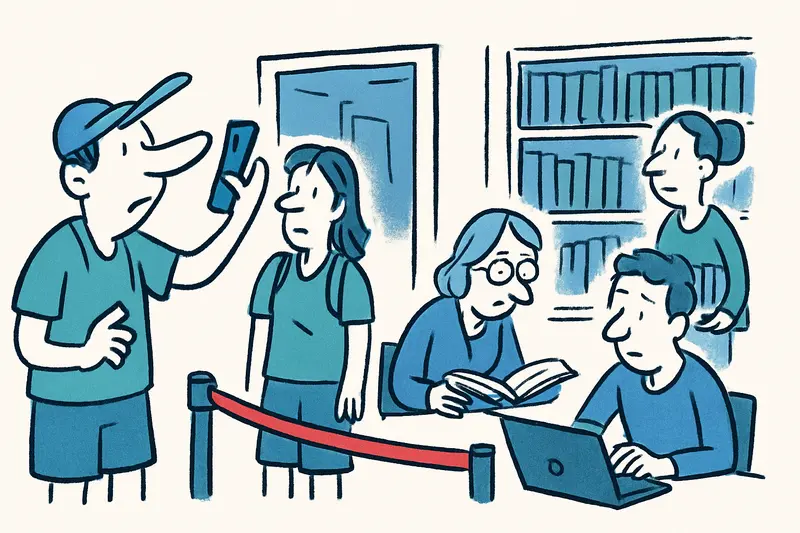
Red Rope in Palma's Library: What Helps Against Selfie Tourism — and What's Missing
Palma's city library cordoned off an area with a red rope to keep selfie tourism away from reading and working activitie...
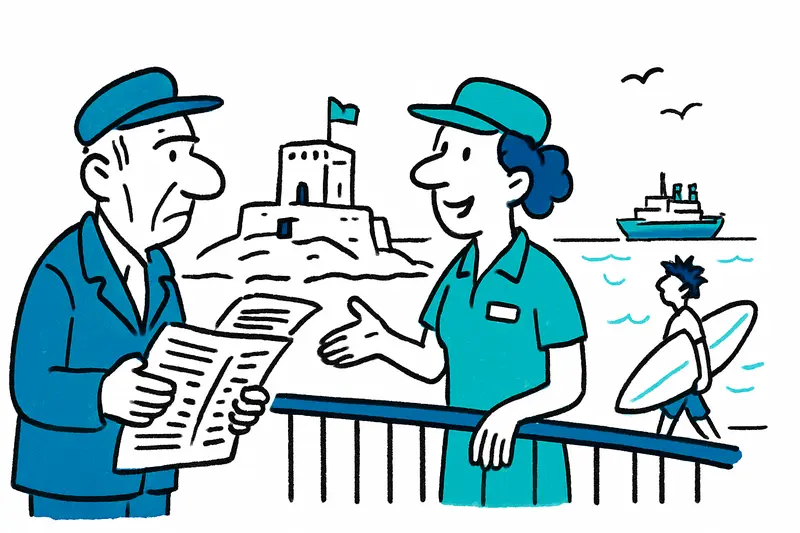
Fort San Carlos: Museum, Harbor Dispute — and a Conflict That Demands Answers
The military museum at Fort San Carlos sits right on Palma's harbor, with unexpectedly quiet rooms filled with cannons a...
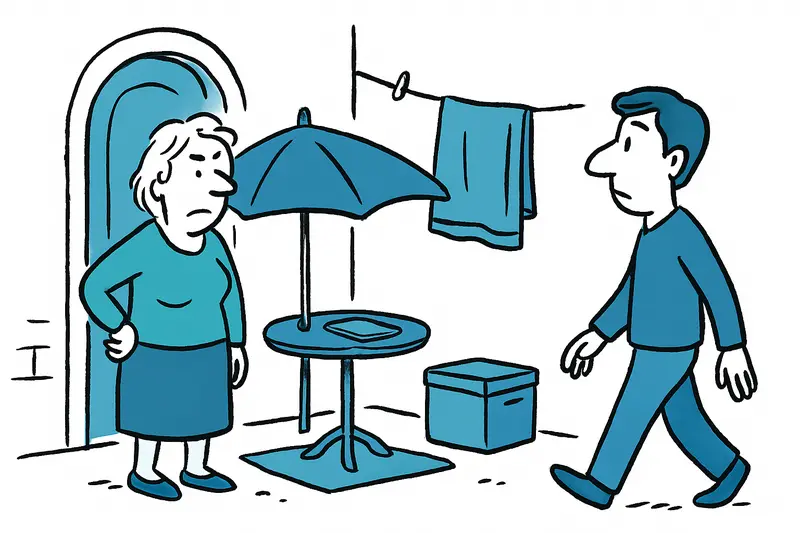
Old Town Under Pressure: When a Doorway Becomes a Sleeping and Shower Place
For months a woman has been living with a parasol, a clothes rack and personal belongings next to the social welfare off...
When Shopping Weighs Heavier: Mallorca Demands a Tax Pause on Food and Fuel
Rising prices are putting pressure on households and agriculture. The Balearic Islands are calling for temporary tax rel...
More to explore
Discover more interesting content

Can Cap de Bou

Townhouse Lleo 72
