
The End of Son Dureta: Demolition Creates Space — But at What Cost?
The demolition of Son Dureta is almost finished. A modern health and care center is planned, but neighbours fear dust, traffic and gaps in services. Who will guarantee care during construction, and what compromises should the city and developers make now?
The End of Son Dureta: Demolition Creates Space — But at What Cost?
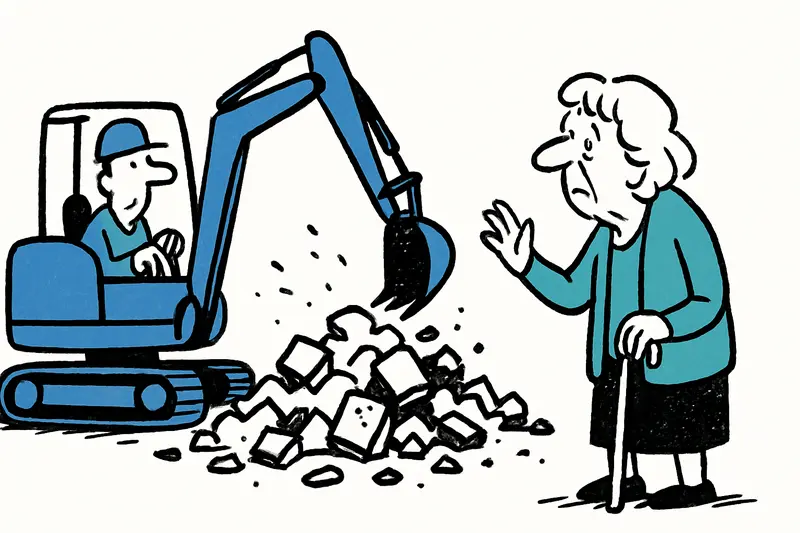
It was a morning typical of Palma: the air still a bit cool, a few seagulls over Plaça Espigulen, and then that deep rumble — an excavator on Calle Son Dureta pushing the last concrete slabs aside. For many it was a sound that felt like a rupture. The building from the 1950s, which had accompanied people on the island for decades, has fallen except for a few remains, as reported in Son Dureta disappears: end of an era, beginning of a debate. What remains is not just an empty plot, but a series of open questions.
The big question: Who really benefits from the new center?
The site will make room for several new buildings with around 300 beds, a day clinic, rehab and geriatric services. A newer health center is already under construction and is estimated to regularly serve about 20,000 people from Palma; the recent coverage notes the finished demolition making space for that project (Demolition finished at Son Dureta: space for a new health centre). On paper that sounds like progress: more modern medicine, integrated services and more care places. But for residents and business owners on Avenida la Cuestión it is clear: progress comes at the cost of noise, dust and detours. The central question therefore is: Who benefits in the short and long term — and who bears the burdens until the new services are actually available?
Short term traffic increases, deliveries become more difficult, parking spaces disappear. Manuel, a baker on the corner, talks about early-morning dust on his bread baskets and delayed deliveries. The construction company has hung dust-protection nets and announced special cleaning vehicles — yet there are still residues lying around in the evening. A tangible sign that theory and everyday life do not always go hand in hand.
Long term the city and health authority promise better care and barrier-free access. But between promises and reality lie approval procedures, financing plans and the question of staff: Will enough nurses and carers be found? How will outpatient care be ensured during construction? These questions are often not asked loudly enough while the machines are still rumbling.
Aspects that receive too little attention in public debate
First: continuity of care. If existing wards are closed, alternatives must be ready. For chronically ill and elderly people, short interruptions in care are not a minor matter. Second: traffic and the environment. The bottleneck on the avenue is already vulnerable, and with additional construction traffic the problem worsens — especially on windy days, when the Tramuntana carries dust and noise further (AEMET Tramuntana wind forecasts). Third: culture of remembrance. During the demolition a few tiles and a yellowed sign were found — for many a last greeting; these moments were documented in reports such as Son Dureta Disappears: End of an Era, Beginning of a Debate. Is there room to preserve memories? A small memorial area on the new site would be more than symbolism; it would be respect for a generation of doctors, nurses and patients.
Concrete opportunities and solutions
The city, construction companies and the health authority could now show that they distribute the burden fairly. Suggestions:
1. Phased plan for care: Clear stages indicating which departments will be moved when, combined with temporary outpatient centers nearby. Mobile care teams could bridge gaps.
2. Strict traffic and dust management: fixed delivery times outside peak hours, protected access routes for delivery vehicles, regular wet street cleaning and real-time information for residents via an app or noticeboards.
3. Dialogue and transparency: A local coordination office — a construction help desk on site — that receives complaints, explains construction phases and communicates schedules. A simple measure that builds trust.
4. Integrate remembrance: A small museum corner or a plaque with stories from patients, doctors and staff could honour Son Dureta’s role and make the connection between past and future visible.
How the neighbourhood is reacting
The mood is mixed. Carmen from La Missió, 68, is looking forward to modern rooms: "Finally no more of that mouldy smell in the old rooms." Others, like Manuel, fear for their livelihoods if deliveries stall. And many older people ask anxiously: "Will I be treated nearby when I need it?"
The city has already announced adjustments: relocation of a bus stop, changes to TIB official site with bus line information, more bicycle stands and barrier-free access. That is important, but it is not enough without a plan for transitional care and clear communication.
Looking ahead
In a year or two, courtyards with orange trees could provide calm where old walls once stood, and modern care facilities could offer spaces that are missing today. Until then, residents must keep their eyes open, ask questions and apply pressure — and, yes, perhaps buy bread a quarter of an hour earlier in the morning when the excavator keeps its rhythm.
Son Dureta was and remains a place full of memories. The challenge for Palma now is to turn the demolition into not only building land but also an example of good urban and health planning. If those responsible listen and act, the project can be a gain for many. If not, in the end there will be a nice building — and a bitter aftertaste for those who paid the price locally.
Important for residents: Mornings are often loud, and access routes can be temporarily closed. Plan routes anew, use the bus if possible and report problems to the local construction help desk — it should be set up soon.
Frequently asked questions
What is happening at the former Son Dureta site in Palma?
How will the Son Dureta demolition affect daily life in Palma?
Will the new Son Dureta facilities improve healthcare in Palma?
How is access around Son Dureta in Palma changing during construction?
What should residents in Palma do if they are affected by Son Dureta construction?
When is the Son Dureta project expected to be ready in Palma?
Why do some people in Palma want a memorial for Son Dureta?
Is Son Dureta in Palma an example of wider urban change in Mallorca?
Similar News
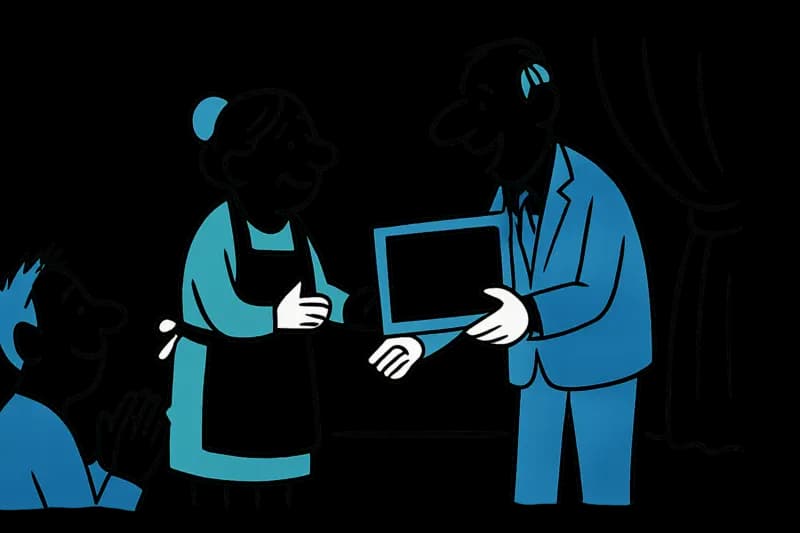
Maribel: Five Decades of Service – Housekeeper from Peguera Celebrated with a Special Honor
Over 50 years in the hotel business: María Isabel “Maribel” Molinos was honored in Palma at the Nit del Turisme by Unive...
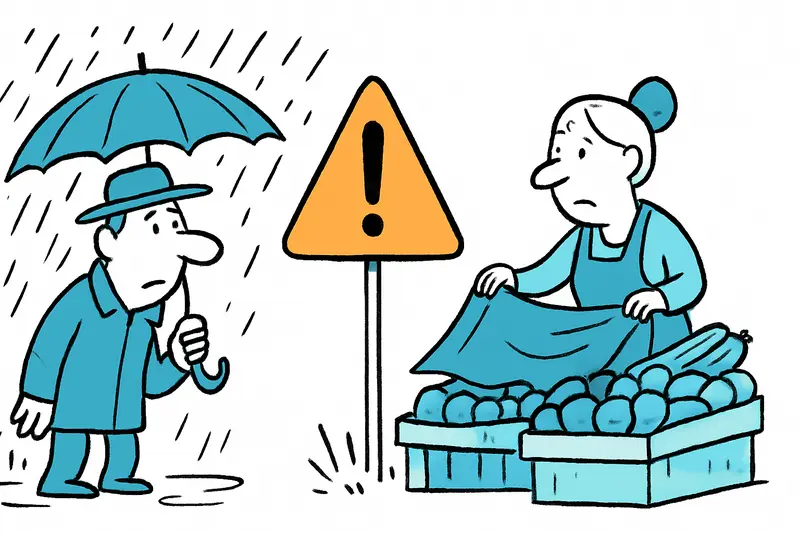
Orange Alert over Parts of Mallorca: Are We Prepared?
Dark clouds and an announced wet spell have triggered an Orange alert in parts of Mallorca. A reality check: what's miss...

Sundair & Co.: Sale speculation and what it could mean for Mallorca
Rumors about a possible sale of the airlines Sundair and Fly Air 41, which belong to Schauinsland-Reisen — and whether b...
Anne Wünsche in Mallorca: A job offer with a catch — who fits the role of personal assistant?
Influencer Anne Wünsche has left Berlin and is urgently looking for a full-time personal assistant in Mallorca. Why the ...
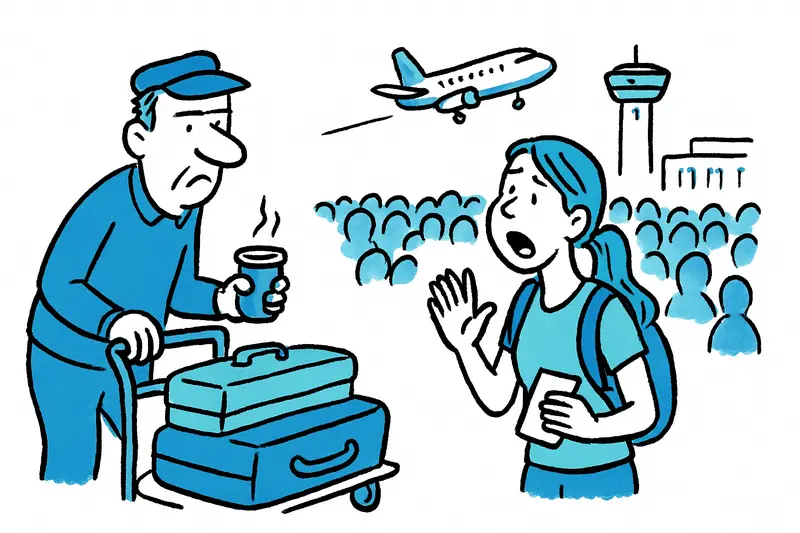
Daily from New York: Palma Between Boom and Strain
United will increase the Newark–Palma route to daily flights in 2027 using Boeing aircraft (231 seats). What does the in...
More to explore
Discover more interesting content

Can Cap de Bou

Townhouse Lleo 72
