
Diada de Mallorca 2025: A Stroll Through History, Art and Warm Ensaimadas
When the bells ring a little longer and the scent of oven warmth drifts through Palma's streets: Diada de Mallorca invites you to museums, markets and small discoveries. Our walking-route tip, practical advice and why the day is more than folklore.
Diada de Mallorca 2025: A day that feels like a walk across the island
When the bells in Palma toll a few bars longer and the wind from the Tramuntana brings a fresh note, you know: today is Diada de Mallorca. It's not just historians and school classes watching the calendar. For many Mallorcans the day is an invitation to experience the city with slow steps – passing museums, small stages and the bakeries that puff steam and the scent of sweet pastry into the streets.
What's happening – short, practical and dust-free
The island council has again put together a colourful programme: museums with free entry or reduced prices (including the Museo de Mallorca) open their doors, there are guided tours, lectures and street music, and celebrations in Alcúdia, Alaró and Esporles. In Palma's old town the sounds of guitar and accordion mingle with the chatter on the Passeig del Born and in small plazas.
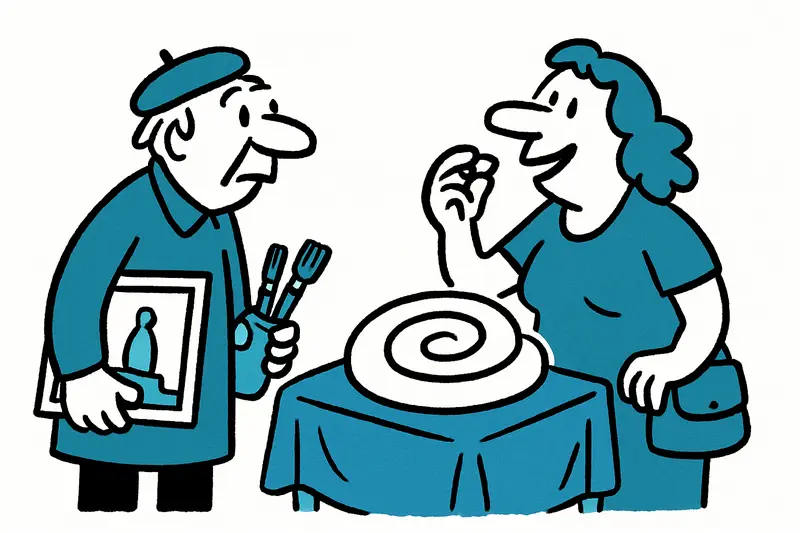
A real attraction is the cultural centre La Misericòrdia. Today and tomorrow the courtyard transforms from 5:00 pm into a craft market: ceramics, hand-knitted scarves, jewellery and of course local pastry makers with warm ensaimadas. If you're there at 5:30 pm you'll meet the kind of people who first sniff at the display and then give in – a very Mallorcan ritual.
Walking and planning tips
My suggestion for a relaxed day: start at the Museo de Mallorca, take a short detour to the cathedral (La Seu) to admire its silent massiveness, continue through the narrow streets towards Plaça Major and past the market. Stop at a stall selling freshly baked ensaimadas. The first bite is worth it – delicate, buttery and a little cinnamon-y; that's how holidays should taste.
Practical matters: Palma fills up at central points. If you prefer to stay relaxed, leave the car at the city edge and come by bus or on foot. Comfortable shoes are not a luxury – events are spread out. Bring cash; some vendors still prefer notes. For families there are workshops for children (30–45 minutes), ideal if the little one can't concentrate for long.
Why the Diada is more than folklore
The holiday commemorates King Jaume I's landing in 1229 – a historical layer you feel on Diada, but not only in museum display cases. The Diada shows how everyday life, crafts and memory are closely intertwined on the island. Street performers, potters and bakers get attention, and visitors see that culture is not a closed archive but an open book you can leaf through.
Especially in a time when many things happen quickly and digitally, this slow holiday has value: it invites you to revisit places you would otherwise pass by. A short tour, a conversation with a potter, tasting an ensaimada – these small gestures support the local economy and community.
A small, friendly tip
If you plan to come: map out a short route and leave room to linger. Don't look for the perfect photo, look for the best bite. And if a stall has no card payment: smile, pull out a few coins, and you'll have a new favourite baker – that's island politics on a holiday.
You can find the full programme on the island council's website. My tip for the way home: tuck a warm ensaimada under your arm, stroll through a now quieter street and listen to the bells a few more bars. That's how history tastes best.
Frequently asked questions
What is Diada de Mallorca and why is it celebrated?
What can visitors do in Palma on Diada de Mallorca?
Are museums open on Diada de Mallorca?
Where can I find ensaimadas on Diada de Mallorca?
Is Diada de Mallorca a good day for families with children?
What is La Misericòrdia in Palma known for on Diada de Mallorca?
How should I get around Palma on Diada de Mallorca?
Which towns in Mallorca also celebrate Diada besides Palma?
Similar News

Brawl in Palmanova: Two Taxi Drivers Injured – Who Protects the Night Shift?
In Palmanova two taxi drivers were attacked by apparently drunk tourists; one driver was seriously injured. A debate beg...
Etihad brings Mallorca season forward: More flights, more discerning guests
The Gulf airline Etihad plans to bring its Palma connection forward next year and increase frequency. For hotels, restau...
Release after bloody attack in Palma: Why the court's decision raises questions
An 18-year-old who allegedly inflicted a serious neck injury on a man at Plaza Gomila using a wristwatch wrapped around ...
Kidnappings in Inca: Three young men forced into car trunks and abused in the forest – a reality check
In Inca, three 18-year-old men were forced into car trunks by masked assailants at the Plaça des Bestiar, taken to a for...
Spreading Massification: The Brake That Still Has Much Work to Do
Marga Prohens announces limits on volume tourism. The measures sound harsh — but are they enough to save everyday life, ...
More to explore
Discover more interesting content

Can Cap de Bou

Townhouse Lleo 72
