
When Dinner Becomes a Luxury: How Mallorca's Pricing Estranges Its Restaurant Scene
When prices grow faster than the plates, restaurants in Mallorca lose their neighbors and regulars. A look at causes, consequences and practical solutions.
When the Plate Gets Smaller and the Bill Gets Bigger
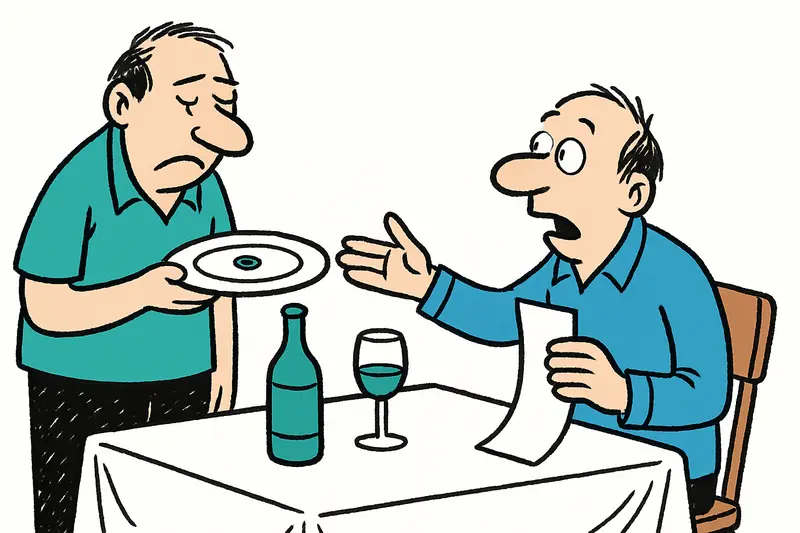
Last Friday evening on the Passeig: a mild sea breeze, streetlights, a hum of voices — and a menu that felt more like a prospectus than an offer. Tapas, once small promises to try, were priced like main courses. Bread that arrived unsolicited later appeared with a one-euro surcharge on the bill. And the water? Listed on the menu by the bottle, even though the waiter had said nothing when ordering and the tap water ran clear from the wall. The feeling: less hospitality, more calculation, a phenomenon noted in Empty Tables, Growing Worries: Why Mallorca's Gastronomy Is on Low Flame.
The Key Question
Short and harsh: Can Mallorca's restaurant scene set prices that cover costs without destroying the relationship with locals and regulars? The answer is not only a matter of arithmetic, but of the balance of trust.
Between Real Costs and Ruthlessness
Of course there are genuine cost shocks: energy, transport, wages — everything has become more expensive, as explored in Why Food Is Noticeably More Expensive in Mallorca — and What We Can Do About It. But some businesses' reaction feels reflexive: everything gets pricier, everything gets smaller, and extra charges are introduced inconspicuously. This is not a pure luxury problem. It is a problem of social embedding. When regulars from Palma give up their seats, often only visitors remain — people who either do not notice the price changes or are willing to pay. Result: a creeping emptying out of neighborhood life, a trend covered in Empty Tables, Tight Wallets: Mallorca's Gastronomy at a Crossroads.
The Grey Areas Nobody Likes
Many irritations lie here: unsolicited amuse-bouches, olives served automatically, a "luggage hook fee" — I heard of such an extra in El Terreno. There is consumer protection, keyword Law 7/2014, but in everyday life enforcement is often lacking, especially in high season. Holiday guests do not check, neighbors withdraw — and in between grows a grey area in which trust is slowly divided into fees.
Practical Consequences: Tables stay empty, recommendations — which were the lifeblood of small venues ten years ago — become quieter, and the loss of culinary diversity leaves a monotonous, high-priced middle class. Some businesses seem to have forgotten that trust is not balanced in an account, but experienced.
Which Aspects Are Rarely Discussed?
Two points often remain underexposed. First: the importance of stable regular customers for economic resilience. A restaurant that lives only off seasons and tourists is vulnerable — and reacts with short-term price hikes instead of long-term customer retention. Second: the internal cost structure. Not every price increase is avoidable, yet many margins could be slimmer without cutting service — through more efficient supply chains, seasonal menus or cooperation with local producers.
Concrete, Immediately Implementable Solutions
Transparency costs nothing and brings trust. Three simple measures that every bar and restaurant could practicably implement tomorrow:
1. Clear prices on the menu: List extras like bread, olives, water (tap or bottled) clearly. No surprises at the end.
2. Offer choices: Provide tap water for free and charge for bottled water as an option — with a visible note. For many locals this is a matter of principle.
3. Local subscriptions and "evening for residents": Weekly or monthly offers for neighbors create steady revenues and keep the connection to the community.
At the municipal level signs or a small certificate could be considered: "Carta Clara – Transparent Prices". A simple inspection could check whether extras are communicated in advance. Such measures need no large apparatus, only the will to be clear.
Why It's Worth Staying Fair
The small taverns in side streets, the markets with real portions and the chefs who create greatness with few ingredients are not a romantic relic — they are economically more resilient. Regulars bring steady income, word of mouth keeps tables full. Those who lose their neighbors now risk more in the long run than short-term extra earnings.
I will keep going out — not out of spite, more out of curiosity. And one piece of advice: open your eyes when ordering, ask instead of being silently annoyed, and highlight the places that stay fair. Gastronomy in Mallorca can recover. But not if it keeps believing that prices alone can replace prestige.
A visitor from Palma who still remembers how Pa amb oli should actually taste — and wants to be reminded.
Frequently asked questions
Why are restaurant prices in Mallorca getting so much higher?
How can I avoid surprise charges in Mallorca restaurants?
Is tap water usually free in Mallorca restaurants?
Are Mallorca restaurants still worth it if prices are high?
What should I know before eating out on the Passeig in Palma?
What is happening to Mallorca’s local restaurant scene?
Why do some Mallorca restaurants add small fees for extras?
What makes a restaurant in Mallorca feel fair to locals?
Similar News
Daily from New York: How Palma's Air Traffic Is Growing — and What Must Change
United will increase the Newark–Palma service to daily flights in 2027 (Boeing, 231 seats). Strong tourist numbers clash...

When Love Ends in Shards: Destruction in Son Vida and the Questions That Remain
In Son Vida a relationship dispute escalated: a woman destroyed furniture in a luxury villa, later pressed a panic butto...
Who Bears the Burden? Mallorca Between Tenant Protection and Landlord Fears
Madrid's new housing decrees strengthen tenant rights — but on Mallorca concern is growing: will the law drive small lan...
On the Edge: What Mallorca's Airport Loses If a Major Low-Cost Carrier Falters
The company that operates numerous connections from Palma to France and domestically is negotiating with creditors to re...
Ballermann star Frenzy wins 'Villa of Temptation' and donates prize money to Mallorca animal rescue
Ballermann singer Frenzy won the German reality show and donated the remaining prize money — around €14,080 — to an anim...
More to explore
Discover more interesting content

Can Cap de Bou

Townhouse Lleo 72
