
Empty Tables, Growing Worries: Why Mallorca's Gastronomy Is on Low Flame
On the Paseo Marítimo in the evenings there are suddenly more chairs than people. Operators report stingier guests, rising costs and new constraints. Is this just a forced pause — or a structural change for the island's cuisine?
Terraces are ready, but glasses rarely clink anymore
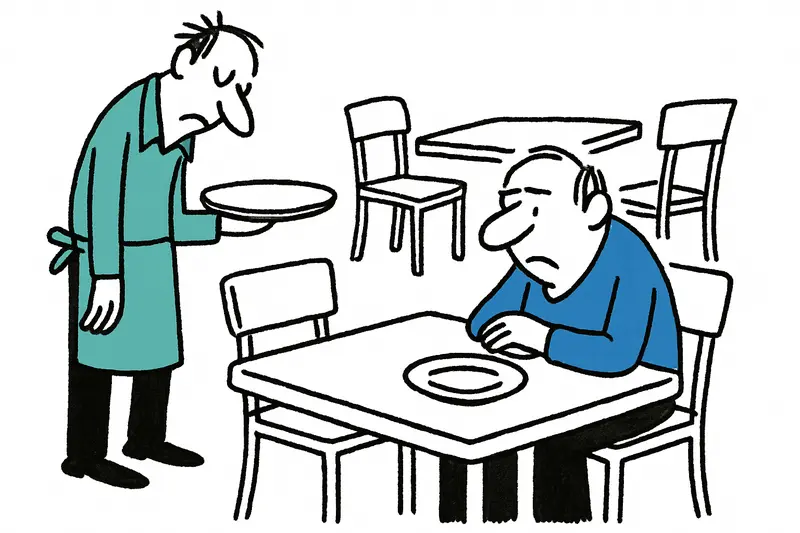
Last week in the evening on the Paseo Marítimo: the lanterns cast yellow light on wet cobbles, the sound of the sea mixes with the distant horn of an excursion boat. Still, fewer people are sitting on the terraces than before. Waiters straighten chairs, beer mats lie waiting on empty tables. The picture that many restaurateurs now describe repeats itself from Palma to Alcúdia, as shown by reports that restaurants in Mallorca remain largely empty: plates clatter less often, spontaneous evenings are rare.
Central question: Are guests only cutting back temporarily — or has their behaviour permanently changed?
This question is at the heart of the discussion. The answer determines whether Mallorca's gastronomy only has to survive a tough season or whether businesses must fundamentally reinvent their strategies. Many insights that have so far been neglected in public debate concern not only guests but also the local structural framework.
What restaurateurs report
'People calculate beforehand', says Carmen, the owner of a small fish restaurant in the old town. In the past she booked on a whim; today prices are compared, as detailed in When Dinner Becomes a Luxury: How Mallorca's Pricing Estranges Its Restaurant Scene, supermarket trolleys are filled and evenings are cooked in the holiday apartment. Others report that families book shorter stays, opt for day trips instead of week-long holidays and drop out immediately when there are entry fees or higher drink prices.
The result: less turnover, even though many businesses have recently invested in better kitchen technology, ventilation, terrace furniture and climate-friendly measures. Some restaurants now close during the week and open only on weekends — a way to cope with fixed costs that further thins out the scene.
Behind the scenes: higher costs and hidden obstacles
Fewer guests are only one side. On the other are significantly increased operating costs: delivery prices, energy, waste disposal, higher minimum wages. In addition there are new regulations for outdoor terraces, stricter requirements following resident complaints and bureaucratic hurdles that bind additional staff time.
A nightclub owner sums it up soberly: 'For small extras that used to be taken for granted, guests now think twice. For us, that means: less willingness to fund innovations — and that is dangerous in the long run.'
Aspects that are rarely discussed
First: the role of short-term rental apartments. Many holidaymakers consciously save money because they can cook in apartments, a trend that local restaurants have complained about. Second: the availability of cheap local shops along the coast changes decision-making — a day at the beach, a trip to a discount store for drinks and snacks, and the evening meal is skipped. Third: the psychological effect of visible frugality in groups — when one member checks prices at the reception, others follow.
Concrete opportunities and solution approaches
The situation is serious but not hopeless. Some practical steps that businesses and policymakers could consider:
Cooperation instead of competition: Alliances between restaurants and holiday apartment owners for welcome vouchers, joint markets or culinary tours can reattach guests to local cuisine.
Differentiated offers: Early-dinner menus, fixed-price pre-reservations, family packages or smaller portions at lower prices attract price-conscious guests without diluting the brand.
Investments with exemplary effect: Energy checks, joint purchases (e.g. more efficient kitchen equipment) and grants for sustainable technology reduce costs in the long term.
Event strategies: Theme nights, showcasing local products, cooperation with cooking schools or pop-up events during off-peak times can attract new visitor groups.
Municipal policy with an eye on location quality: Simplified permits for outdoor terraces, coordinated planning and debureaucratization especially help smaller businesses.
A look ahead
The coming months will show whether holidaymakers loosen their consumption habits again or whether Mallorca experiences a phase of lasting adaptation. If the island wants to find its summer sound again — the chatter on the Paseo, the clinking of glasses, the laughter under the lanterns — it will take more than individual price adjustments. It needs connected solutions, political support and sometimes the courage to rethink traditional dishes.
Between stacked chairs and half-full glasses, there remains the difficult hope that Mallorca's gastronomy will not only survive but emerge from the crisis smarter and more future-proof. That would mean better work for employees, stronger local supply chains and evenings when the terraces hum again — not with bargain prices, but with more flavour and respect for what this island has to offer culinarily.
Frequently asked questions
Why are restaurants in Mallorca quieter than usual this season?
Is eating out in Mallorca becoming more expensive for holidaymakers?
What should I pack or plan for if I want to eat out less in Mallorca?
Do short-term rental apartments affect Mallorca’s restaurant scene?
What are restaurants in Palma doing to attract more guests?
Are Mallorca restaurants open every day during the low season?
What are the biggest cost problems for small restaurants in Mallorca?
Can Mallorca’s gastronomy recover if fewer people are eating out now?
Similar News

Release after bloody attack in Palma: Why the court's decision raises questions
An 18-year-old who allegedly inflicted a serious neck injury on a man at Plaza Gomila using a wristwatch wrapped around ...
Kidnappings in Inca: Three young men forced into car trunks and abused in the forest – a reality check
In Inca, three 18-year-old men were forced into car trunks by masked assailants at the Plaça des Bestiar, taken to a for...
Spreading Massification: The Brake That Still Has Much Work to Do
Marga Prohens announces limits on volume tourism. The measures sound harsh — but are they enough to save everyday life, ...

Through the Keyhole onto the Party Yacht: How Daniela Katzenberger Is Planning Her 40th on Mallorca
Daniela Katzenberger turns 40 and wants to celebrate it on the island — likely with a boat, cake and her mother. A relax...
By Boat Instead of the Road: Palma's Water Bus — a Reality Check
The 'Bus Nàutic' launches in two stages — but questions remain over interim operations, fares and environmental requirem...
More to explore
Discover more interesting content

Can Cap de Bou

Townhouse Lleo 72
