
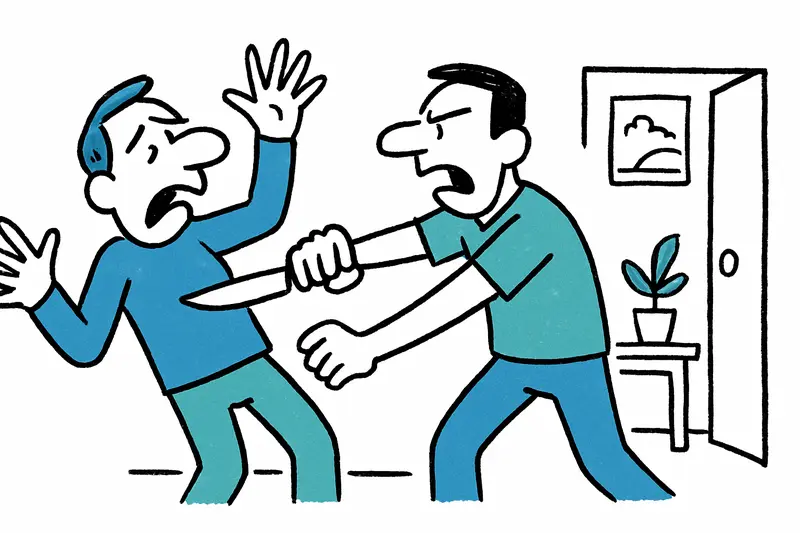
When Words Become Knives: Dispute in Palma Ends with Two Injured
In an apartment near Carrer de Manacor two men got into such a violent argument that knives were used. Both were injured; a court-ordered restraining order was already in place against one of them. A reality check: what is missing in dealing with domestic violence, especially in same-sex relationships?
When Words Become Knives: Dispute in Palma Ends with Two Injured
Key Question
How can a couple's quarrel in an apartment near Carrer de Manacor escalate so far that both partners end up with cuts and one person is seriously injured – even though a court had already issued a restraining order against one of them, echoing concerns raised in After Knife Attack Near Costitx: How Secure Are Protective Orders in Mallorca??
Critical Analysis
One night this week neighbors alerted the police to loud screams coming from an apartment building in Palma. On site, officers found a flat with broken furniture, two injured men and unanswered questions. According to the facts known so far, both partners inflicted partly severe injuries on each other; one of the individuals had previously been subject to a court order prohibiting contact, a situation reminiscent of the Costitx case (Shock in Costitx: Knife Attack on Ex-Partner — What Fails in the Protection System). One of the two is accused of attempted manslaughter, the other is suspected of assault.
The facts are disturbing, but they are coldly enumerated: open door, traces of blood, bruises, cuts. What these bare data do not show is the web of control, shame and everyday dynamics that can develop in households. Domestic violence does not fit a simple template; it happens in families, in heterosexual and homosexual relationships, in rental apartments on Carrer de Manacor as well as in villas on the coast. That does not make the concrete danger any smaller, but it does make it harder to detect.
What Is Missing in Public Discourse
First: the discussion about violence in same-sex relationships is often omitted or downplayed. Victim/offender categories do not automatically fit traditional roles. Second: court orders such as restraining orders only work as far as their enforcement does. How quickly does the police respond to violations, and what immediate protective measures are deployed? Third: there is a lack of visible, low-threshold services for affected persons who do not see themselves as classic "domestic violence" cases or who avoid contact for fear of stigmatization.
Everyday Scene from Palma
Imagine the scene: it is late, the streetlamp on Carrer de Manacor casts yellow light on wet cobblestones, the clinking of glass comes from an apartment. Behind the same front door live families, retirees and students; some neighbors only hear the muffled bass of a TV, others a thud, then the sirens. The next morning the street is calm again, the baker puts croissants outside the door, but something remains broken in the affected flat – furniture, trust, maybe more.
Concrete Solutions
1) Better implementation and rapid monitoring of restraining orders: digital reporting channels for neighbors and affected persons, special deployment protocols for repeated alarms.
2) Training for police and judiciary on domestic violence in same-sex partnerships: sensitive risk assessment must not fail due to preconceptions.
3) Strengthen local contact points: low-threshold counseling services, anonymous hotlines and specialized emergency shelters that also consider LGBTQ+ victims.
4) Prevention in the neighborhood: information leaflets in apartment buildings, neighborhood apps with a crisis button, cooperation with property managers.
5) Improved data collection: without reliable figures on the frequency, types and consequences of such incidents, policy remains blind.
What the City Can Do
The municipality of Palma can start tomorrow: create coordinated procedures between police, social services and healthcare, place visible information about support services in public places and encourage neighbors not to ignore disturbances. Judges also need fast communication channels when court orders are violated, as discussed in Pre-trial Detention after Knife Attack in Costitx — What Was Missing to Prevent It?.
Concise Conclusion
This incident is not an isolated spectacle but a symptom: domestic violence cannot be locked away, neither by court rulings nor by silence. Those in Palma who hear sirens late at night should do more than gawk; they should consider where support is lacking. Protection needs more than prosecution – it needs prevention, enforcement and visible help on the ground.
Frequently asked questions
How can a domestic dispute in Mallorca turn into a serious police case?
What should neighbors in Palma do if they hear screaming or fighting from an apartment?
Do restraining orders always protect people from violence in Mallorca?
Can domestic violence happen in same-sex relationships in Mallorca?
What signs of domestic violence might police find in a Palma apartment?
Where can someone in Mallorca get help after a domestic violence incident?
Why is Carrer de Manacor mentioned in a Palma police incident?
What can Palma do to respond better to domestic violence cases?
Similar News
Injured captain, big plans: Germania Mallorca before the away match in Consell
The newly founded FC Germania Mallorca travels to Consell on Saturday. Captain Bastian Müller is out injured, but coach ...
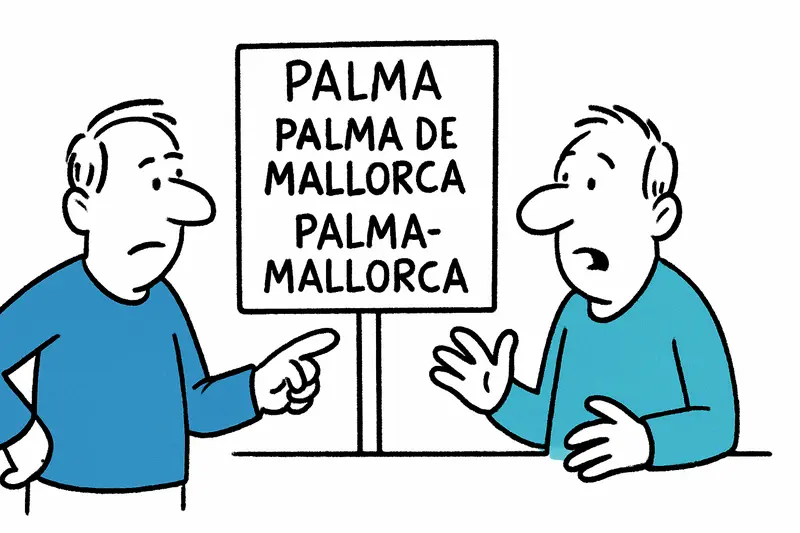
Palma, Palma de Mallorca, Palma‑Mallorca: What is it really about?
The debate over the city's name is more than grammar: it concerns identity, law and branding policy. A sober reality che...
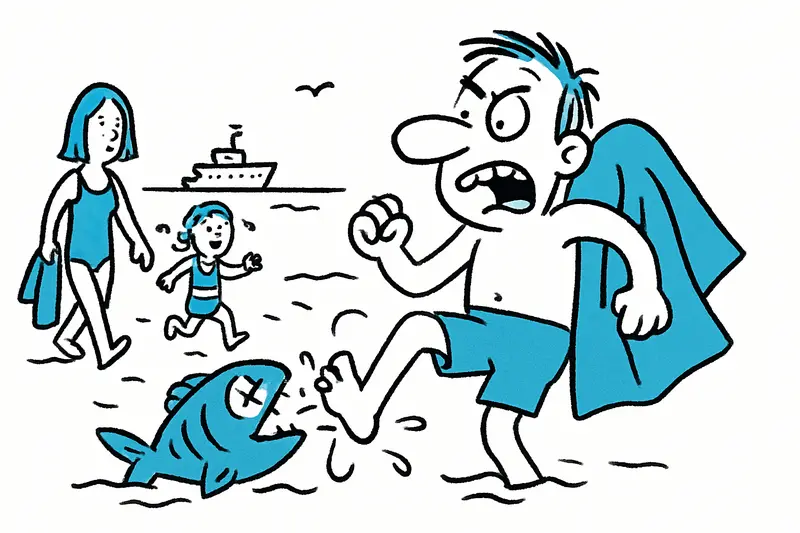
Warning to Bathers: Nipping Fish in Cala Major and Other Coves — a Reality Check
In Cala Major and several beaches around Mallorca, bathers report painful “nips”. Who are the animals, why are they gett...

Rental Car Theft in El Arenal: What This Incident Reveals About Our Gaps
A teenager steals a running rental car in El Arenal, flees on foot, climbs over walls and is caught by the Guardia Civil...
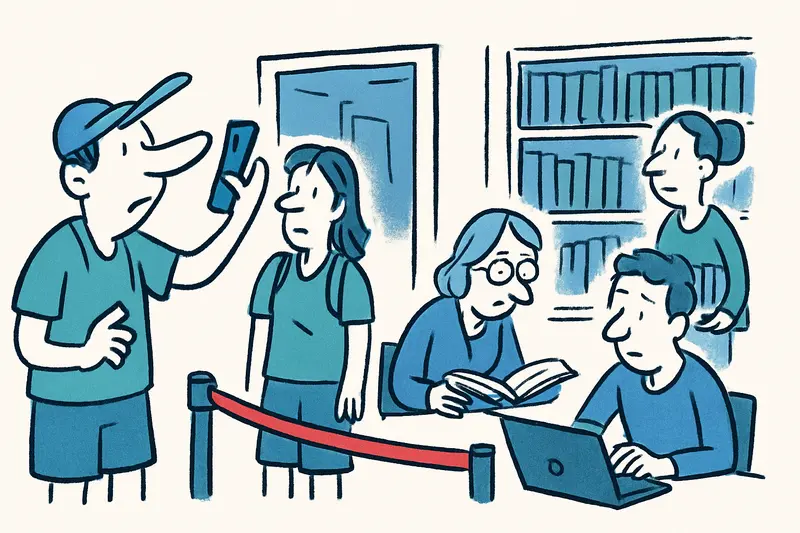
Red Rope in Palma's Library: What Helps Against Selfie Tourism — and What's Missing
Palma's city library cordoned off an area with a red rope to keep selfie tourism away from reading and working activitie...
More to explore
Discover more interesting content

Can Cap de Bou

Townhouse Lleo 72
