
Door-to-door instead of containers: Sóller trials doorstep waste collection — a reality check
Door-to-door instead of containers: Sóller trials doorstep waste collection — a reality check
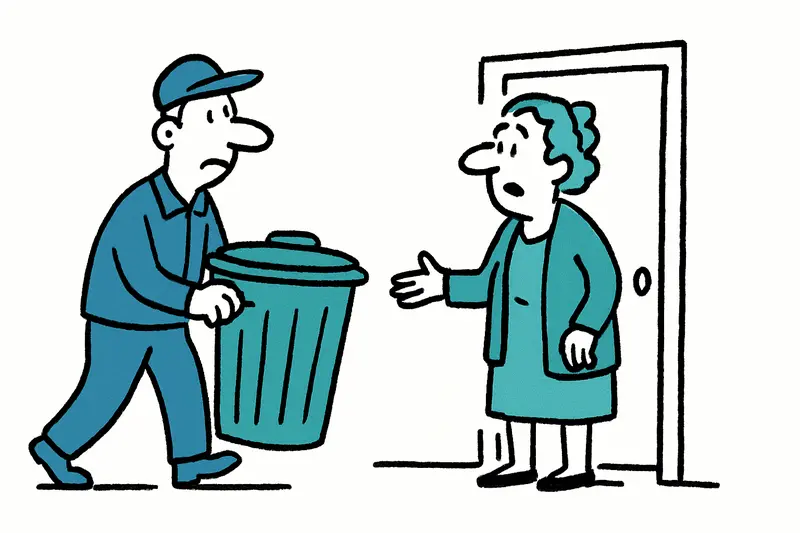
From January 19 a test begins in Sóller: for 16 streets in the historic centre, including Carrer Lluna, glass, paper and packaging will in future be collected on certain days at the front door. We examine opportunities, risks and what is missing in everyday life.
Door-to-door instead of containers: Sóller trials doorstep waste collection — a reality check
From January 19, Sóller will begin a tested change in waste logistics: In 16 streets of the historic town centre, including the narrow Carrer Lluna, glass, paper and packaging will be collected in a trial not in the usual containers but as door-to-door collection on designated days. Later, organic waste collection is planned to follow. Something similar already runs in Valldemossa — there the model serves as an example.
Key question
Who really benefits from doorstep collection — the residents, the cleanliness record of the old town, or the municipal organisation, which thereby shifts effort and costs?
Critical analysis
On paper it sounds good for the townscape: fewer bulky containers on streets and squares, less overflowing rubbish by the market at Plaça Constitució. But practice depends on details. Sóller's narrow alleys, filled in the morning with the rattle of the tram and the chatter of vendors at the weekly market, present logistical challenges: Who carries the bags from inner courtyards to the street? How does the waste truck driver react when several households at one spot present bulky sacks at the same time? Experiences from Valldemossa show it can work — but only with clear procedures.
Further open points: hygiene at collection points, control of correct sorting (see a case in Marratxí where a resident filmed hygiene bags being loaded next to recyclable sacks into the same garbage truck, reported in Marratxí: When separated bags end up in the same truck — video causes uproar in Carrer Major) and the burden on older people who can no longer walk far. Many long-established households live in the old town with narrow staircases — taking out organic waste to the street daily is not the same as having a container in front of the house. Without practical exceptions, the new obligation risks either not being followed or being deposited untidily.
What is often missing in public debate
The idea is usually discussed as an enhancement of the townscape, less often in terms of everyday practicality. Three points are decisive and rarely spoken about loudly enough: accessibility for residents with mobility restrictions (see WHO on disability and health), the inclusion of small businesses (bakeries, cafés, restaurants in the centre) and staffing for collection — especially during peak times when market, school and tourist traffic coincide.
A scene from Sóller
Imagine the Carrer Lluna on a winter morning: lime-white houses, cats dozing on window sills, a delivery van honking in the curve. An older woman balances two paper bags down the stairs, the young barista next door puts boxes in front of his door, tourists pull their suitcases over cobblestones. It is precisely here that it will be decided whether doorstep collection runs smoothly or the new system quickly causes trouble.
Concrete solutions
The pilot phase should be more than a date on the calendar. Suggestions the city can consider:
• Clear time windows and a printed monthly overview distributed to all households, supplemented by SMS or WhatsApp reminders for registered numbers.
• Mobility exemptions with licence-plate permits or stickers for people who cannot go to the street; a pick-up service on request for people in need of care.
• Specific collection times for businesses: short windows outside the morning rush so bakeries and small shops are not in competition with household collection.
• Training and short demonstrations on site in the first weeks, as well as a visible hotline or contact person for immediate problems.
• Temporary use of previous container locations as collection islands for visitors to the old town so tourists do not dispose of waste improperly.
Conclusion
Doorstep collection in Sóller can tidy the townscape and make the city seem cleaner — but only if the administration takes everyday household realities seriously. Without clear rules, exceptions for the elderly and businesses, and ongoing feedback loops, a system that looks sensible on paper risks producing frustration and patchwork in practice. If the pilot phase is genuinely used to adjust procedures, Sóller could become an example for other places on Mallorca. If not, soon there will again be only one thing: full containers on the corner and outraged neighbours.
Frequently asked questions
What is changing with waste collection in Sóller?
Why is Sóller replacing some containers with doorstep waste collection?
How will doorstep waste collection work in Sóller?
Is doorstep waste collection in Sóller practical for older residents?
What does the change mean for businesses in Sóller’s centre?
What can residents in Sóller expect during the waste collection trial?
Has doorstep waste collection already been tried elsewhere in Mallorca?
Will the new waste system make Sóller cleaner?
Similar News

Palma Gets a Welcoming Park: Tirador Goes Greener — and a Café Is Coming
A new green project in Es Fortí/Camí de Jesús will transform the old Voltadora into a city park with an experience fores...
Why the End of "Los Últimos Mohicanos" Is More Than the Closing of a Bar
With squealing tires and one last glass, an icon on the Palma–Manacor expressway closes. Why the demise of this German b...

Protest camp on Plaza España: Who asks for solutions to the right to housing?
Around 30 activists set up a tent camp on Palma's Plaza España to push for stronger tenant rights. Our analysis asks: Ar...

In the Name of a Gang: Alleged Extortion in El Molinar and What It Reveals About the Protection of Sex Workers
A man is accused of posing as a member of the Hells Angels and extorting two women at accommodation in El Molinar. The s...

When Chile Meets the Mediterranean: A New Flavor at Can Bordoy
At Can Bordoy in Palma's old town, Chilean chef Jhonatan Maldonado combines Patagonian seafood with Mediterranean island...
More to explore
Discover more interesting content

Can Cap de Bou

Townhouse Lleo 72
