
Drama at Cala Agulla: 45 Minutes of Resuscitation — What the Rescue Tells Us
Drama at Cala Agulla: 45 Minutes of Resuscitation — What the Rescue Tells Us
On Wednesday afternoon lifeguards pulled an unconscious tourist out of Cala Agulla. Resuscitation lasted 45 minutes before vital functions were restored and the woman was taken to Manacor. A reality check: What is missing for beach safety in Mallorca?
Drama at Cala Agulla: 45 Minutes of Resuscitation — What the Rescue Tells Us
Guiding question: Why did the resuscitation take so long — and what would we need to change so that such an operation does not cost lives?
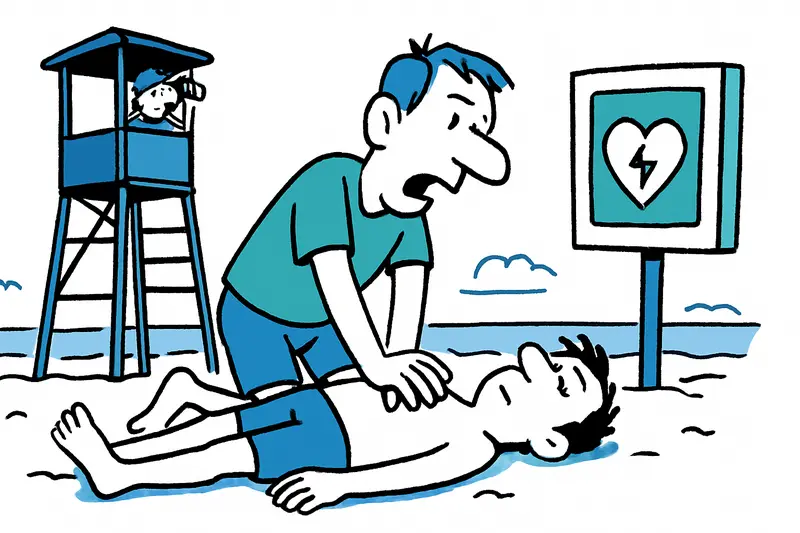
Late on Wednesday afternoon, at around 4 p.m., bathers at Cala Agulla suddenly heard cries for help. From the watchtower lifeguards spotted a woman who could no longer reach the surface. She was brought ashore; heart and breathing had stopped. Medical personnel continued resuscitation measures; after about 45 minutes paramedics could detect restored vital functions. Afterwards the woman was taken to the hospital in Manacor. Local police and the Guardia Civil were also on site and provided support.
Between the scent of pine trees, the screeching of seagulls and the steady rush of the waves, a hard truth emerged that afternoon: on our beaches there are repeatedly cases in which minutes decide between life and lasting damage. Only a few weeks ago another bather in Palmanova underwent resuscitation after cardiac arrest — there the life-saving measures lasted around 90 minutes until circulation returned.
What happened, we know: rescuers reacted correctly, recovered the woman and treated her until a pulse could be detected again. The question that remains and is often underdiscussed in the public debate is not just the single event but the system around it: How quickly does help arrive, what tools are available on the beach, and how well coordinated are the lookout tower, beach staff and ambulance?
Critical analysis: First, 45 minutes of cardiopulmonary resuscitation (CPR) is unusually long. Longer resuscitations can be medically successful but require perfect procedures and equipment: immediate, uninterrupted chest compressions, early use of an automated external defibrillator (AED) and a seamless transition to prehospital care. This raises the question whether there are enough AEDs within direct reach at Cala Agulla and similar beaches, and whether they are hung in places that are visible and accessible to everyone.
In the public discourse I miss two things: first, an honest number of communicated standards — how many watchtowers are actually staffed in the high season, how many beach AEDs are there per kilometer of coastline? Second, there is often no discussion about multilingual signs and information for guests. Cala Agulla attracts international visitors; emergency instructions in several languages, clearly visible pictograms and clearly marked locations for rescue equipment could save time.
A typical everyday scene in Capdepera illustrates the problem: in the morning seniors sit on the promenade, children play with colorful buckets in front of them. In the afternoon the sunbeds fill up, the lifeguard whistles from the tower, guests shout questions in different languages. When an emergency happens, communication and visible orientation points are worth their weight in gold. I have often seen guests confused when talking to rescue staff because they don't know exactly where a defibrillator is mounted or which number to call — and that also costs time.
Concrete solutions: first, AEDs must be mounted within easy reach at all popular beaches and marked so that tourists without Spanish skills can find them immediately. Second: standardized information points on the beach with pictograms, the emergency number (112) and clear instructions for CPR — ideally in English, German, Russian and Spanish. Third: regular training for private beach operators, hotel staff and boat operators near bathing areas; a 30-minute CPR refresher every two years would help a lot. Fourth: better networking between watchtowers, the Guardia Civil and ambulances through clear radio protocols — so an ambulance can be dispatched directly and without delay. Fifth: authorities should publish how many lifeguards are deployed per beach section so transparency exists and local resources can be increased purposefully.
Another pragmatic point concerns aftercare: when a patient arrives at a hospital after a long resuscitation, clinics need information about the duration of the intervention and measures taken on site. A short handover card, digital or on paper, can speed up further medical treatment.
Conclusion: the rescue at Cala Agulla was a success — rescuers brought a woman back and got her to the clinic. Nevertheless, this single case must not prevent us from seeing the bigger picture. Minutes in the water, seconds in decisions, visible AEDs and multilingual signs: these are not luxury wishes but simple measures with high impact. Mallorca is an island with many visitors; we can improve beach safety without destroying the lightness of the days. What it takes is a bit of organization, clear signs and the will to learn from every operation.
Frequently asked questions
When is the best time of year to visit Mallorca for outdoor adventures?
What should I pack for a trip to Mallorca to stay comfortable in warm weather?
Is swimming in Mallorca’s sea safe for beginners?
How easy is it to get around Mallorca without renting a car?
What’s Mallorca’s weather like across the year and how should that affect planning?
Are there family-friendly beaches and activities in Mallorca?
What are the top outdoor activities to try in Mallorca?
Should I stay near beaches or towns when choosing Mallorca accommodations?
Similar News
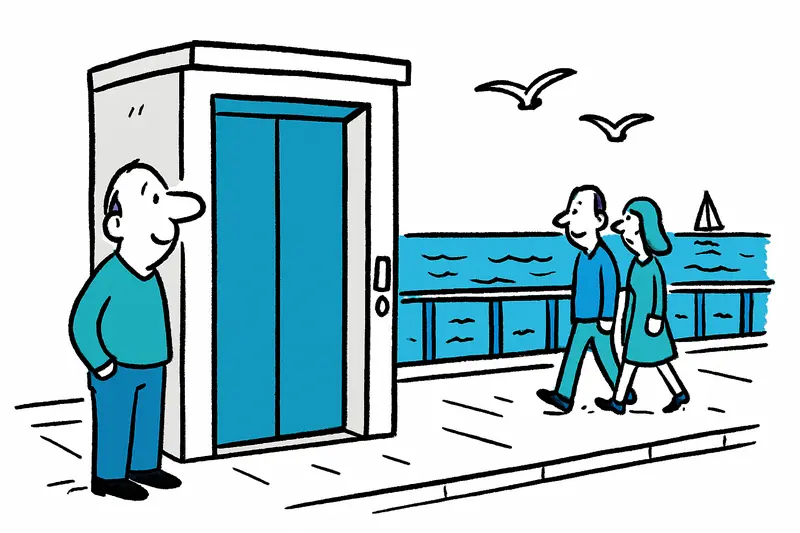
New lift on the Passeig Marítim brings El Terreno closer to the seafront promenade
In Palma the city is building a lift between Calle Patrimoni and the Passeig Marítim at Parc de la Quarentena. The proje...
Gloomy Days in Majorca: Why the Next Low Pressure System Should Make Us Nervous
Thick clouds over Palma, storms at sea and red warnings for Valencia: AEMET forecasts showers at least until Monday. Wha...

Maribel: Five Decades of Service – Housekeeper from Peguera Celebrated with a Special Honor
Over 50 years in the hotel business: María Isabel “Maribel” Molinos was honored in Palma at the Nit del Turisme by Unive...
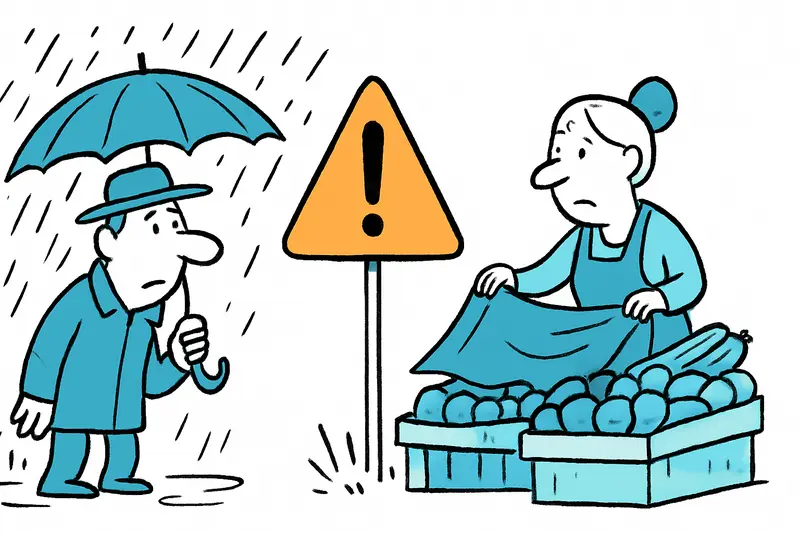
Orange Alert over Parts of Mallorca: Are We Prepared?
Dark clouds and an announced wet spell have triggered an Orange alert in parts of Mallorca. A reality check: what's miss...

Sundair & Co.: Sale speculation and what it could mean for Mallorca
Rumors about a possible sale of the airlines Sundair and Fly Air 41, which belong to Schauinsland-Reisen — and whether b...
More to explore
Discover more interesting content

Can Cap de Bou

Townhouse Lleo 72
