
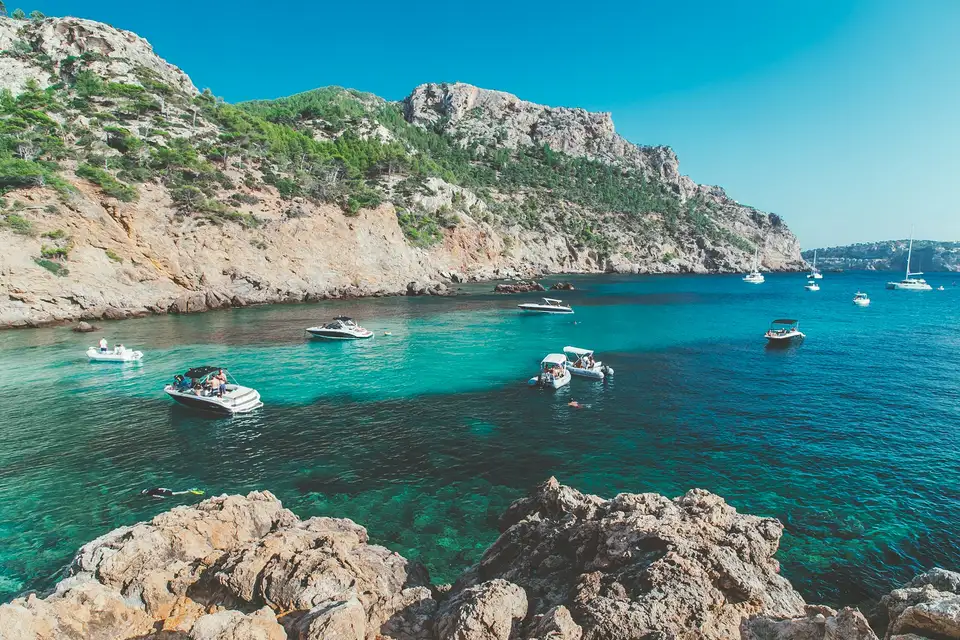
Gloomy Days in Majorca: Why the Next Low Pressure System Should Make Us Nervous
Thick clouds over Palma, storms at sea and red warnings for Valencia: AEMET forecasts showers at least until Monday. What does this mean for everyday life and infrastructure in Majorca?
Gloomy Days in Majorca: Why the Next Low Pressure System Should Make Us Nervous
Key question: Are we prepared for prolonged wet days and stronger storms?
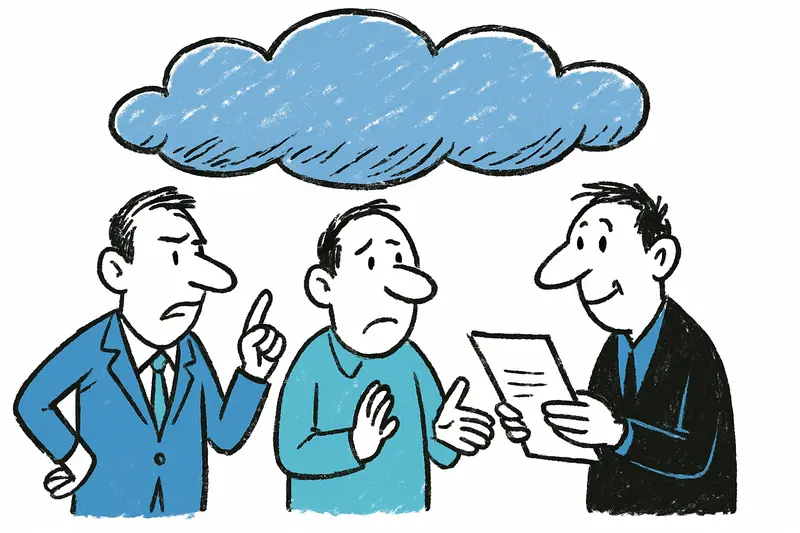
The sky over Palma has shed its previous summer-casual look in recent hours. Instead: a leaden haze, deep clouds over the Passeig Marítim and isolated fishermen checking their nets at the west mole while cafés fold up their parasols. AEMET warns of showers and thunderstorms until at least Monday; further west at sea and on the mainland there have already been lightning and thunder – Valencia briefly saw a red warning level.
You feel it in small ways right away: children in raincoats, supermarket shelves stocked for wind and weather, and more wet streets than usual for October. Despite the gloomy mood, Majorca remained largely spared from very heavy rainfall until Friday noon. Temperatures fell: the 30-degree mark was no longer reached – the University of Palma reported a daily high of 29.7 °C, the West Mole 29.4 °C, Calvià 29.3 °C, Banyalbufar 28.5 °C and Cap Blanc 27.9 °C. AEMET expects a cooling to around 26 °C next week.
Critical analysis: We hear warnings and see dark clouds, but how well are warning chains and infrastructure actually prepared? Short-term forecasts are more precise than before, yet that tells us little about exactly where heavy rain will fall and which valleys, roads or suburbs will be affected. Majorca has narrow, winding streets and places with older drainage systems; localized flooding and blocked access routes would therefore not be surprising. The tourism sector is also sensitive: ferries, beach vehicle access and excursion boats react quickly to sea conditions; if the thunderstorm line moves through, cancelled trips and logistical problems at small ports are likely.
What is missing in public discussion: clear, practical guidance for residents and visitors. Alerts like “showers and thunderstorms” are important, but many people need concrete advice: Which access routes are risky in heavy rain? Where are municipal emergency points or meeting places? How will landlords inform guests if an accommodation is prone to minor flooding? Also rarely discussed: the state of drainage in mountain villages, private insurance questions for storm and water damage, and the stock of sandbags in critical municipalities.
Everyday scene from Majorca: In the early afternoon a dark wall of clouds moves along the seafront of El Molinar. An older couple from the market hurries with bags of fresh bread into a bakery; a fisherman dries out his boat and watches the sea; children splash in puddles. These small images show how a thunderstorm changes the rhythm of an island – briefly, but noticeably.
Concrete solutions: First, more precise, locally tailored warnings. Municipalities could maintain automatic SMS lists for residents in low-lying neighborhoods. Second, municipal checklists before the rainy season – inspect street drains and streams, clear outlets, refill sandbag stores at river crossings. Third, tourism businesses should post visible emergency plans and inform guests on arrival about simple behavior rules. Fourth, strengthen neighborhood networks – a neighbor with a trailer can open gates in an emergency while volunteers secure roadblocks and detours. And finally: every household can keep a small emergency kit ready (flashlight, power bank, medication, important documents in a waterproof pouch).
Many measures are unspectacular but effective: cleaning street drains costs little but can save houses from several centimeters of water in the next downpour. It would be useful for authorities to map areas with older drainage systems and make that information publicly available so homeowners and visitors can assess their risks.
Bottom line: The thunderstorm over the sea is not a distant spectacle, it is a reminder. Not every storm will end in disaster, but Majorca is vulnerable to localized disruptions – from flooded side streets to cancelled ferry connections. A mix of better local information from authorities, simple household preparedness and organized municipal action would make the island substantially more resilient. Until then: keep an umbrella handy, follow AEMET bulletins and, at the next heavy shower, seek a safe indoor space rather than standing on the mole.
Frequently asked questions
What is the best time of year to visit Mallorca for good weather and beach days?
Do I need to rent a car to explore Mallorca, or is public transport enough?
What should I pack for a Mallorca trip?
Which beaches in Mallorca are best for families?
What outdoor activities are popular on Mallorca?
Is Mallorca safe for travelers, and what local etiquette should visitors know?
How can I experience Mallorcan cuisine and markets?
What are good day trips from Mallorca for a fuller itinerary?
Similar News
New lift on the Passeig Marítim brings El Terreno closer to the seafront promenade
In Palma the city is building a lift between Calle Patrimoni and the Passeig Marítim at Parc de la Quarentena. The proje...
Drama at Cala Agulla: 45 Minutes of Resuscitation — What the Rescue Tells Us
On Wednesday afternoon lifeguards pulled an unconscious tourist out of Cala Agulla. Resuscitation lasted 45 minutes befo...

Maribel: Five Decades of Service – Housekeeper from Peguera Celebrated with a Special Honor
Over 50 years in the hotel business: María Isabel “Maribel” Molinos was honored in Palma at the Nit del Turisme by Unive...
Orange Alert over Parts of Mallorca: Are We Prepared?
Dark clouds and an announced wet spell have triggered an Orange alert in parts of Mallorca. A reality check: what's miss...
Sundair & Co.: Sale speculation and what it could mean for Mallorca
Rumors about a possible sale of the airlines Sundair and Fly Air 41, which belong to Schauinsland-Reisen — and whether b...
More to explore
Discover more interesting content

Can Cap de Bou

Townhouse Lleo 72
