
Fall on the Llucmajor Coast: When a Hiking Trail Becomes a Rescue Zone
A German hiker falls on the rocky coast of Llucmajor and is unable to walk. The rescue highlights why knowing your location, having emergency details at hand, and taking a realistic view of coastal trails are more than mere precautions.
Fall on the Llucmajor Coast: When a Hiking Trail Becomes a Rescue Zone
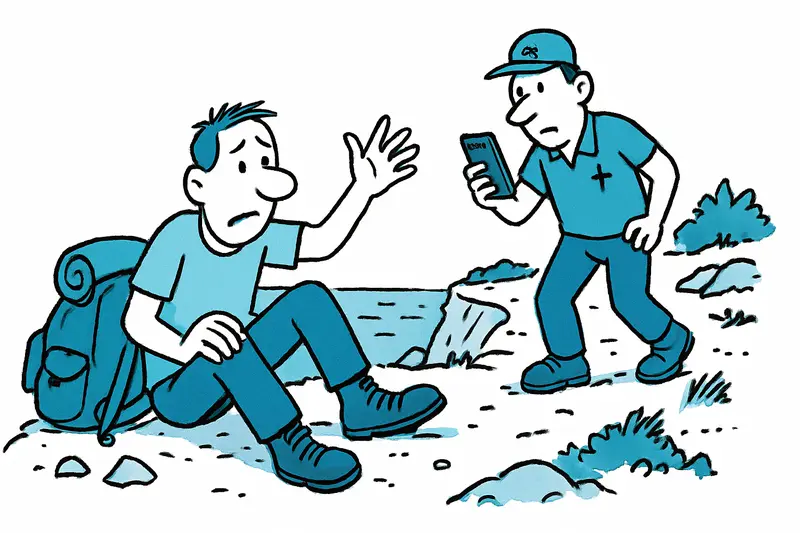
A Sunday stroll by the sea often sounds like a simple outing in Mallorca: put on your shoes, pack some water, and set off. But along the coast of Llucmajor, just a few steps can separate a beautiful view from rough, rocky terrain. On Sunday, November 22, a German hiker aged around 50 fell several metres. He broke his arm, suffered a serious bruise to his lower back, and could no longer continue on his own.
The emergency call came in at around 12:30 p.m. Civil Protection volunteers and firefighters responded, and the 061 emergency medical service was also alerted. An ambulance waited near Sa Torre. Because the man was in a hard-to-reach location, the firefighters’ “Milana” helicopter was deployed. The crew airlifted him from the terrain to a road, where the medical team treated him. He was then taken to Son Espases Hospital in Palma.
The key question: How can rescuers reach the right location?
When someone has an accident on a rocky trail, the issue is not just how quickly an ambulance can set off. Often the harder question is: exactly where is the injured person, and how can rescuers reach them? A road that looks nearby on a map may still be a long way off on foot because of the terrain, changes in elevation, or dense scrub. In this case, the inaccessible location made a helicopter necessary. The available information does not reveal anything more about the specific rescue route.
The cause of the accident is also only briefly described: the hiker slipped and fell. It is not known exactly where he was walking, what the ground was like, or whether anyone else was with him. These gaps matter. Without that information, it is not possible to identify a particular route as dangerous or determine whether a warning sign was missing. One accident alone does not prove that a trail is unsafe in general. But it is a reminder of how little margin for error there can be on rocky coastal terrain.
What often gets overlooked in conversations about hiking
When people talk about hiking in Mallorca, the focus is often on the viewpoints: the bay, the light, the photos. Less often do they discuss the moment when someone can no longer get back up. Yet that is exactly what matters to companions and family members. A fall involving a back injury is not a situation where you should “just help them to the car.” If you suspect a serious injury, avoid moving the person unnecessarily, call 112, and follow the emergency operator’s instructions. Only an immediate danger may require a different course of action.
Knowing your location is also crucial. A saved map pin or a precise description of the access point can help rescuers. “Somewhere on the coast near Llucmajor” is understandable, but not precise enough for emergency services. If you are hiking in a group, one person can stay with the injured hiker while another—only if it is safe to do so—goes to an accessible meeting point to guide the responders in. This is no substitute for professional help, but it can be a practical way to save time searching.
A familiar coastal trail, seen differently
This is a familiar scene in Mallorca: the wind blows in from the sea, a garden gate rattles somewhere, pale stones line the path, and suddenly the coast opens up ahead. Many trails seem harmless at first because they start out wide and dry. Farther along, though, the ground may become uneven or unstable. In November, the days are shorter too; anyone setting out late has less leeway if the hike takes longer than expected. This is not a warning against every walk. It is a reason to plan not only for the view, but also for the return journey and the time it will take.
A few simple steps can help before setting out: wear sturdy shoes rather than smooth-soled footwear, bring water, and make sure your phone is charged. Choose a route that suits your fitness level, and turn back on exposed sections if the ground feels unsafe. Letting someone at home know your approximate plan and expected return time takes very little effort. When making an emergency call, calmly explain what happened, how many people need help, and which landmarks you can see. The emergency operator may ask follow-up questions, so do not end the call yourself unless necessary.
This incident is not a reason for the authorities to close every coastal trail. It would make more sense to provide clear directions at well-known access points and mark rescue locations wherever the terrain allows. It has not been documented whether or where such signs may have been missing in Sunday’s accident. That is precisely why the discussion should stay specific: Which trails are heavily used? Which access roads matter to emergency responders? And how can people describe their location clearly without relying on technical mobile-phone terminology?
Caution does not mean giving up
The man was brought out of the hard-to-reach terrain and given medical care. No information is available here about his subsequent condition. The rescue shows what coordinated assistance can achieve—and also how much coastal rescue depends on an accurate location and suitable access. Mallorca’s rocky coast remains a place to enjoy a walk. But anyone heading out there should think about the return journey and what to do in an emergency before the ground suddenly gives way. The finest viewpoint is no reason to overestimate your sure-footedness.
Frequently asked questions
Are coastal walks in Mallorca always easy?
What shoes should I wear for a coastal hike in Mallorca?
What should I take on a coastal walk in Mallorca?
What should I do if someone is seriously injured on a Mallorca hike?
How can I give emergency services my location on a Mallorca trail?
Can an ambulance reach every hiking accident on the Llucmajor coast?
How should I plan a Mallorca hike in November?
What should a hiking group do while waiting for help in Mallorca?
Similar News
Five Months After the Pool Accident: What Max’s Return to Mallorca Shows
A dive into a very shallow hotel pool left a young holidaymaker with a severe cervical spine injury. His progress is enc...
Addiction in Mallorca: When a Habit Becomes a Serious Problem
Not every evening with alcohol or every long stretch of screen time means addiction. What matters is whether control, he...
Palma: A Couple Lived in a High-Voltage Substation – What the Case Reveals
Police found two people in a substation on Gabriel Alzamora Street. The dangerous location is one problem; the question ...
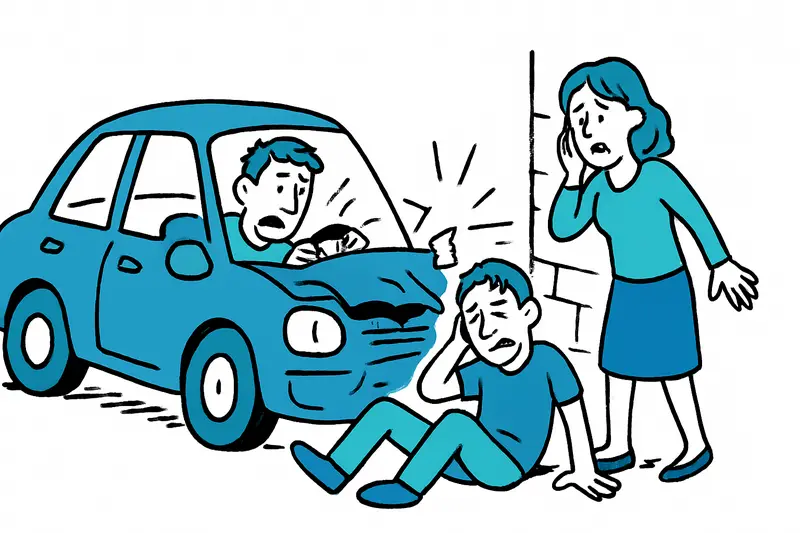
Serious Crash Between Santa Maria and Muro: What Matters on Mallorca’s Country Roads
Three 19-year-olds were injured when a car hit a wall, two of them seriously. The crash raises a bigger question: How sa...
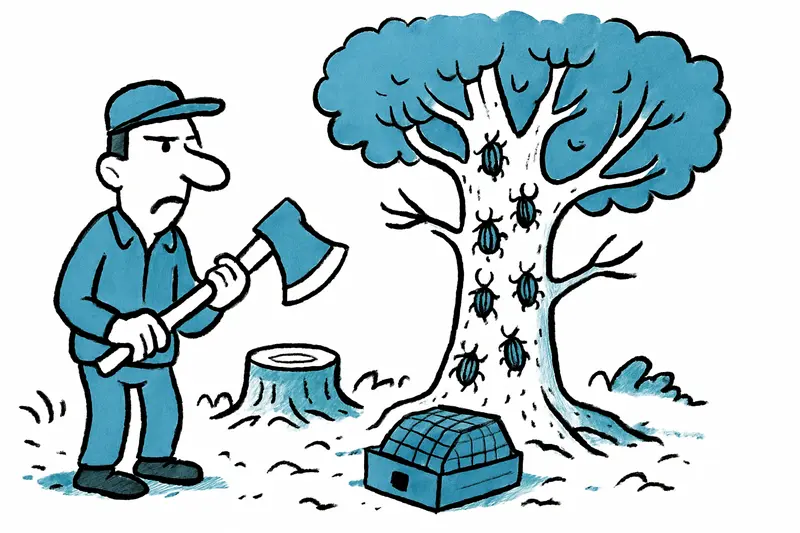
Ses Païsses: What the Beetle Infestation Reveals About Oak Care in Mallorca
Holm oaks around the Talayotic site of Ses Païsses are infested with the Banyarriquer beetle. Tree felling and traps are...
More to explore
Discover more interesting content

Can Cap de Bou

Townhouse Lleo 72
