
Ses Païsses: What the Beetle Infestation Reveals About Oak Care in Mallorca
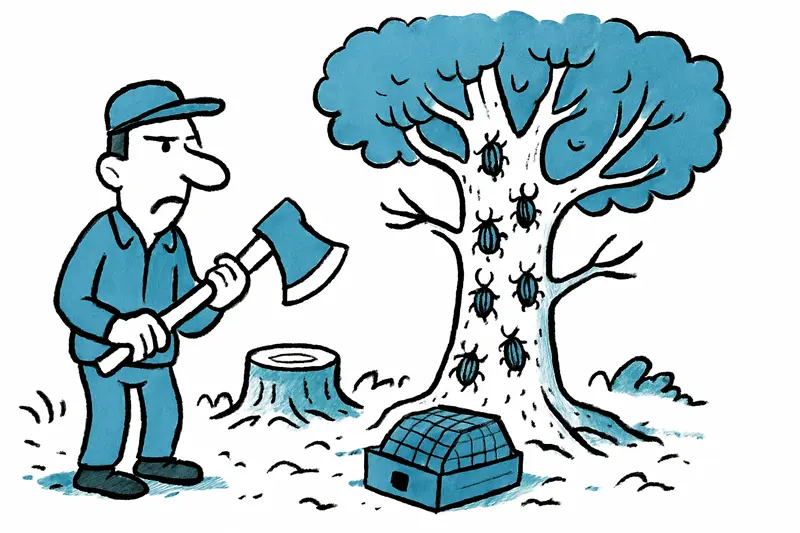
Holm oaks around the Talayotic site of Ses Païsses are infested with the Banyarriquer beetle. Tree felling and traps are intended to help—but important questions about their effectiveness remain unanswered.
Ses Païsses: What the Beetle Infestation Reveals About Oak Care in Mallorca
How can an old stand of oaks be protected without removing more trees than necessary? This is the question facing the area around Ses Païsses near Artà. The Banyarriquer beetle has appeared there; its larvae bore tunnels into the wood of holm oaks. The infestation is rated three on a scale of one to five—a serious presence causing significant damage to the trees.
According to the information available, the responsible forestry authority has already ordered measures: damaged trees are being felled selectively under expert supervision. The timber is to be treated in accordance with the criteria set by specialists on site. Traps are intended to catch adult beetles. An archaeologist from the site is also involved in selecting the trees, so that the work takes the area's cultural and historical features into account. An information board is planned for visitors.
An intervention that needs explaining
Felling trees in an oak stand may seem contradictory at first: the aim is to protect the trees, yet individual trees are being removed. When an infestation is inside the wood, targeted intervention can be part of containing it. But it is essential that the trees are selected with care and that it remains clear why each trunk is being removed. This is especially important at a place where nature and archaeological heritage sit side by side.
Ses Païsses is no ordinary woodland path. Among the ancient stones and the oaks, the landscape is part of the visitor experience. On a cooler day, as you walk over dry leaves, you often hear them crackle beneath your shoes before noticing just how closely the trees grow together. If a tree falls there, it is not just a piece of wood that disappears. The shade, sightlines and character of that small stretch of path also change. That does not make the decision wrong—but it does mean it needs explaining.
Public attention easily turns to the beetle: how many are there, and how extensive is the damage? Less visible are the details of exactly which trees are affected, how the infestation is changing over time and how authorities will later assess whether the work has helped. The number of beetles caught is not, by itself, a direct measure of the population. Catch rates depend, among other things, on where traps are placed and how long they remain in place. Without information on locations, time periods and comparison figures, a high number alone cannot show a trend in the effectiveness of the measures.
What the figures tell us—and what they don't
For the 2026 campaign, the regional government's annual report from the health service records 11,121 beetles caught and 8,254 traps set up in total. These are campaign figures, not necessarily a count of beetles around Ses Païsses. They show that extensive trapping took place across the island. On their own, however, they do not tell us whether the infestation at a particular site is declining or whether the trees there are becoming more vigorous again.
This is exactly where the next update should focus. A clear account of the work would be helpful: the number and condition of trees removed, the selection criteria, trap locations and regular follow-up checks. It should also be made clear where the data have limitations. This is not paperwork for specialists alone. Visitors are more likely to accept the removal of individual oaks if they understand the reasons and later learn what has changed.
It is equally important not to present the measures as a one-off solution. Traps can catch adult beetles; the larvae are inside the wood. The infestation therefore needs to be monitored over a longer period. Experts should check whether more trees are showing signs of damage, whether the chosen measures are working and whether adjustments are needed. At an archaeological site, this work must remain coordinated with the protection of the grounds—not just when a problem arises.
More monitoring, less alarm
For walkers, the advice is simple: do not treat the work as an invitation to touch the wood or beetles, or to move the traps. The planned information board could briefly explain what is happening on site, why trees are being removed and whom visitors can contact with questions. A small map or brief before-and-after account would be more useful than a general notice about “pest control.”
The language used also matters. “Countless harmful beetles” sounds like an invasion but says little about the actual risk. What is known is that Ses Païsses has a serious infestation, the holm oaks show considerable damage and targeted interventions have begun. What remains unknown is how large the affected area is and how the situation will develop. That gap should be addressed through repeated monitoring, not filled with dramatic imagery.
The Banyarriquer does not turn Ses Païsses into a disaster site. It highlights how vulnerable old stands of trees can be—and how demanding their care becomes when nature, visitor access and archaeological protection converge. Felling may be necessary. But trust will only come when the choices and their effects can be assessed. Ultimately, what matters is not how many traps have been set, but whether the oaks are in better condition in the years to come.
Frequently asked questions
What damage does the Banyarriquer beetle cause to holm oaks in Mallorca?
Why are some trees being felled at Ses Païsses near Artà?
What should visitors do around beetle traps at Ses Païsses?
Does a high beetle trap count mean Mallorca’s oak infestation is getting worse?
Can traps catch Banyarriquer beetle larvae in Mallorca’s oak trees?
What does a level-three Banyarriquer infestation mean at Ses Païsses?
How can experts tell whether beetle-control measures are working in Mallorca?
How is archaeological heritage protected during tree work at Ses Païsses?
Similar News
Serious Crash Between Santa Maria and Muro: What Matters on Mallorca’s Country Roads
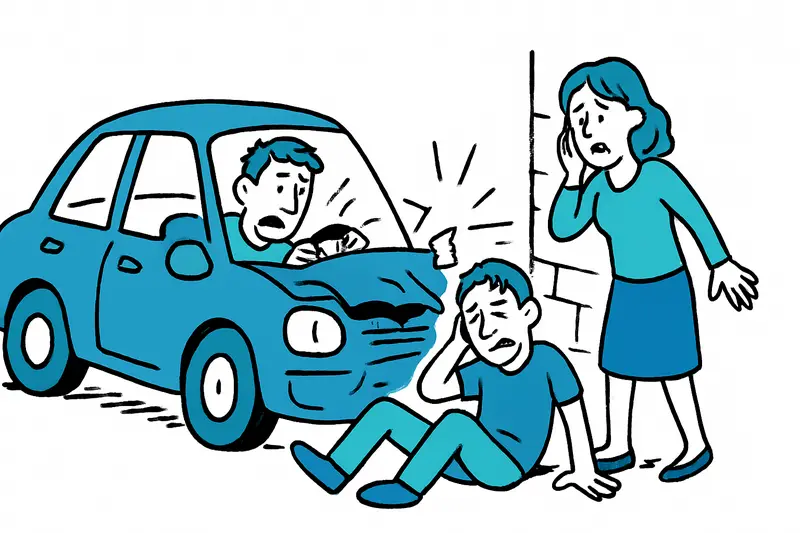
Three 19-year-olds were injured when a car hit a wall, two of them seriously. The crash raises a bigger question: How sa...

Fitness with a DJ in Son Castelló: Does Music Really Improve Your Workout?
A fitness class with a DJ brings a club atmosphere to your workout. But in Palma, the beat isn’t everything: accessibili...
Batteries in the Countryside: Mallorca’s Energy Transition Needs Clear Limits
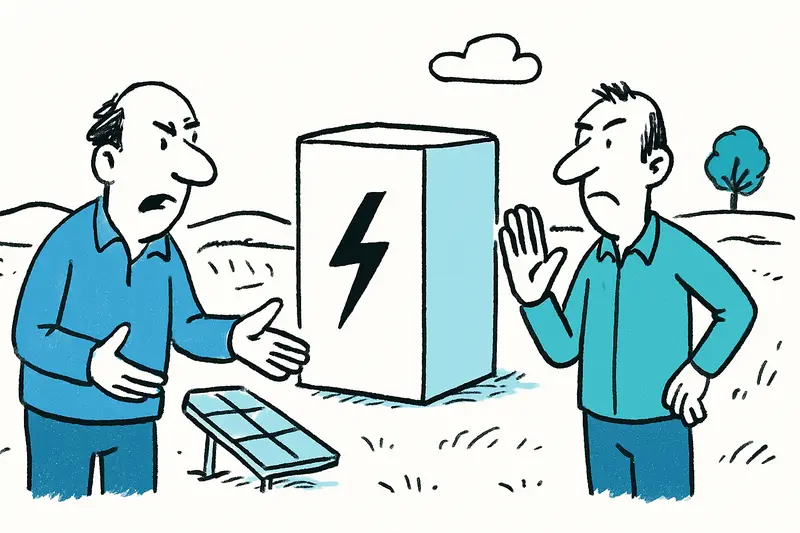
Battery storage can make solar power available long after the sun has set. But farmland is scarce in Mallorca. The debat...

Gospel Evening in El Arenal Combines Music with Support for Older People
The Palma Gospel Singers will give a benefit concert at the Porciúncula Church on November 28. Proceeds will go to herzt...
Magaluf’s Quiet Wetland: Nature Needs More Than a Pretty Picture
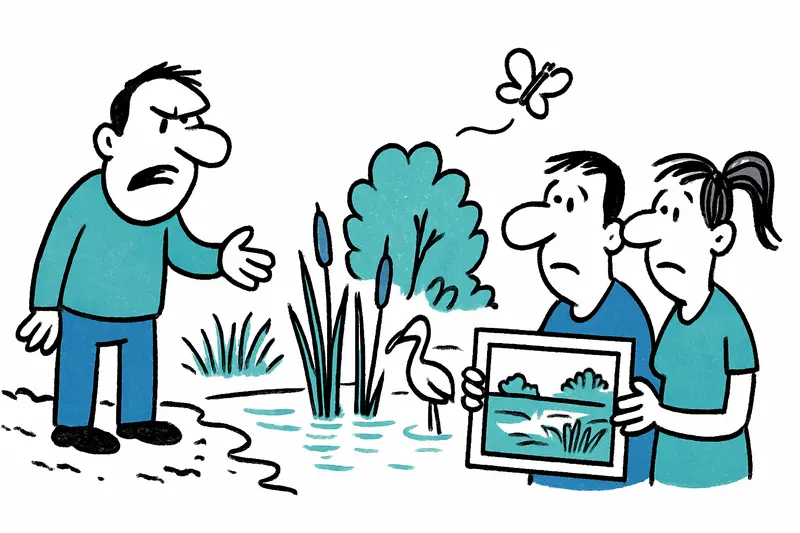
A wetland beside a well-known holiday resort is an asset—but not proof of effective conservation. What matters is ongoin...
More to explore
Discover more interesting content

Can Cap de Bou

Townhouse Lleo 72
