
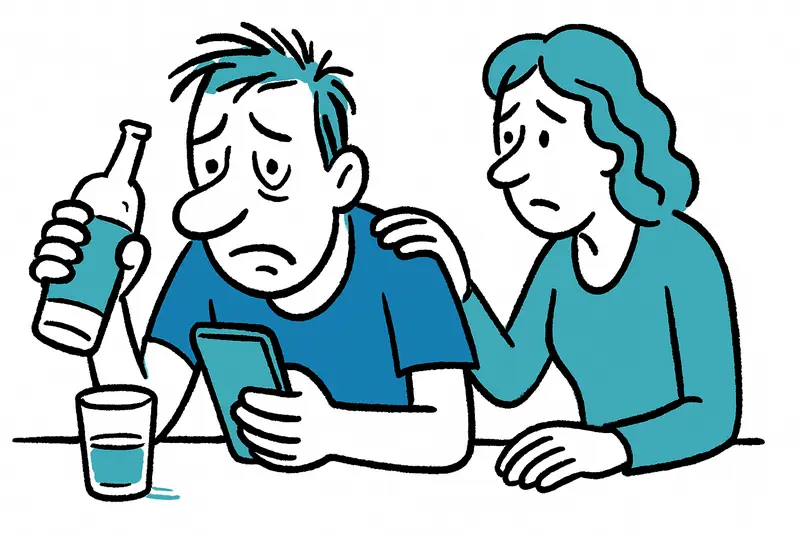
Addiction in Mallorca: When a Habit Becomes a Serious Problem
Not every evening with alcohol or every long stretch of screen time means addiction. What matters is whether control, health and daily life are suffering—and how people can find support when they are.
When daily life feels more restricted: Recognizing addiction without rushing to judgment
When does regular drinking, using cannabis, gambling or scrolling become more than a habit? No single observation can answer that. The more important question is whether someone is increasingly losing control, continuing despite noticeable harm, and seeing other parts of life suffer as a result. In Mallorca, as everywhere, this can affect people in very different circumstances—young people, working adults, parents and older people.
The subject is quickly clouded by shame. For many, a glass of wine after work at a bar in Palma is part of the evening; at the bus station, almost everyone looks at their phone. These everyday scenes do not, by themselves, indicate addiction. It becomes a problem when “I need this today” turns into a pattern that is increasingly difficult to break.
No checklist can replace a conversation
Warning signs are changes that become more frequent: consuming more or more often than intended, repeatedly trying and failing to stop, or keeping the behavior secret. Some people withdraw and neglect work, school or relationships. Others manage to keep everything together on the surface for a long time, only showing signs of strain when money problems, conflict or health consequences emerge.
With gambling and digital use, losing track of time and control can also be a warning sign. The key is not how many hours someone spends in front of a screen, but what they are losing as a result: sleep, social plans, responsibilities or the sense that they can still make their own choices. Even a single sign proves nothing. Withdrawal or poor performance can have many causes; making a diagnosis from a distance within the family rarely helps.
Young people need particular patience. Accusations such as “You’re addicted” are more likely to shut the door. It is better to ask a specific, non-judgmental question: “I’ve noticed that you’re hardly sleeping and keep canceling plans. What’s going on?” Then listen instead of immediately prescribing a solution. It sounds simple. In a real conversation, it is often the hardest part.
The first step can be a small one
Anyone worried about themselves does not need to prove anything or hit rock bottom first. An appointment with a family doctor or at a local health center can be a starting point. They can discuss what kind of professional advice or treatment might be appropriate. Depending on the situation, options may include psychological support, specialized addiction services or more intensive treatment. Check directly with local providers to find out what services are available.
It may help to write down a few observations before the appointment: what happens, how often, what the consequences are and what has already been tried. This is not a test or a self-assessment, but a reminder if the conversation feels difficult. In an immediate emergency—such as loss of consciousness or an acute medical crisis—call 112 in Spain.
Family members can offer support without taking responsibility for every decision. A calm moment is usually better than an argument after someone has been using. Practical help might mean looking for an appointment together or offering to go along. At the same time, family members are allowed to set boundaries: they do not have to keep covering financial problems or tolerate hurtful behavior. They can also seek medical or psychosocial advice for themselves.
What often gets overlooked in the debate
Public discussion often focuses on particular substances, bans or high-profile cases. The path in between receives less attention: How can a family access advice in time? How can support be organized before school, work or a relationship falls apart? And how can people be encouraged to seek help before they are almost out of strength, rather than waiting out of fear of being labeled “addicts”?
Prevention is not just a poster, nor is it solely the responsibility of parents. Young people need reliable adults, clear rules and accessible services. Adults need conversations without shame and care that does not begin only after a crisis has escalated. People seeking help should not be dismissed with moral judgments. At the same time, no one should pretend that a good conversation alone can resolve a serious addiction.
Fewer labels, more accessible support
On an island where news and gossip can travel quickly, fear of other people’s judgment can weigh especially heavily. That makes confidentiality—and a manageable first step—all the more important. Not every concern means addiction. But when control and everyday life are persistently disrupted, there is no obligation to keep waiting.
The clear-headed approach is this: do not reduce a person to their behavior, but do not minimize the behavior either. Getting help does not require a perfect admission. Sometimes it begins with a sentence in the doctor’s office: “I don’t think I can get out of this on my own anymore.”
Frequently asked questions
What are the warning signs of addiction in Mallorca?
Where can someone in Mallorca start if they need help with addiction?
How do I talk to someone in Mallorca about a possible addiction?
How can relatives support someone with addiction without taking over?
When does phone use or gambling become a problem in Mallorca?
What signs of addiction should parents look for in teenagers in Mallorca?
Can I ask for addiction advice confidentially in Mallorca?
What should I do in an addiction-related medical emergency in Mallorca?
Similar News
Fall on the Llucmajor Coast: When a Hiking Trail Becomes a Rescue Zone
A German hiker falls on the rocky coast of Llucmajor and is unable to walk. The rescue highlights why knowing your locat...
Five Months After the Pool Accident: What Max’s Return to Mallorca Shows
A dive into a very shallow hotel pool left a young holidaymaker with a severe cervical spine injury. His progress is enc...
Palma: A Couple Lived in a High-Voltage Substation – What the Case Reveals
Police found two people in a substation on Gabriel Alzamora Street. The dangerous location is one problem; the question ...
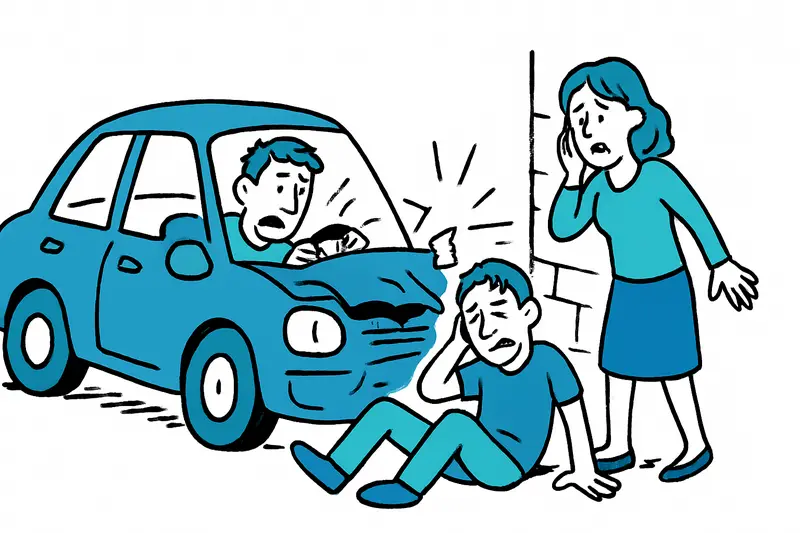
Serious Crash Between Santa Maria and Muro: What Matters on Mallorca’s Country Roads
Three 19-year-olds were injured when a car hit a wall, two of them seriously. The crash raises a bigger question: How sa...
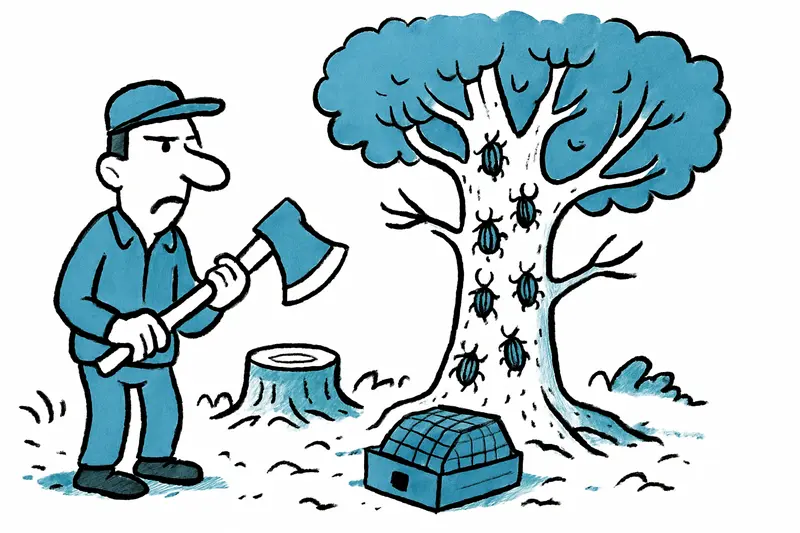
Ses Païsses: What the Beetle Infestation Reveals About Oak Care in Mallorca
Holm oaks around the Talayotic site of Ses Païsses are infested with the Banyarriquer beetle. Tree felling and traps are...
More to explore
Discover more interesting content

Can Cap de Bou

Townhouse Lleo 72
