
Drugs at the wheel in Cala Ratjada: One crash, many questions
A rear-end collision on Passeig del Port ends in an arrest: cannabis involved. Is this an isolated incident — or does Cala Ratjada need more control and prevention?
Drugs at the wheel in Cala Ratjada: One crash, many questions
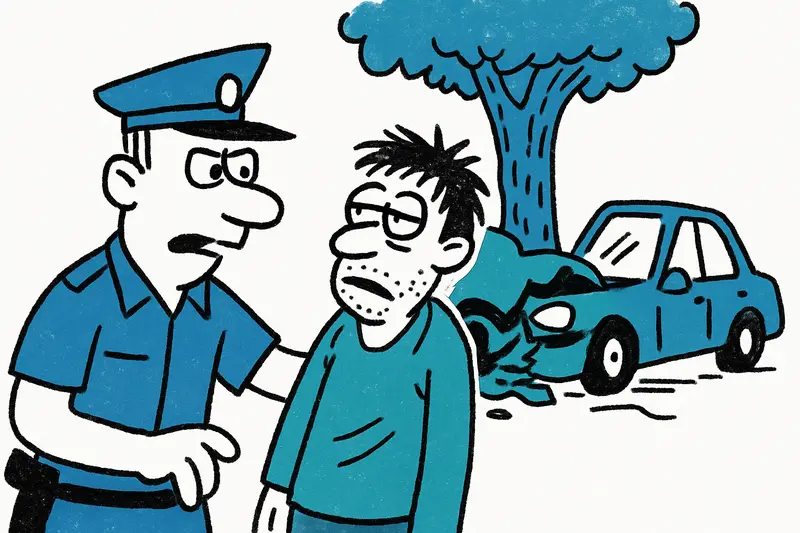
Yesterday around 6:45 p.m. a quiet side street on the Passeig del Port briefly turned into a scene: one car rear-ended another, and the struck vehicle was thrown against a tree. The sound of shattering glass, distant waves and the ambulance siren mixed with the evening scent of coffee and fresh bread from the bakery. Local coverage included Drogas al volante en Cala Ratjada: un accidente, muchas preguntas.
The driver of the struck car, a young woman, was taken to hospital with neck complaints and released after a short treatment. The suspected perpetrator, a 38-year-old man, was stopped and arrested at the scene after a drug test came back positive for cannabis, as detailed in Accidente en Cala Rajada: conductor detenido por conducir bajo la influencia de drogas. The Guardia Civil and the Policía Local are securing evidence, taking witness statements and reviewing nearby camera footage.
The key question: Are checks enough — or aren't they?
Such evenings raise a simple but pressing question: Is the current police presence in places like Cala Ratjada sufficient to prevent drugged driving? Residents often say that especially in high season the streets are fuller, noise and speed increase, and with them the risk. A woman from the café opposite described the crash car like this: “He was driving as if he were fleeing.” Statements like these will now be examined by the investigators.
Roadside tests are important, but they have limits. Saliva and urine tests show consumption, but not always acute driving impairment. Blood samples are more conclusive, but they take time. Official guidance from the Dirección General de Tráfico website explains testing protocols. The tension between rapid police work and legally secure evidence collection remains a problem — and is often only touched on in public debate.
What is missing from the discussion
There are several aspects that rarely come into the spotlight: the influence of tourism and seasonal work on the nighttime party scene, possible language barriers during checks, and how well bars and event organizers are informed about the risks. Infrastructure also plays a role: narrow side streets, pedestrian zones without sufficient traffic calming and a lack of permanent speed cameras make it easier for speeders in places like Cala Ratjada.
Moreover: checks are reactive. Prevention requires more — clear education, night buses and taxi alternatives, visible police presence at peak times, and cooperation with hospitality businesses and landlords so that better decisions are made before a possible drive.
Concrete opportunities and proposals
From conversations with residents and observations on site, a few pragmatic approaches can be derived:
1. More targeted checks in the evening hours
Not just sporadic spot checks, but scheduled shifts of the Policía Local together with the Guardia Civil during peak tourist times.
2. Mobile testing teams and rapid blood sampling
Mobile laboratory capacities or clearly regulated procedures for prompt blood collection would strengthen the evidence and shorten proceedings.
3. On-site prevention work
Cooperation with bars, clubs and holiday rental hosts: information materials, visible notices at counters and simple measures like taxi discount vouchers could help prevent risky driving.
4. Infrastructure & speed control
Additional speed measures on main routes, more pedestrian crossings and well-lit streets at night reduce dangers, especially where pedestrians and holidaymakers are on the move.
5. Community alert system
A local reporting system (online or via hotline) for suspicious driving could inform the police more quickly; neighbors and shopkeepers are often the first witnesses. For further neighborhood accounts see Crash in Cala Rajada: Suspected Drug Use After Rear-End Collision – What Remains for the Neighborhood?.
The procedure and looking ahead
A criminal investigation has been opened against the 38-year-old. Whether there will be an indictment is up to the public prosecutor once all toxicology results are available. Until then questions remain — not only legal but societal: How do we as a community want to deal with alcohol- and drug-related driving impairment?
For the people of Cala Ratjada the evening leaves an uneasy feeling that more should happen before something worse occurs. The lampposts cast long shadows over the cobblestones, groups chatting in front of the café discuss quietly, and somewhere one hears the muffled calls of the seagulls. The police ask possible witnesses who have not yet spoken to come forward. Maybe that is the beginning: exchange, reflection and finally concrete measures so that the next evening remains calmer.
If you saw something: contact Policía Local Cala Ratjada or the Guardia Civil official website — every observation counts.
Frequently asked questions
What should I do if I witness a suspected drugged driving incident in Mallorca?
Can police in Mallorca test a driver for drugs after a crash?
How reliable are roadside drug tests for drivers in Spain?
Why are night-time traffic checks important in places like Cala Ratjada?
What happens after a suspected drugged driving arrest in Mallorca?
Is Cala Ratjada difficult for pedestrians at night?
What can Mallorca towns do to prevent drugged driving?
Who should I contact in Cala Ratjada if I have information about a traffic crash?
Similar News

Up to €9,000 Fine in Inca: Why Wet Wipes Can Blow Up the Sewers — and What We Should Really Do
The municipality of Inca warns of blockages caused by wet wipes — fines of €300 to €9,000 are possible. A reality check:...

World Cup Trophy in Palma: Two Days Up Close
The World Cup trophy is coming to Palma at the end of October: two days on display at City Hall, and on 31 October photo...

End of October: Can you still swim in the sea in Mallorca?
The late-autumn sun still warms the air and the sea has retained its summer heat—many people don't pack away their swimw...
Years of abuse in Costa de la Calma – Neighbor calls Guardia Civil
In a villa in Costa de la Calma a neighbor alerted the Guardia Civil: a 19-year-old woman reported years of violence by ...

Schauinsland Takes Over Management of the Morito in Cala Millor – a Reality Check
From March 2027 the German tour operator Schauinsland will manage the Morito hotel in Cala Millor. The Batle Erikson fam...
More to explore
Discover more interesting content

Can Cap de Bou

Townhouse Lleo 72
